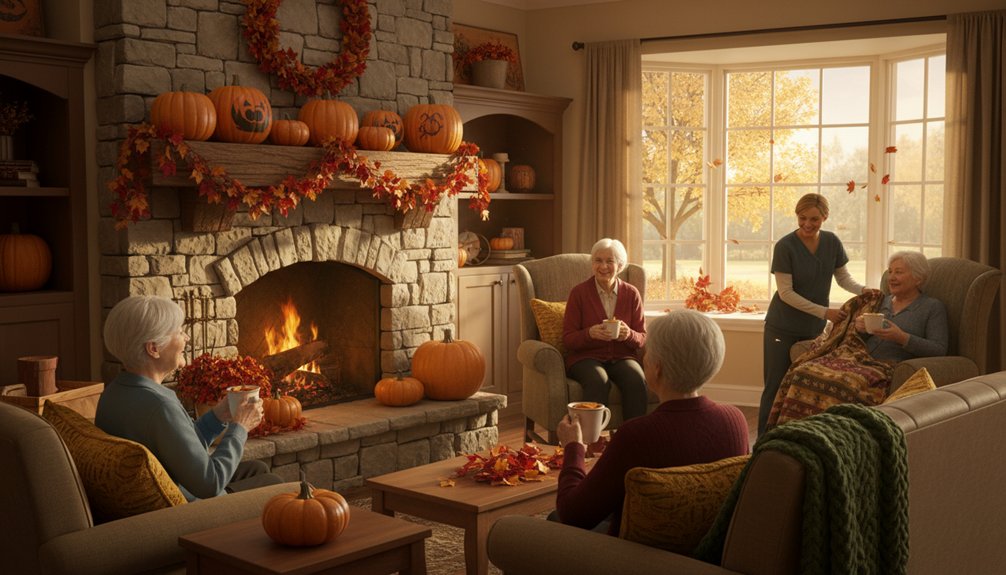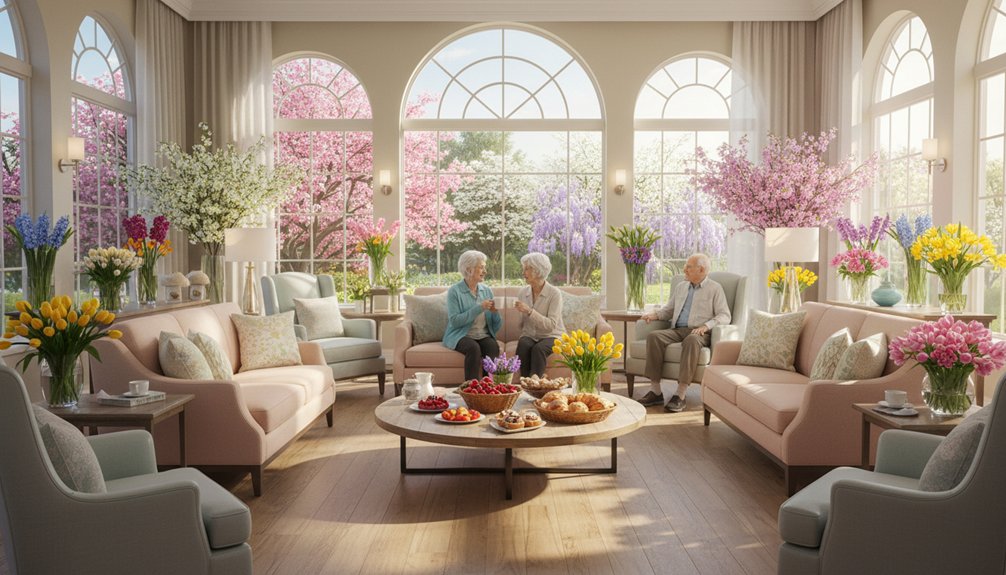
Assisted living fosters a vibrant community where seniors thrive socially, safely, and with personalized support. You’ll find facilities designed with safety in mind, featuring handrails and emergency response systems. Engaging programs connect residents with youth, boosting emotional well-being and reducing isolation. The tailored care guarantees individual needs are met, enhancing overall happiness. With a focus on building relationships and community connections, you’ll discover how these environments greatly improve seniors’ quality of life, revealing more benefits as you explore further.
Key Takeaways
- Assisted living facilities prioritize safety with features like grab bars, emergency response systems, and secure environments, ensuring residents feel protected.
- Tailored support services, including help with daily activities and medication management, cater to individual health needs, enhancing overall well-being.
- Social engagement programs foster connections between seniors and youth, promoting meaningful interactions that improve both populations’ emotional health.
- Regular community events encourage socialization, reducing feelings of isolation and boosting resident happiness and satisfaction.
- Strong relationships among residents significantly enhance emotional support, contributing to better mental health and reduced cognitive decline.
Understanding the Demographics of Assisted Living Residents
What do you know about the demographics of assisted living residents? You might find it interesting that the average resident is around 87 years old, with a minimum age typically set at 62 or 65.
A significant 70% of these residents are female, largely due to women living longer than men.
Racially, over 87% identify as White non-Hispanic, while BIPOC seniors make up less than 10%. This demographic diversity highlights the importance of personalized care plans to meet the unique needs of each resident.
Socioeconomically, 82% pay privately, leaving many lower-income seniors facing access barriers.
Health-wise, 42% of residents suffer from Alzheimer’s or dementia, highlighting the need for tailored support. Notably, seven out of ten individuals will require assisted living care in their lifetime, emphasizing the growing demand for these services.
Understanding these demographics helps you appreciate the diverse needs within assisted living, allowing you to serve residents more effectively and compassionately.
How Assisted Living Enhances Safety for Seniors
Assisted living facilities prioritize safety, guaranteeing seniors can enjoy their independence while minimizing risks. They feature handrails and grab bars for support, plus non-slip flooring to reduce slips.
Wide, well-lit hallways enhance visibility, and zero-step entryways eliminate tripping hazards. Regular safety checks are conducted to ensure that all areas remain hazard-free.
Emergency response systems, like pull cords and wearable fall detectors, provide quick assistance when needed. GPS-enabled pendants keep track of residents, while in-room call buttons are always within reach.
Security measures, including gated entrances and surveillance cameras, protect against unauthorized access. Regular staff training and safety audits maintain a secure environment, contributing to the 99% of residents who feel safe in their communities. Additionally, proper training of staff ensures that they can effectively respond to emergencies and assist residents appropriately.
With these thorough strategies, assisted living truly enhances safety for seniors, allowing them to thrive.
Key Support Services in Assisted Living
Living in an assisted facility not only enhances safety but also provides essential support services tailored to seniors’ needs. Many residents require help with daily activities, like bathing, dressing, and walking. Nearly half of the residents need assistance with mobility, while a significant number require support for toileting and transferring. For those facing cognitive challenges, memory care services play an important role, with designated units available in some facilities. Additionally, these facilities prioritize personalized care plans that cater to individual needs, ensuring that each resident receives the support necessary for their unique circumstances. Health condition management is also critical, addressing issues like heart disease and diabetes. Additionally, medication and pharmacy support guarantees that residents receive their medications on time. With over 800,000 residents, these facilities foster social connections, enhancing quality of life through community engagement and support, contributing to the overall occupancy rate of 83.2%.
Comparing Costs of Assisted Living Options
When considering assisted living options, it’s crucial to understand the costs involved, as they can vary considerably based on several factors. The median monthly cost stands at $6,313, translating to about $75,756 annually, though estimates range from $5,419 to $6,690 for memory care. Location plays a major role; for instance, states like Mississippi offer lower rates around $4,715, while Hawaii’s costs soar to $12,000 monthly. In-home care averages $6,483, surpassing assisted living. This significant cost difference positions assisted living as a balanced option between independent living and nursing homes. By understanding these costs, you can make informed decisions that best support your loved ones in their journey toward comfort and care. Additionally, inquire about hidden fees that may affect overall financial commitments.
Celebrating Intergenerational Connections in Communities
Intergenerational connections enrich communities by fostering relationships between youth and older adults, bridging gaps that often separate these age groups.
Programs across 30 states have successfully connected over 25,000 youth with older adults, showing participation rates of 78.2% for youth and 57.3% for seniors. These shared sites often combine adult day services with early childhood programs, creating meaningful interactions. Engaging in activities together improves academic performance for youth and enhances the well-being of older adults. With 89.2% of sites serving vulnerable populations, these programs are essential for fostering understanding and compassion among generations, as they promote learning opportunities that benefit both age groups. Additionally, shared meals and activities provide a natural setting for these connections to flourish, enhancing the overall experience in assisted living communities.
Emerging Trends Shaping the Future of Assisted Living
The landscape of assisted living is rapidly evolving, driven by innovative trends that prioritize resident needs and enhance care quality. As occupancy rates climb and demand persists, facilities are integrating AI-driven tools to streamline caregiver workflows and enhance safety. Privacy by default is becoming increasingly important, ensuring that technology respects residents’ dignity while providing necessary support. You’ll see platforms that unify care across independent living and memory care, simplifying operations while adapting to resident needs. Personalized care plans are also gaining traction, with tailored fitness and nutrition plans reflecting individual preferences.
Additionally, telehealth services are becoming more accessible, ensuring timely medical support. These trends not only improve the quality of life for seniors but also foster an environment where they feel safe, engaged, and empowered. The future of assisted living truly focuses on personalized, compassionate care.
The Importance of Social Connections for Resident Well-Being
While many factors contribute to well-being in assisted living, social connections stand out as essential. Strong family ties, which make up 84% of residents’ closest relationships, play a crucial role in emotional support. Engaging with coresidents helps too, as new friendships can ease adaptation and enhance overall happiness. Regular community events promote these connections, fostering a sense of belonging. Weak ties with coresidents and nonfamily members can also enhance residents’ well-being, emphasizing the need for diverse social networks. Additionally, engaging in group activities encourages collaboration and strengthens the bonds among residents.
Socializing not only combats feelings of isolation but also greatly reduces depression and boosts mental health. The benefits are profound—strong social ties can increase survival likelihood by 50% and decrease cognitive decline by up to 70%.
Frequently Asked Questions
What Types of Activities Foster Social Engagement in Assisted Living?
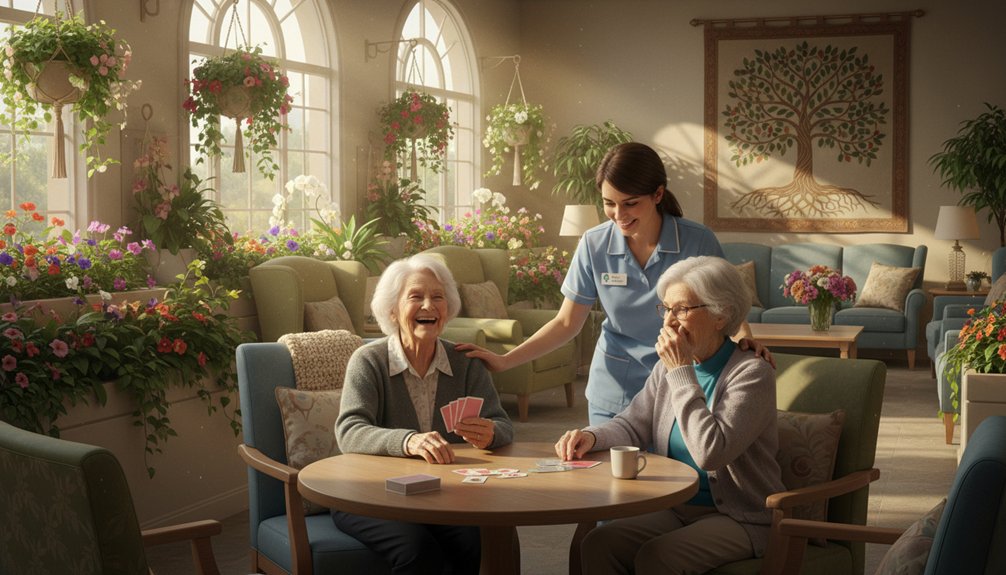
Game nights, arts and crafts, and educational programs foster social engagement in assisted living. You’ll enjoy laughter and connection with others, creating bonds that enrich daily life and combat feelings of loneliness.
How Are Staff Trained to Support Residents With Dementia?
Staff are trained through workshops and individualized sessions, focusing on effective communication, behavior management, and understanding dementia types. This hands-on training boosts confidence, enhances resident care, and fosters a supportive environment for everyone involved.
What Amenities Are Typically Available in Assisted Living Facilities?
Assisted living facilities typically offer amenities like chef-prepared meals, social activities, fitness programs, and housekeeping services. You’ll find supportive staff, communal dining, and engaging recreational options, ensuring a vibrant and comfortable environment for residents.
How Do Assisted Living Communities Promote Wellness Programs?
Assisted living communities promote wellness programs by offering personalized plans that include mindfulness, creative arts, and social engagement. They prioritize mental fitness, ensuring you feel supported, connected, and engaged in a vibrant community.
What Are the Visitation Policies for Family and Friends?
Visitation policies allow you to visit loved ones freely, with consent, and without vaccine requirements. Essential caregivers enjoy extended access, while compassionate visits support residents in distress, ensuring meaningful connections are maintained during their stay.
 By start