Trivia, puzzles, and storytelling are fun ways to support your mind while boosting cognitive abilities. Engaging in these activities sharpens your processing speed, enhances memory, and improves decision-making skills. They also help you connect with others, reducing stress and promoting emotional well-being. Whether you tackle a crossword, enjoy a jigsaw, or share a story, these playful exercises nurture your brain health. Keep exploring, and you’ll discover even more insights and strategies to enrich your mental fitness.
Key Takeaways
- Engaging in trivia and puzzles sharpens cognitive skills, enhancing processing speed and decision-making confidence.
- Storytelling combined with puzzles can stimulate creativity and improve memory retention.
- Socializing through trivia games promotes emotional well-being and strengthens mental health.
- Incorporating puzzles into daily routines boosts focus, clarity, and overall brain function.
- Diverse puzzle types, including word and logic games, keep the mind actively engaged and challenged.
Unlock Cognitive Benefits: How Trivia and Puzzles Enhance Your Brain
How can trivia and puzzles boost your brainpower? Engaging in these mental challenges sharpens your processing speed and strengthens neural pathways. As you retrieve information and make connections, you’re not just having fun; you’re enhancing your mental agility, which helps you stay confident in daily decisions. Additionally, just like music and movement therapy, these activities promote healing and well-being.
Plus, the focus and concentration developed through these activities can enrich your daily interactions, keeping you present and engaged. Playing trivia also promotes emotional well-being by releasing dopamine, making you feel accomplished and boosting your mood. Additionally, regular participation in trivia games can lead to increased brain health, benefiting your overall cognitive function.
In social settings, it fosters bonds and reduces feelings of isolation, creating meaningful connections. By participating regularly, you’re not only improving your cognitive health but also enriching your social life and overall quality of life.
How Trivia and Puzzles Improve Memory and Cognitive Skills?
Engaging in trivia and puzzles doesn’t just entertain; it sharpens your memory and cognitive skills. Regularly tackling crossword puzzles can make you feel up to a decade younger regarding reasoning and memory.
Jigsaw puzzles engage multiple cognitive abilities, enhancing your spatial awareness and problem-solving skills. Short, lightly challenging puzzles boost your focus and help you regain clarity when you feel stuck. Additionally, regular engagement in puzzles correlates with improved brain function in adults over 50. Engaging in community activities enhances social connections, further stimulating cognitive health.
These activities foster creativity and encourage stepping back for fresh insights. Plus, the skills you develop transfer to daily tasks, making your mind more agile.
Embrace these fun brain workouts, and you’re not just enhancing your own abilities; you’re also better equipped to serve others with newfound clarity and insight.
How Socializing Boosts Your Mental Health?
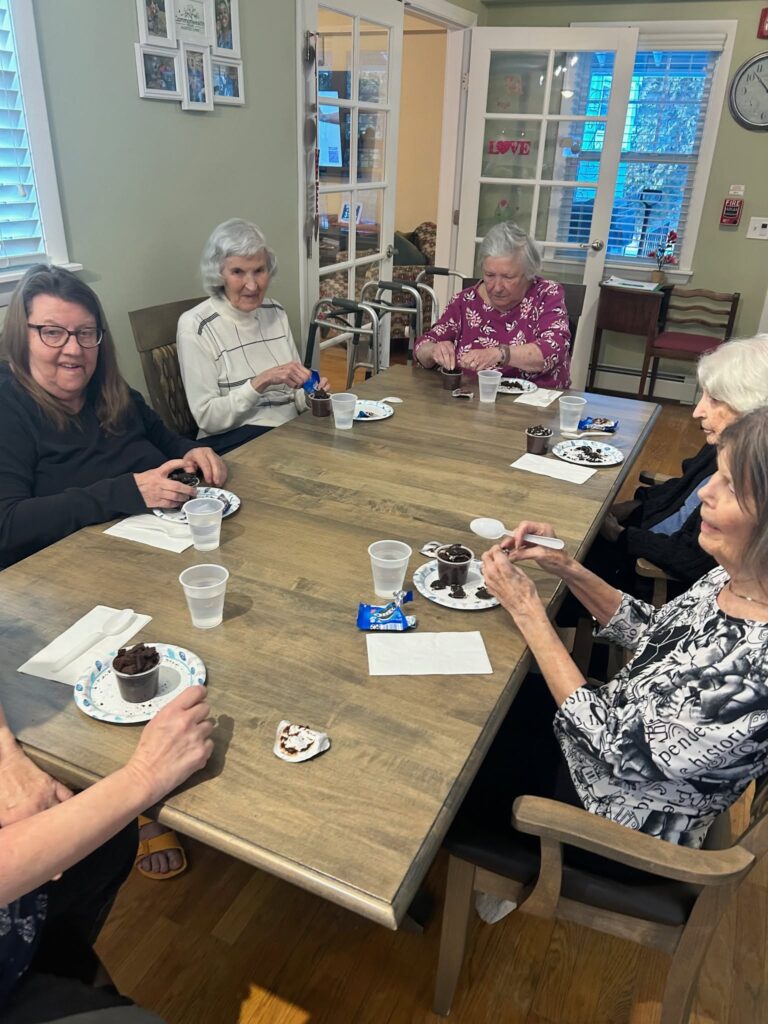
When you connect with others, you not only enhance your sense of belonging but also greatly boost your mental health. Engaging in social activities reduces stress more effectively than going solo, lowering cortisol levels and fostering relaxation. Additionally, participation in shared activities at assisted living facilities encourages deeper connections, fostering a sense of community.
Close relationships improve your self-worth and help combat depressive symptoms. Plus, supportive networks provide emotional backing, allowing you to process stress more easily. Research indicates that social connections may also improve cognitive performance, further enhancing your overall well-being.
Scientific studies show that socializing enhances cognitive functions, improving memory and reducing the risk of cognitive decline. Ultimately, a vibrant social life leads to greater life satisfaction and even longevity.
Practical Tips for Adding Trivia and Puzzles to Your Daily Routine
Connecting with others is just one way to enhance your mental well-being; incorporating trivia and puzzles into your daily routine can also give your brain a boost.
Start your day with quick quizzes to jump-start your mind and improve your mood. Dedicate 5-10 minutes during work breaks for mini-quizzes, replacing passive scrolling with active learning. Learning breaks help rejuvenate your mind and enhance knowledge retention, making these moments even more valuable. Engaging in activities like trivia can also stimulate the brain by enhancing focus and recall.
Transform your commute into a productive session with trivia apps or pocket-sized quizzes. In the afternoon, tackle timed trivia challenges to combat energy slumps.
Finally, turn mealtime into a fun learning experience with culinary trivia, or host family quiz nights. These practices not only stimulate your mind but also create opportunities for connection and collaboration.
Types of Puzzles and Games for Everyone
**
Puzzles and games come in a variety of forms, ensuring there’s something for everyone to enjoy. Word puzzles like crosswords and word searches stimulate language skills, while logic puzzles such as Sudoku and Akari enhance critical thinking. Additionally, engaging in various types of puzzles can improve problem-solving abilities and boost memory retention.
If you’re looking for hands-on fun, jigsaw and geometric puzzles challenge spatial reasoning. Number-based puzzles cater to those who enjoy math, offering everything from simple arithmetic to complex sequences. Regular engagement in these activities can also support cognitive health and social connections. Hybrid formats, including daily puzzles with engaging visuals or storytelling elements, keep the experience fresh and exciting. By introducing these diverse puzzles and games, you can create enjoyable moments for yourself and those around you, all while supporting cognitive health and social connections.
Frequently Asked Questions
How Often Should I Play Trivia or Puzzles for Maximum Benefits?
You should play trivia or puzzles daily for 5-15 minutes. This regular practice boosts your memory, sharpens your focus, and enhances problem-solving skills. Short sessions make it enjoyable and effective for your cognitive health.
Are There Specific Puzzles That Work Better for Age-Related Decline?
Crossword puzzles work better for age-related decline, especially in later stages of mild cognitive impairment. They enhance memory, improve daily functioning, and reduce brain shrinkage, making them a valuable tool for supporting cognitive health.
Can Trivia Games Improve Language Skills in Children?
Yes, trivia games can boost children’s language skills. They encourage vocabulary expansion, critical thinking, and effective communication. Engaging in fun, interactive sessions helps kids articulate thoughts clearly and build confidence in their language abilities.
What Types of Trivia Are Best for Team-Building Activities?
For team-building activities, focus on pop culture and general knowledge trivia. It engages diverse interests, sparks conversation, and fosters collaboration, creating an enjoyable atmosphere where everyone can contribute and feel valued.
How Can I Track My Cognitive Improvement From Puzzles?
You can track your cognitive improvement from puzzles by regularly noting your performance on specific tasks, using apps for compliance monitoring, and comparing your pretest and posttest results to see measurable gains over time.
 By start