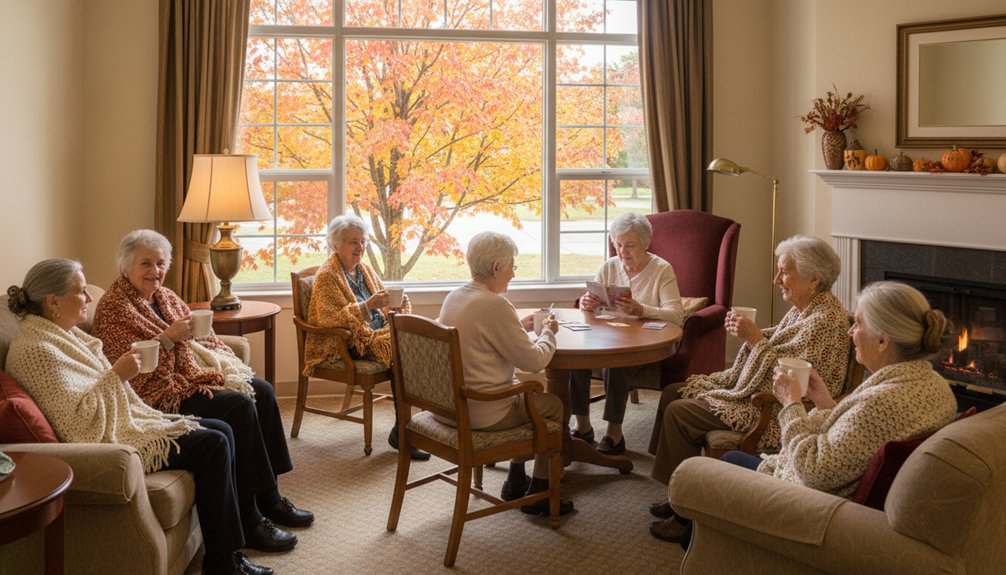
When exploring a smaller senior living community, you may find that the transition between seasons is more manageable for your loved ones. These communities often provide a familiar and supportive environment that can ease the changes associated with fluctuating weather and routines.
With personalized care and close relationships with caregivers, residents may experience a smoother adaptation to seasonal shifts. Here are some specific benefits you might find in such an intimate setting:
- Familiar Surroundings: A smaller community can create a sense of familiarity, which is comforting for older adults as they adjust to new seasonal experiences.
- Personalized Support: Caregivers often develop closer relationships with residents, allowing for tailored care that meets individual needs during different times of the year.
- Routine Adaptability: Smaller settings may offer more flexibility in daily routines, making it easier for residents to adjust their activities in alignment with seasonal changes.
- Social Connections: The close-knit nature of a smaller community can foster stronger social bonds among residents, which can be particularly beneficial during seasonal transitions when feelings of isolation may increase.
When considering a senior living community, it’s important to inquire about the specific services and support they provide, as offerings can vary widely. Questions to consider include:
- What types of personalized care are available to help residents adjust to seasonal changes?
- How does the community encourage social interaction among residents?
- Are there activities specifically designed to engage residents during different seasons?
By understanding these factors, you can make a more informed decision about the best living situation for your loved one.
Key Takeaways
Smaller senior living communities often provide personalized care, which can simplify the adjustment of routines to meet the seasonal needs of residents. With consistent caregiver teams in these environments, caregivers develop a deeper understanding of each resident’s preferences and requirements, which can facilitate smoother transitions during seasonal changes.
Regular assessments of mobility aids and safety protocols are typically conducted to help prevent falls, ensuring that older adults remain active and safe as seasons shift. The home-like atmosphere in smaller communities fosters familiarity, which may reduce anxiety related to seasonal adjustments and promote a sense of well-being among residents.
Additionally, meal preparations tailored to the specific needs of residents can accommodate changes in appetite that may occur with different seasons. This attention to dietary preferences can enhance nutritional support and overall satisfaction with meals.
When researching senior living options, consider asking about the community’s approach to personalized care, the consistency of caregiver teams, safety protocols, and how the dining experience is tailored to residents’ seasonal needs. These factors can significantly impact the comfort and quality of life for older adults in their care setting.
Creating a Familiar, Home-Like Environment
Creating a familiar, home-like environment is important for enhancing the well-being of residents in smaller senior living communities. Incorporating familiar interiors and personal belongings can significantly improve resident satisfaction. When you decorate with personal photographs, cherished artwork, and cozy quilts, it helps reinforce each resident’s identity and sense of continuity. In these intimate settings, shared kitchens and living rooms often resemble ordinary households, making seasonal gatherings feel truly special. Prioritizing privacy and autonomy allows residents to arrange their personal spaces, which fosters a sense of ownership. Moreover, the small house model emphasizes person-centered care, ensuring that residents’ preferences are actively solicited and prioritized. This approach aligns with the commitment to excellence exhibited by staff members who engage with residents as family.
Building meaningful relationships among residents and staff contributes to a supportive community. By focusing on familiarity, you create an atmosphere that comforts residents, helping them adjust during seasonal changes and enriching their daily lives. When researching senior living options, consider how a community addresses these aspects, as they can significantly impact the overall experience for residents.
Emphasizing Consistent Routines and Seasonal Adjustments
Establishing consistent routines and making seasonal adjustments can significantly enhance the well-being of residents in smaller senior living communities. Regular schedules for meals, activities, and rest help stabilize sleep patterns, which are crucial for overall health. Understanding the temporal nature of daily activity patterns can also guide these adjustments to better align with residents’ needs. Additionally, fostering personalized support through tailored care can further enhance the overall experience as seasons change.
As the seasons change, it may be beneficial to adjust outdoor activities to make the most of available daylight. This approach not only boosts mood but also supports cognitive function.
Here are some practical considerations to keep in mind:
- Gradual Introduction of Seasonal Changes: Implement seasonal adjustments slowly to help residents adapt without feeling overwhelmed.
- Brighter Indoor Lighting in Winter: Using brighter lights indoors during the winter months can help maintain energy levels and combat seasonal affective disorder.
- Indoor Activity Alternatives: When outdoor conditions aren’t suitable, consider offering engaging indoor activities to keep residents active and socially connected.
Offering More Personalized Staffing for Individual Needs
When exploring care options for loved ones in smaller senior living communities, one notable benefit is the opportunity for personalized staffing that addresses individual needs. Smaller household sizes enable caregivers to closely monitor residents, allowing them to identify changes in mobility, mood, and health early on.
With a consistent team assigned to each resident, caregivers develop an understanding of unique preferences, which helps ensure tailored support. Additionally, many communities employ universal caregivers, known as Shahbazim, who are trained to assist with a variety of needs. This can range from help with bathing to making seasonal adjustments for clothing. Such a personalized approach not only improves daily care but also fosters stronger connections between residents and caregivers. This connection can significantly enhance the overall health and well-being of older adults, especially during seasonal transitions. Caregivers’ Importance in providing emotional support and companionship further enriches the living experience for residents.
Research indicates that the Green House model is associated with reduced hospital readmissions and improved quality of care metrics, highlighting the effectiveness of personalized care in smaller settings.
When considering a senior living community, it’s important to inquire about the following aspects regarding care and staffing:
- Staffing Consistency: Ask how caregivers are assigned to residents and if they’ve the opportunity to build relationships with them.
- Caregiver Training: Inquire about the training and qualifications of the staff, especially those who’ll be providing direct care.
- Individual Care Plans: Understand how communities develop personalized care plans and how often they’re reviewed and updated.
- Universal Caregiving: Check if the community utilizes universal caregivers and how this model works in practice.
These considerations can help ensure that your loved one receives the attentive care they deserve in a supportive environment.
Fostering Social Connections During Weather Changes
As colder months approach or extreme heat sets in, maintaining social connections for older adults can become more challenging. Inclement weather often limits mobility, which may lead to increased feelings of loneliness.
In smaller, home-like settings, there are various ways to create opportunities for meaningful interactions. These may include:
- Shared Meals: Organizing group dining can foster camaraderie and provide a sense of community.
- Casual Conversations: Designating comfortable areas for residents to engage in conversation helps strengthen social ties.
- Indoor Activities: Offering a variety of engaging activities such as games, crafts, or group exercises can encourage participation and interaction. Seasonal changes significantly affect older adults and their kin networks, as they consciously alter their actions based on seasonal conditions. Additionally, social activities offered in assisted living can combat loneliness and promote well-being among residents.
Seasonal programming can also aid in maintaining social routines, ensuring that residents stay connected even when outdoor activities are restricted.
In addition, technology can play a key role in bridging the gap when in-person meetings aren’t feasible. Utilizing video calls or virtual group activities can help residents stay in touch with family and friends.
By prioritizing social engagement, senior living communities can promote a sense of belonging and resilience during seasonal changes, ultimately enhancing the well-being of older adults.
When researching care options, consider how different communities facilitate social interactions and what specific programs they offer to support residents’ social needs.
Ensuring Safer Seasonal Mobility for Residents
Ensuring safer mobility for residents during seasonal changes is important, as weather conditions can significantly affect their well-being. More than 1 in 4 older adults experience falls each year, making it essential to take proactive measures. Falls are the second leading cause of unintentional injury deaths worldwide, highlighting the need for diligent safety protocols in senior living environments.
Consider implementing seasonal shift checklists that evaluate factors such as gait stability, balance, vision, and appropriate footwear. This can help identify any areas that may need attention. Personalized care plans can also be developed to address specific health needs related to mobility.
Implement seasonal checklists to assess gait, balance, vision, and footwear for improved safety and fall prevention.
To maintain safer indoor pathways, address common hazards like clutter and inadequate lighting. Regular inspections can spot slippery surfaces or loose rugs that could increase the risk of falls.
Encouraging residents to wear slip-resistant footwear and to have their walking aids inspected regularly can enhance safety.
Additionally, removing snow and ice promptly and providing clear signage during adverse weather conditions can create a safer environment. These steps can help residents navigate their spaces with greater confidence and security.
Enhancing Nutrition, Comfort, and Health Monitoring
Enhancing nutrition, comfort, and health monitoring in smaller senior living communities is vital for creating a supportive environment tailored to the unique needs of residents.
In these close-knit settings, dining staff can closely observe individual eating patterns, which allows for personalized meal preparations that align with residents’ preferences and dietary requirements. This level of attention can help address changes in appetite that occur with the seasons, facilitating quicker adjustments to the menu. Furthermore, nutrient-dense meals are essential in meeting the dietary needs of seniors, ensuring their health and vitality.
Thermal comfort is another important consideration. In smaller communities, staff can readily identify when residents are uncomfortable due to temperature fluctuations and make necessary adjustments to ensure a pleasant living environment. Additionally, regular monitoring of indoor air quality and humidity contributes to a healthier atmosphere for residents, especially considering that older individuals spend approximately 19-20 hours per day indoors.
By prioritizing these factors, smaller senior living homes can create a nurturing atmosphere where residents feel valued and cared for. This focus on individual needs can significantly enhance their overall quality of life.
When researching senior living options, it may be helpful to ask about how a community addresses nutrition, comfort, and health monitoring to ensure that these essential aspects are adequately covered.
Frequently Asked Questions
How Do Small Homes Impact Resident Mental Health During Seasonal Changes?
Small homes can significantly influence the mental health of older adults during seasonal changes by promoting social connections and offering familiar environments. In these settings, residents often develop closer relationships with staff and other residents, which can help alleviate feelings of anxiety as seasons change.
Here are some key considerations regarding how small homes may support mental well-being during these times:
- Predictable Routines: Many small homes provide structured daily routines that can help residents feel more secure. Consistency in daily activities can be comforting, especially when external conditions are changing.
- Shared Meals and Activities: Communal dining and group activities foster a sense of belonging and can help reduce feelings of loneliness. Engaging with others during shared experiences often leads to improved mood and emotional health.
- Maintaining Stability: Compact living arrangements can help residents maintain their routines, which is essential for emotional stability. Even when mobility outdoors may be limited due to changing weather, the familiar environment can contribute to a sense of normalcy.
- Community Engagement: Smaller communities often encourage participation in various events and gatherings, which can enhance social engagement and connectivity among residents.
When considering a senior living community for yourself or a loved one, it’s important to ask about how they support mental health during seasonal transitions. Inquire about the types of activities offered, the nature of community interactions, and how routines are structured.
Each community may vary in its approach, so understanding these aspects can help in making an informed decision.
What Activities Are Typically Offered in Smaller Senior Living Homes?
In smaller senior living homes, a variety of activities are typically offered to promote community engagement and enrichment for residents. These activities can play a significant role in enhancing the quality of life for older adults.
Common offerings may include:
- Social Gatherings: Opportunities such as coffee socials, mixers, and themed dinners can help residents build connections with each other.
- Games: Activities like card games, bingo, and trivia nights provide enjoyable ways for residents to socialize and engage their minds.
- Fitness Programs: Options such as chair yoga, walking clubs, and gentle exercise classes support physical well-being and encourage an active lifestyle.
- Creative Activities: Residents may have access to art classes, cooking groups, and gardening projects, fostering creativity and self-expression.
- Outings: Many communities arrange field trips to local museums or seasonal events, offering residents the chance to explore and enjoy the wider community.
These activities not only encourage social interaction but also contribute to overall wellness, making daily life in a senior living home more fulfilling.
It’s important to note that specific offerings can vary by community, so it’s advisable for families to inquire about the types of activities available when considering care options.
How Is Staff Training Different in Small-House Models?
In small-house models, staff training is designed to equip caregivers, often referred to as Shahbazim, with a comprehensive set of skills to enhance the quality of care for residents. Caregivers typically undergo extensive training, ranging from 120 to 128 hours, which covers vital subjects such as culinary skills, dementia care, and emergency preparedness.
This training is essential for fostering person-directed care, allowing staff to better support residents in their daily routines and respect their individual preferences.
Additionally, the training emphasizes effective communication and collaboration among all team members, including nurses and administrators. This collective understanding of the model’s principles can improve the overall care experience for residents.
When researching senior living options, it’s important to consider how staff training may vary among different communities. Understanding the training approach can provide insight into the quality of care that residents might receive in these settings.
Are There Specific Seasonal Programs for Residents in Smaller Homes?
Yes, smaller homes in senior living communities often provide seasonal programs designed to engage residents meaningfully.
These activities are thoughtfully planned to accommodate various interests and abilities, allowing all residents to participate comfortably.
Seasonal programs may include:
- Spring: Gardening activities that encourage residents to connect with nature.
- Summer: Barbecues and outdoor gatherings to foster social interaction.
- Fall: Pumpkin decorating and crafts for a festive atmosphere.
- Winter: Indoor games and activities that promote camaraderie during colder months.
In addition to these seasonal activities, many communities offer opportunities for social connection through music events and themed meals.
These engagements can enhance emotional well-being and contribute to a sense of belonging among residents year-round.
When researching senior living options, consider asking about the specific seasonal programs offered, how they’re tailored to residents’ needs, and the types of social activities available.
Understanding these aspects can help ensure that the community aligns with the interests and preferences of you or your loved one.
How Do Smaller Homes Handle Emergencies During Extreme Weather Conditions?
Smaller homes often approach emergencies during extreme weather by developing specific plans that prioritize the safety of residents and maintain clear communication channels.
Here are some key considerations for how these communities manage such situations:
- Risk Assessment: Communities assess local risks related to extreme weather events and establish procedures for either sheltering in place or evacuating, depending on the situation.
- Coordination: With simpler staffing structures, staff members can quickly coordinate care and monitor residents effectively, ensuring that everyone receives the support they need.
- Emergency Kits: Many communities maintain emergency kits stocked with essential supplies. These kits help ensure continuity of care, providing reassurance and support to residents during challenging times.
When researching senior living options, it’s important to inquire about how a community prepares for emergencies.
Questions to consider include:
- What specific plans are in place for extreme weather events?
- How does the community communicate with residents and families during emergencies?
- Are emergency supplies readily available, and how are they maintained?
Understanding these factors can help you make an informed decision about the safety and preparedness of a potential care setting for yourself or a loved one.
 By start