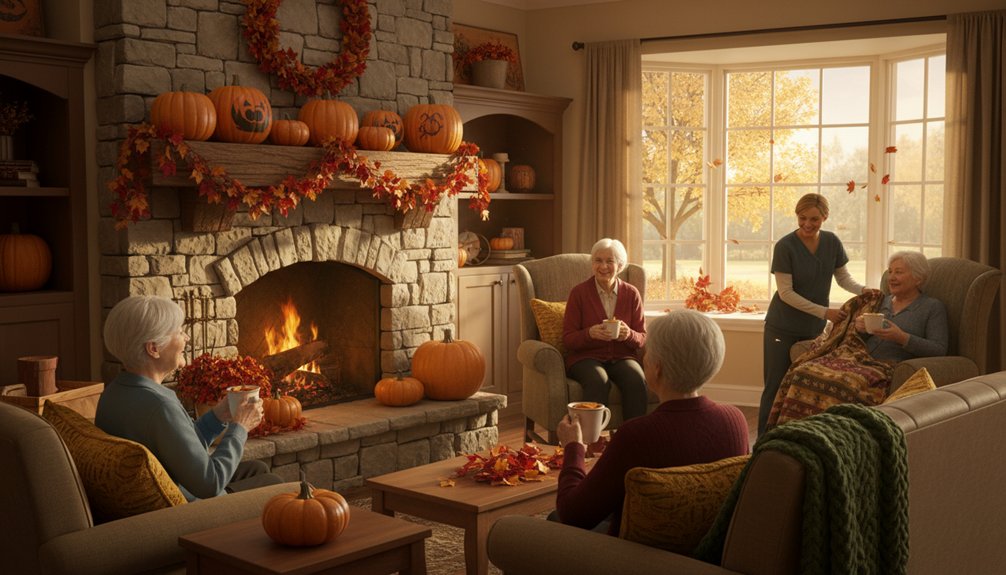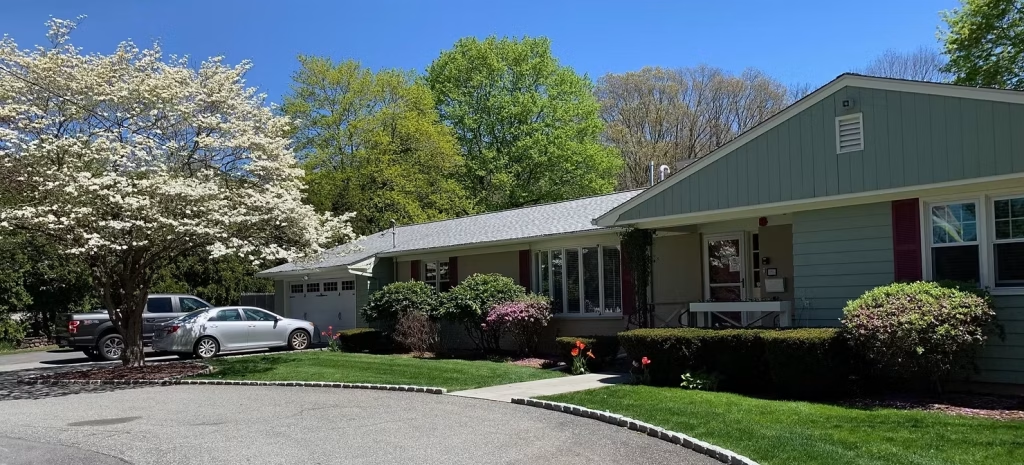
As fall approaches, many older adults may encounter specific challenges that can affect their safety and comfort. Senior living communities often address these concerns by implementing personalized care plans and safety measures tailored to individual needs. Key features to consider include:
- 24-Hour Staffing: Having staff available around the clock can enhance safety and provide immediate assistance when needed.
- Regular Health Assessments: Ongoing health evaluations can help monitor any changes in a resident’s health, ensuring timely interventions if necessary.
- Engaging Seasonal Activities: Many communities offer a variety of activities designed to keep residents active and socially engaged, which can be particularly beneficial during the fall months.
These elements can work together to foster a sense of belonging and connection among residents. When researching senior living options, it may be helpful to inquire about the specific services and activities offered, how they ensure safety and comfort, and how they support residents’ social connections. Understanding these aspects can greatly improve the quality of life for seniors during this season.
Key Takeaways
- Assisted living communities often develop personalized care plans tailored to each resident’s individual needs, which can help reduce the risk of falls and enhance safety within their living environments.
- Many communities provide regular health assessments and round-the-clock staffing to ensure immediate assistance is available, which contributes to both comfort and security for residents.
- Engaging in structured group activities and sharing communal meals are common practices that can foster social connections among residents, helping to alleviate feelings of isolation and encouraging participation in community life.
- Seasonal activities, such as arts and crafts, offer opportunities for residents to express their creativity while also building friendships with their peers and staff members.
- Involving family members in care planning and maintaining open lines of communication can play a significant role in supporting the emotional well-being of residents, reinforcing their sense of connection within the community.
Understanding Fall Risks for Seniors
Understanding fall risks for seniors is crucial, as falls can result in serious injuries and impact quality of life significantly. Each year, more than 25% of adults aged 65 and older experience a fall, with the likelihood increasing as individuals age. Contributing factors include muscle loss, balance impairments, and various health conditions. Additionally, certain medications and vision problems can elevate the risk, making it important to evaluate and address these concerns. Falls are the second leading cause of unintentional injury deaths worldwide, which underscores the importance of proactive measures in preventing them. Assisted living facilities, like Commonwealth House, implement personalized care plans to address individual health needs and reduce fall risks.
To support seniors in maintaining their safety and independence, consider the following practical measures:
- Regular Fall-Risk Screenings: These assessments can help identify individual risk factors and guide necessary interventions.
- Strength and Balance Exercises: Engaging in these activities can improve physical stability and reduce the likelihood of falls.
- Medication Reviews: Regularly reviewing medications with a healthcare provider can help identify any that may contribute to fall risk.
- Proper Footwear: Ensuring that seniors wear appropriate shoes can enhance stability and reduce slipping.
- Vision Assessments: Addressing vision problems through regular eye exams can improve awareness of surroundings and decrease fall risk.
Creating Safe Seasonal Environments
Creating safe seasonal environments for seniors requires thoughtful planning and proactive measures, as each season presents its own set of challenges. To help protect older adults from respiratory illnesses, it’s important to ensure they receive their annual flu and RSV vaccinations. Encouraging strict hand hygiene and monitoring for any symptoms can help maintain a healthy living environment.
Improving indoor air quality is essential. Working with community leadership can enhance ventilation and ensure regular HVAC maintenance is performed. During wildfire seasons, keeping windows closed and using air purifiers can help reduce smoke exposure, especially by establishing cleaner air spaces for residents. Additionally, regular hazard checks can identify and mitigate potential risks in the living environment.
Enhancing indoor air quality through proper ventilation and air purification is vital for protecting seniors, especially during wildfire seasons.
Developing comprehensive emergency plans that prioritize the needs of residents is crucial. These plans should include essential supplies and clear procedures.
Additionally, creating well-ventilated shared spaces can foster connection among residents while implementing necessary infection control measures. These considerations can help seniors feel safe, comfortable, and engaged throughout the changing seasons.
Enhancing Daily Comfort and Independence
Enhancing daily comfort and independence for seniors in assisted living communities can significantly improve their overall quality of life. Tailoring support to individual needs and preferences is essential in this regard.
Many residents may require assistance with daily activities such as bathing, dressing, and mobility, which helps them maintain their dignity and reduce physical strain. Approximately 24% of residents benefit from help with multiple daily tasks, allowing those who can manage independently to do so.
Offering choices in daily routines, like wake-up times and meal options, fosters a sense of personal autonomy and enhances comfort. Creating a dining experience that feels more like home can encourage social engagement among residents, which is vital for emotional well-being and nutritional satisfaction.
Additionally, promoting movement through exercise classes and meaningful activities not only helps preserve functional abilities but also enriches the lives of seniors. These personalized approaches empower residents, making them feel valued and connected within their community. The presence of medical professionals on-site further supports residents’ health and wellness needs.
When researching senior living options, consider asking the following questions:
- What types of assistance are available for daily activities?
- How are personal preferences integrated into care plans?
- What social activities and dining options are offered?
- How does the community encourage physical activity and wellness?
Understanding these factors can help you make a more informed decision when choosing a care setting for yourself or a loved one.
Monitoring Health and Providing Emergency Support
Monitoring health and providing emergency support are vital components of senior living communities, ensuring that residents receive timely care tailored to their specific needs. Regular health assessments can help identify chronic conditions and mobility challenges, allowing for personalized care plans that adapt as residents’ requirements change.
Having 24-hour staffing means that immediate assistance is available in case of emergencies, such as falls or sudden illnesses. Many communities implement fall-prevention measures—such as mobility checks and adequate lighting—to enhance resident safety.
Additionally, effective medication management ensures that medications are administered correctly, which can help reduce the risk of complications. Communities often have emergency response protocols in place, along with staff training and regular drills. Medication management is essential for overall health and independence, especially for seniors managing multiple medications.
This preparation fosters a secure environment, helping residents feel supported during difficult times, particularly as seasons change and new challenges may arise.
When researching senior living options, consider asking about the specific services provided related to health monitoring, emergency support, and safety measures in place to better understand how a community can meet the needs of you or your loved one.
Fostering Social Connections and Community
Fostering social connections and community in assisted living environments is vital for enhancing the quality of life for residents. These interactions can help reduce feelings of loneliness while promoting mental and emotional well-being.
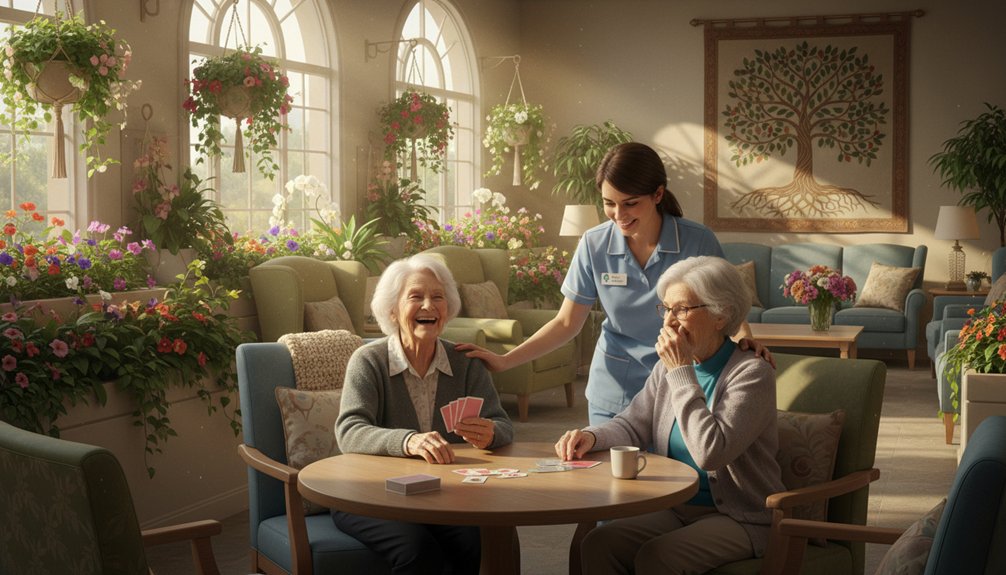
- Daily Interaction Opportunities: Many communities provide structured group activities such as games, crafts, and communal meals. These settings create regular opportunities for residents to engage in conversation and explore shared interests. Participation in activities is linked to improved quality of life among older adults in AICs. Additionally, thoughtfully planned routines help facilitate these interactions, ensuring residents feel connected and included.
- Encouraging Friendships: Casual interactions with neighbors and staff can lead to meaningful relationships. This social support is particularly important as residents navigate significant life changes. Shared meals and activities foster a sense of belonging that further strengthens these friendships.
- Family and Community Connections: Scheduled visits, holiday gatherings, and volunteer opportunities can help reduce feelings of isolation and strengthen connections with the broader community, providing additional emotional support. Engaging families in activities can also serve as effective icebreakers for residents, enhancing their social experience.
- Seasonal Activities: Many communities offer seasonal programs, such as autumn-themed events featuring harvest meals and festivals. These activities can provide enjoyable chances for residents to socialize and create lasting memories. Celebrating milestones and cultural holidays adds to this sense of community and connection.
When researching assisted living options, consider how each community promotes social engagement and connection among residents. This aspect can significantly impact overall well-being and satisfaction in a senior living environment.
Promoting Emotional Well-Being in Autumn
As autumn brings a shift in colors and daylight, it can also impact the emotional well-being of seniors living in assisted living communities. The shorter days may lead to mood changes and sleep disturbances, making it essential for communities to create bright, welcoming environments. To support emotional stability, it’s helpful to prioritize consistent sleep schedules and daily routines. Regular exposure to natural light during the day can assist in regulating circadian rhythms, which is beneficial for overall mood and well-being. Additionally, high rates of loneliness among nursing home residents highlight the need for strong social connections to combat feelings of isolation. Implementing person-centered care that respects individual preferences and routines can enhance residents’ dignity and comfort. Additionally, conducting regular mood screenings can help identify seniors who may benefit from clinical support. Furthermore, engaging in music and movement therapy can provide therapeutic benefits that enhance mood and foster social connections among residents.
By focusing on these strategies, communities can help ensure that residents feel safe, comfortable, and emotionally supported throughout the autumn months, contributing to a healthier state of mind.
When considering care options, it’s important to ask about how each community approaches emotional support and well-being initiatives for their residents.
Engaging Residents With Seasonal Activities
Engaging residents with seasonal activities can significantly enhance their experience in senior living communities while fostering connections and promoting emotional well-being. This fall, consider the following activities that encourage participation and creativity:
- Pumpkin Decorating Sessions: These sessions can invite residents to express their creativity in a relaxed environment, fostering lasting connections and a sense of belonging.
- Seasonal Arts and Crafts: Activities such as leaf collages and autumn wreaths can stimulate cognitive and emotional health. Providing adapted supplies can ensure that all residents can participate comfortably.
- Outdoor Activities: Organizing courtyard walks and nature observation can help residents connect with the beauty of fall while promoting physical activity.
- Themed Music Sessions and Games: These activities can stimulate cognitive engagement and offer opportunities for joyful reminiscence. Increased social participation observed in long-term care settings shows the importance of these activities in fostering connections among residents.
By incorporating such activities, senior living communities can create inviting atmospheres that encourage residents to feel safe, comfortable, and connected throughout the season.
When researching care options, consider how different communities approach seasonal engagement and what specific activities they offer to support resident well-being.
Supporting Families in Assisted Living Settings
Supporting families in assisted living settings is vital for ensuring that residents receive comprehensive care while maintaining meaningful connections with their loved ones. Regular communication, often occurring on a weekly basis, allows families to stay informed about any health changes and fosters a collaborative atmosphere between families and staff. Families often play a key role in care planning, helping to clarify resident preferences and personal goals, which can enhance the overall quality of care. Additionally, approximately 70% of AL residents are widowed, which underscores the importance of family involvement to ensure emotional support for residents. Caregivers also provide personalized support that respects each resident’s unique needs, reinforcing the connection between families and their loved ones.
Active participation from families can also help minimize feelings of isolation for both residents and their loved ones, thereby strengthening emotional bonds and contributing to overall well-being. Clearly defined roles between family members and staff can promote mutual respect and effective partnerships. By remaining engaged, families can support their loved ones through the transition to a new community and contribute to ongoing satisfaction within the assisted living environment.
Active family participation reduces feelings of isolation, strengthens emotional bonds, and enhances satisfaction in assisted living environments.
When researching senior living options, consider the following:
- Communication Practices: Ask about how often families are updated on their loved one’s health and well-being.
- Involvement in Care Planning: Inquire about how families can participate in discussions about care preferences and goals.
- Support for Family Engagement: Look for communities that encourage family visits and activities that involve both residents and their loved ones.
- Understanding Roles: Clarify the specific roles of staff and families in the care process to ensure a collaborative approach.
These factors can significantly impact the experience of both residents and their families in the assisted living setting.
Frequently Asked Questions
What Specific Training Do Assisted-Living Staff Receive for Fall Prevention?
Assisted-living staff receive comprehensive training in fall prevention to support the safety and well-being of residents. This training typically covers several key areas:
- Screening and Assessment: Staff learn how to evaluate individual fall risks through assessments and medication reviews. This helps identify residents who may be more susceptible to falls.
- Mobility and Exercise: Training includes techniques for assisting residents with safe transfers and encouraging daily physical activity, which can improve strength and balance.
- Environmental Safety: Staff are instructed on how to identify and eliminate potential hazards in living spaces, ensuring that common areas and personal rooms are as safe as possible.
- Team Collaboration: Effective communication among care staff is emphasized, which is essential for coordinating responses to any fall incidents and ensuring that all team members are aware of individual resident needs.
This approach to training is designed to create a safe and supportive environment for older adults, helping to prevent falls and promote their overall health and independence.
When evaluating senior living options, it may be helpful to inquire about the specific fall prevention training provided to staff, as well as the strategies they employ to keep residents safe.
How Often Are Fall Risk Assessments Conducted for Residents?
Fall risk assessments for residents in senior living communities are typically conducted on an annual basis. However, it’s important to reassess a resident’s risk after any fall occurs.
If a resident experiences two or more falls within a single year, a more comprehensive evaluation is warranted.
Additionally, following any significant changes in health—such as adjustments to medications or emerging mobility issues—a reassessment is crucial.
Regular monitoring of residents, particularly those identified as being at higher risk for falls, is essential in promoting safety and providing support. This proactive approach to fall prevention is an important aspect of care in assisted living environments.
When researching care options, consider asking about the community’s policies on fall risk assessments and how often they’re conducted, as practices can vary by provider.
Can Family Members Participate in Seasonal Activities With Residents?
Yes, family members may participate in seasonal activities alongside residents in senior living communities. Many of these communities offer a variety of engaging events such as autumn festivals, craft projects, and themed gatherings.
Participating in these activities can be beneficial for both residents and their families. Shared experiences, like baking or creating decorations, can strengthen family ties and enhance the quality of life for older adults.
When considering a senior living community, it may be helpful to ask about the types of seasonal activities offered and whether families are encouraged to join.
This information can provide insight into the community’s approach to resident engagement and family involvement, which can be important factors in your decision-making process.
What Types of Strength and Balance Activities Are Offered?
Strength and balance activities offered in senior living communities can play a vital role in enhancing mobility and overall well-being for older adults. Here are some common types of activities that may be available:
- Chair stands: These exercises help strengthen the legs and hips, promoting better stability.
- Resistance bands and hand weights: These tools can be used to target major muscle groups, assisting residents in maintaining and improving their strength.
- Balance exercises: Activities such as standing on one foot or practicing heel-to-toe walking can help improve balance and coordination.
- Tai chi and yoga: Known for their focus on controlled movement and flexibility, these practices can contribute to both physical and mental well-being.
It is important to note that activities may vary by community, and they’re typically tailored to meet the individual needs of residents.
Regular participation in these activities can help prevent falls and support a more independent lifestyle.
When considering a senior living option, it may be useful to inquire about the specific strength and balance programs offered, as well as how they align with the unique needs of yourself or your loved one.
How Are Medication Reviews Conducted to Prevent Falls?
Medication reviews are an important part of ensuring the safety and well-being of older adults in a senior living community or care setting. These reviews help identify medications that may increase the risk of falls and assess how these drugs can impact conditions like dizziness or confusion.
Here’s how medication reviews are typically conducted:
- Screening: A thorough review starts with screening for medications known to potentially increase fall risk. This includes both prescription and over-the-counter medications.
- Assessment: Once high-risk medications are identified, healthcare providers assess how these medications may affect an older adult’s balance, coordination, and mental clarity.
- Plan Formulation: Based on the assessment, a plan is formulated. This may involve adjusting dosages, stopping certain medications, or switching to alternatives that carry a lower risk of falls.
- Education: It’s crucial for residents, their families, and caregivers to understand any changes made to medication regimens. This education can help everyone involved feel more confident about the changes.
- Ongoing Monitoring: After changes are implemented, continuous monitoring is essential. This helps evaluate the effectiveness of the adjustments and any potential side effects, ensuring that the resident’s safety is prioritized.
When considering a senior living community, it can be helpful to ask about their approach to medication management, including how they conduct medication reviews and what systems they’ve in place for monitoring residents’ health.
This proactive approach can create a safer, more supportive environment for older adults.
 By start