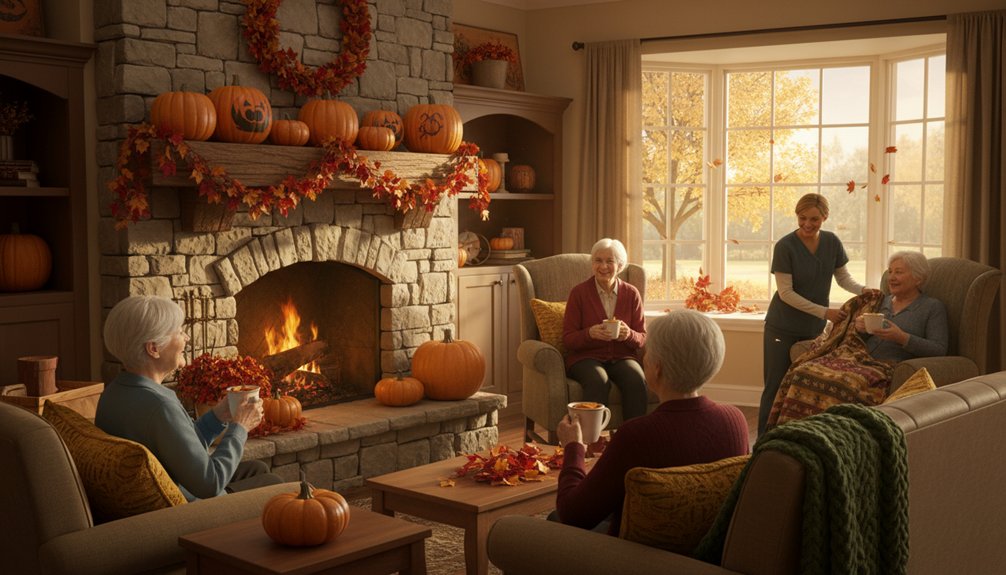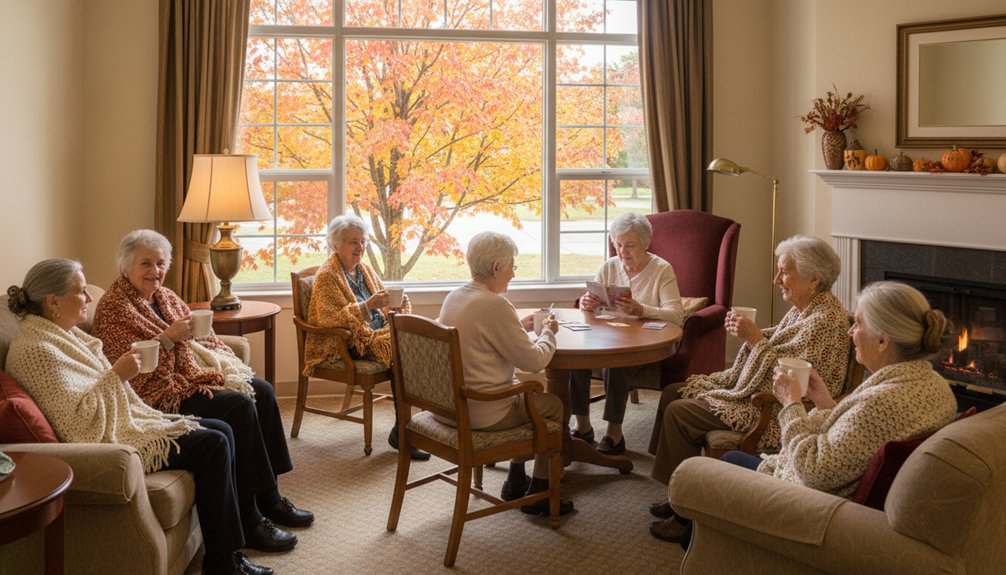
As the fall season approaches, it’s a good time to reassess the care needs of older adults in your life. This time of year can introduce unique challenges, such as colder weather and increased health risks. By staying engaged and proactive, families can play a crucial role in ensuring the well-being of their loved ones.
Consider evaluating the following aspects of their care:
- Health Monitoring: Regular check-ins with healthcare providers can help identify potential health issues early. It’s important to ensure that medications are managed properly and that any chronic conditions are being monitored.
- Safety Assessments: Evaluate their living environment for safety risks. This may include checking for adequate heating, ensuring there are no slip hazards, and confirming that emergency contacts are easily accessible.
- Social Connections: Maintaining social connections is essential for emotional well-being. Encourage participation in community activities or visits with family and friends, as these interactions can help combat feelings of isolation.
To support your loved ones effectively, consider asking the following questions:
- What specific health concerns should be monitored as the weather changes?
- Are there modifications that can be made to enhance safety in their home?
- How can we facilitate social engagement during the fall months?
Understanding these factors and taking proactive steps can significantly impact their quality of life and care journey. Each senior living community may offer different services and support, so exploring options that align with your loved one’s needs is vital.
Key Takeaways
- Regularly check and update the older adult’s vaccination status to help protect against seasonal illnesses, such as influenza and RSV. Staying current with vaccinations is an important step in maintaining health during fall and winter months.
- Involve family members in organizing transportation for safe outings and social activities, especially during pleasant weather. Having a plan for transportation can enhance the older adult’s social engagement and overall well-being.
- Share caregiving responsibilities among family members to help prevent caregiver burnout. This collaborative approach ensures that the older adult receives consistent support while allowing caregivers to manage their own well-being.
- Conduct regular safety inspections of the home to identify and address potential risks. This proactive measure can create a safer living environment for the older adult, reducing the likelihood of accidents.
- Keep lines of communication open regarding care needs and preferences. Engaging all family members in discussions about the older adult’s care fosters a collaborative approach and ensures everyone is informed and involved in the care process.
Assessing Seasonal Care Needs
Here are some key considerations to keep in mind:
- Age Considerations: Older adults, particularly those aged 65 and older, are at a higher risk for complications from influenza. This age group accounts for a significant portion of related hospitalizations and fatalities.
- Vaccination Review: It’s advisable to check your vaccination history, particularly for the flu and respiratory syncytial virus (RSV). Staying up to date with vaccinations can provide important protection.
- Medication and Appointments: Ensure you have an adequate supply of medications and are keeping up with medical appointments to effectively manage any chronic conditions. Regular medication management is essential for maintaining health and preventing complications.
- Nutrition and Routine: With shorter days in the fall, it’s important to monitor your nutrition and hydration. Changes in daily routines can affect overall well-being, so maintaining healthy habits is crucial.
Implementing Fall-Prevention Strategies
As autumn arrives and the weather changes, it’s important to take measures to protect yourself or your loved ones from falls, which can become more common during this season.
Home-Safety Adjustments
- Regularly clear walkways of slippery leaves and debris to ensure safe passage.
- Enhance lighting in critical areas, such as stairways and hallways, to improve visibility, as adequate lighting helps seniors identify hazards and navigate safely.
- Secure rugs and remove clutter to minimize tripping hazards within the home.
Exercise for Strength and Balance
– Encourage participation in balance and strength exercises, such as tai chi or yoga, which can help maintain stability and coordination. Engaging in exercise interventions has been shown to reduce the number of falls among older adults.
Footwear and Mobility Support
– Opt for nonskid shoes to reduce the risk of slipping, and ensure that mobility aids, like walkers or canes, are properly fitted for effective use.
Medication and Vision Safeguards
– Review any medications with a healthcare provider to identify potential side effects that may lead to dizziness or instability.
Family Safety Planning
– Establish a regular check-in schedule with family members and develop an emergency response plan to ensure prompt assistance if needed, incorporating emergency response systems for comprehensive coverage.
Enhancing Health Monitoring and Communication
Supporting the health and well-being of your loved ones in a senior living community involves enhancing health monitoring and communication, especially as care needs change. Here are some practical steps to consider:
Supporting your loved ones in a senior living community requires proactive health monitoring and clear communication as their care needs evolve.
- Vaccination Review: Schedule regular reviews of vaccination status for illnesses such as influenza, COVID-19, and RSV. Keeping vaccinations up to date can help protect residents from serious health risks.
- Medication Management: Maintain an updated list of medications, including their purposes and potential side effects. Sharing this information with healthcare providers can help prevent complications and ensure that care is tailored to individual needs. Additionally, caregivers often assist with medication management, so involving them in this process can enhance safety and effectiveness. Furthermore, personalized care plans ensure that medication regimens are specifically designed to align with the individual’s health requirements.
- Regular Monitoring: Track vital signs and any notable changes in health. Communicating these observations with medical professionals is vital for timely intervention and support.
- Communication System: Establish an organized communication system for sharing appointments, symptoms, and care decisions among family members. This coordinated approach can enhance the overall care experience and ensure everyone is informed.
By implementing these strategies, families can enhance health monitoring and improve their ability to navigate the care needs of their loved ones effectively.
Each community may offer different services, so it’s important to understand what’s available to best support your family member’s health and well-being.
Planning Transportation and Social Activities
Planning for transportation and social activities is an important aspect of supporting older adults in a senior living community, particularly as their care needs change. Here are some key considerations to keep in mind:
- Assess Transportation Needs: Evaluate your loved one’s transportation requirements by considering their mobility, vision, and any assistance they may require. Understanding these factors can help ensure safe and comfortable travel. Additionally, maintaining open communication with staff can provide insight into the best transportation solutions for residents.
- Involve Residents in Decision-Making: Encourage older adults to participate in discussions about their transportation and social activities. This involvement can promote their autonomy and dignity, allowing them to express their preferences. Additionally, addressing transportation barriers can significantly impact their mental health and well-being.
- Prioritize Safety: When planning outings, aim for daytime trips during favorable weather conditions. Avoid scheduling activities during high-risk situations, such as inclement weather or busy traffic times. It’s also beneficial to consider creating familiar spaces during outings, which can help reduce anxiety and promote emotional stability.
- Explore Transportation Options: Look into various transportation choices, including family rides, public transit, or community services that may be available. Always consider having backup arrangements in case of unforeseen circumstances.
- Select Meaningful Social Activities: Choose activities that are engaging and meaningful to your loved one. Ensure that venues are accessible and cater to their interests and abilities. Additionally, involving family members in planning can enhance emotional connections and overall enjoyment of the activities.
Establishing Emergency Preparedness and Caregiver Support
Establishing an emergency preparedness plan is essential for ensuring both older adults and their caregivers feel secure and supported during times of change in care needs.
It’s advisable to review emergency plans at the start of fall or whenever there’s a shift in mobility or medical requirements.
Consider the following steps to enhance your preparedness:
- Identify Higher-Risk Individuals: Recognize household members who may be more vulnerable, such as those with chronic medical conditions or mobility limitations.
- Assign Backup Caregivers: Designate additional caregivers who can step in during emergencies, such as illness or severe weather, ensuring that support is available when needed. This personalized attention helps build trust and familiarity, which is crucial in emergency situations.
- Document Essential Information: Keep a record of important details, such as emergency contacts, medications, and care preferences. Ensure that this information is easily accessible to all caregivers.
- Conduct Safety Inspections: Regularly assess your home for safety hazards to minimize risks and enhance the living environment.
- Prepare an Emergency Supply Kit: Assemble a kit that includes necessary medications and equipment to address potential emergencies.
- Share Caregiving Responsibilities: Distributing caregiving tasks among family members can foster a supportive network and help prevent caregiver burnout. Additionally, it’s crucial to recognize that nearly half of caregivers assist with daily tasks, which can increase the need for effective emergency planning.
Frequently Asked Questions
How Can Families Improve Communication About Changing Care Needs?
To enhance communication regarding changing care needs, consider implementing regular family check-ins. These meetings can help ensure that everyone involved stays informed about the care of older adults. Use clear and respectful language, emphasizing specific observations and preferences to facilitate understanding.
Encouraging open dialogue is essential; consider asking open-ended questions and actively listening to responses. This approach fosters a collaborative environment where everyone feels comfortable sharing their thoughts and concerns.
Creating a shared care information system can be beneficial as well. This system may include important details about the resident’s needs, preferences, and any changes in their condition.
Additionally, establishing guidelines for when to contact healthcare providers can help the family respond effectively to changes in care needs.
Coordinating responses to potential risks, such as falls or changes in weather, promotes teamwork among family members and caregivers. Engaging everyone in the care process can lead to better outcomes and a more supportive environment for the resident.
What Resources Are Available for Caregiver Support During the Fall?
During the fall, various resources can assist caregivers in providing support for older adults. Here are some options to consider:
- National Family Caregiver Support Program: This program offers counseling and respite care, which can be crucial for caregivers needing a break or guidance.
- Local Area Agencies on Aging: These agencies typically provide essential services like meal delivery and transportation for seniors, helping to ease the caregiving burden.
- Eldercare Locator: This tool can help you find community organizations in your area that offer various services tailored to older adults.
- Caregiver Support Groups: Joining a support group can provide emotional support and valuable training for caregivers. Connecting with others facing similar challenges can be comforting and informative.
- ARCH National Respite Network: This network offers information on local respite care options, which can help caregivers balance their personal needs with their responsibilities.
Exploring these resources can help caregivers and families make informed decisions and find the support necessary for effective caregiving during the fall.
How Can Families Encourage Older Adults to Stay Active Indoors?
To encourage older adults to stay active indoors, consider integrating enjoyable activities into their daily routine. Options such as dancing, chair yoga, and guided stretching can promote physical well-being while providing a fun way to engage.
Scheduling regular family exercise sessions can create a sense of community and make physical activity a shared experience. Utilizing online fitness classes can also offer variety and motivation, helping to keep exercise interesting.
It’s important to ensure that the environment is safe for older adults. This may involve removing obstacles and providing stable support for exercises.
Regular check-ins to celebrate progress can foster a supportive atmosphere, while adapting activities to suit individual comfort levels can further encourage participation.
What Signs Indicate a Need for Reassessing Care Plans?
Signs that may indicate a need for reassessing care plans include:
- Increased difficulty with daily tasks: If a resident is struggling with activities like bathing, dressing, or grooming, it might be time to evaluate their current level of support.
- Frequent falls or unsteadiness: These occurrences can suggest a review of fall risk factors and safety measures within the home or community.
- Changes in cognitive function: Symptoms such as confusion or memory loss can indicate that a resident may require additional cognitive support or interventions.
- Unmet nutritional needs: Weight loss or a noticeable decrease in appetite can signal the need for a reassessment of dietary plans and nutritional support.
- Caregiver exhaustion: If family members or caregivers are frequently expressing feelings of fatigue or requesting assistance, this may highlight the need for additional resources or respite care.
Recognizing these signs is important for ensuring that residents receive the appropriate level of care and support.
Evaluating the current care arrangements and considering adjustments can help improve the well-being of older adults and their caregivers.
How Can Technology Aid in Monitoring Health and Safety?
Technology can play a significant role in monitoring health and safety for older adults, making caregiving more efficient and effective. Here are some essential tools and considerations for families exploring care options:
- Smart Devices: These can track vital signs such as blood pressure and glucose levels, helping ensure that medical reviews occur in a timely manner. Keeping a close watch on these metrics can be crucial in managing health conditions.
- Wearable Technology: Devices that monitor movement can detect falls. When a fall is detected, these wearables can send alerts to family members or emergency services, providing peace of mind for both residents and their families.
- Medication Reminders: Technology can assist in maintaining adherence to prescribed medication schedules. Reminders can help residents stay on track with their medications, which is vital for their health management.
- Remote Monitoring Systems: These systems enable family members and caregivers to observe daily routines, ensuring that residents are safe and their health needs are prioritized. This type of monitoring can be particularly beneficial for those who may live independently but require occasional oversight.
When considering a senior living community or care setting, it’s essential to inquire about the specific technology and services they offer. Not all communities may provide the same level of technological support, so understanding what’s available can significantly affect your decision-making process.

 By start