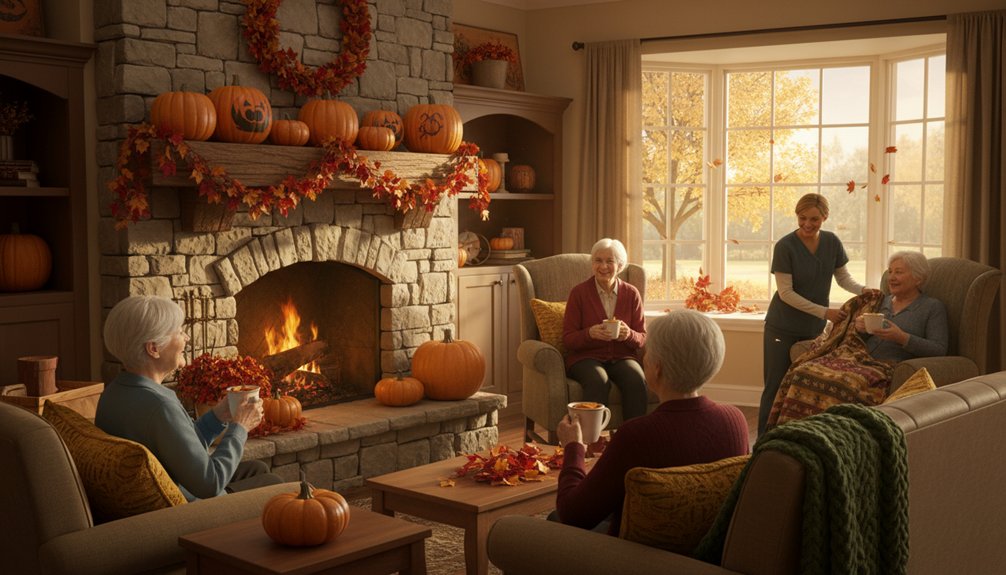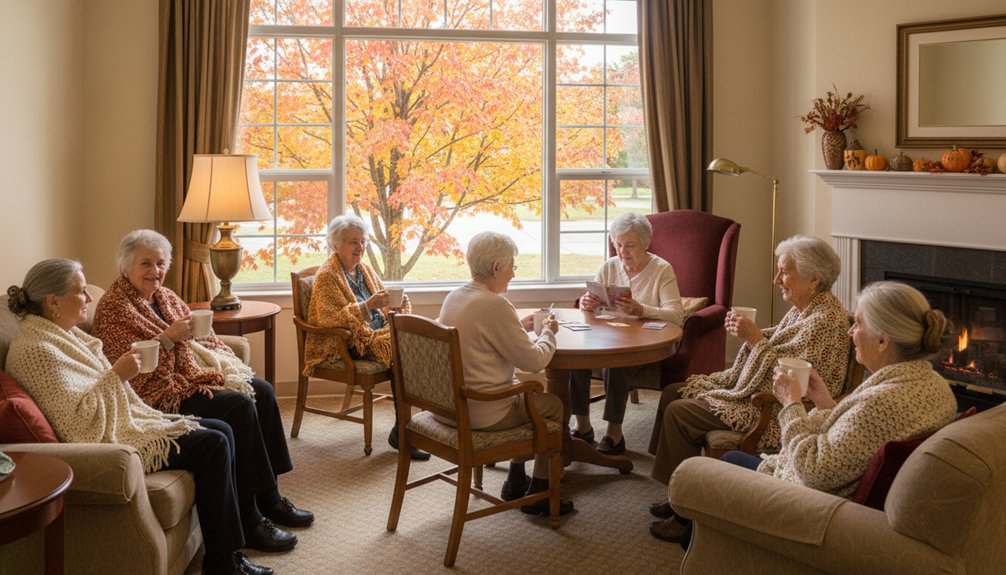
In senior living communities, calm and consistent daily support is vital for enhancing the well-being of residents. When routines are predictable, older adults often feel more secure and less anxious. This structure not only builds trust between caregivers and residents but also enables individuals to engage in daily activities with dignity.
Here are some key elements that contribute to the success of this approach:
- Predictable Routines: Regular schedules for meals, activities, and personal care can help residents feel more in control of their day-to-day lives.
- Personalized Support: Tailoring assistance to meet individual needs fosters a sense of autonomy and respect among residents.
- Open Communication: Encouraging dialogue between residents and caregivers can help address concerns and enhance the overall living experience.
- Engagement Opportunities: Providing various activities and social interactions can help residents feel involved and valued within the community.
- Trained Staff: Caregivers who are well-trained in providing emotional and practical support contribute significantly to a calm environment.
When exploring senior living options for yourself or a loved one, consider how these elements are integrated into the community’s daily practices. Understanding the impact of calm and consistent support can help you make an informed decision about the care setting that best aligns with your needs or those of your loved one.
Key Takeaways
- Consistent daily routines can help reduce anxiety for residents, offering clarity and predictability in their care and activities. This structure is important for older adults, as it creates a sense of stability in their daily lives.
- Having familiar caregivers is key to fostering trust and a sense of safety. When residents build relationships with their caregivers, it can enhance their emotional well-being and comfort within the community.
- Structured activities that cater to individual preferences can promote engagement and uphold dignity during daily living tasks. It is beneficial to consider how a community personalizes activities to align with residents’ interests.
- A calm environment, characterized by low noise levels and appropriate lighting, aids residents in navigating their surroundings safely and can significantly reduce stress. When evaluating communities, notice the ambiance and how it supports residents’ comfort.
- Meaningful interactions and effective communication among staff members are crucial for ensuring coordinated care. It’s essential that care settings respect residents’ autonomy and facilitate open dialogue, which can enhance the overall care experience.
When researching senior living options, consider these factors as they contribute to a supportive and nurturing environment for residents.
The Importance of Predictability in Daily Routines
Creating a predictable daily routine in a senior living community can significantly enhance the emotional and cognitive well-being of residents. Familiar routines help to reduce anxiety, particularly for older adults living with dementia, by providing clarity around daily expectations.
Here are some key benefits of establishing a consistent routine:
- Reduced Anxiety: Familiarity with daily schedules can help alleviate feelings of uncertainty for residents. Incorporating mindfulness meditation into daily routines can further enhance this sense of calm.
- Enhanced Cooperation: Regular schedules for meals and personal care may lead to improved cooperation from residents, making caregiving more effective.
- Encouraged Participation: Structured activities promote engagement in daily living tasks, which can enhance overall quality of life. Establishing a daily routine can empower residents and support their dignity by providing them with choices within a structured framework.
A predictable environment can also contribute to a sense of stability, lowering stress and agitation among residents. Consistent patterns for sleep and meals support healthier daily rhythms, which is particularly important for those experiencing sleep disruptions.
It’s essential to recognize that individualized planning is crucial. Routines should reflect the personal preferences and strengths of each resident. This tailored approach ensures that every individual feels comfortable and supported throughout their day.
When researching senior living options, consider asking about how the community structures daily routines and activities. Understanding their approach to predictability can provide insight into how they address the needs of their residents.
Building Trust Through Consistent Care
Building trust in senior living communities is essential, particularly as residents face the challenges associated with aging and health. Consistent care plays a crucial role in creating familiarity, as caregivers become acquainted with each resident’s individual preferences and communication styles.
Building trust in senior living communities is vital, as consistent care fosters familiarity and understanding between caregivers and residents.
When residents interact with the same staff regularly, it can foster a sense of safety and predictability, which may help ease anxiety during care encounters. This person-centered approach recognizes the frailty and vulnerability of nursing home residents, ensuring that their needs and preferences are prioritized. Caregivers also provide personalized support, adapting their assistance to each resident’s unique requirements.
To enhance these relationships, it’s important that caregivers have sufficient time for meaningful interactions. Rushed conversations can hinder communication, while attentive listening can help recognize and address emotional needs.
Additionally, effective communication among staff is vital; it ensures that everyone is informed about any changes in residents’ needs and promotes coordinated care.
Ultimately, fostering trust through consistent care contributes to a nurturing environment that supports both residents and caregivers, enhancing overall well-being.
When researching care options for yourself or a loved one, consider the following factors to evaluate how a community approaches consistent care:
- Staffing Models: Inquire about how often staff members work with the same residents to build familiarity.
- Caregiver Training: Understand the training caregivers receive to support effective communication and relationship-building.
- Time for Interaction: Ask how communities ensure caregivers have time for meaningful conversations with residents.
- Communication Practices: Investigate how staff members communicate with each other regarding residents’ needs and updates.
These considerations can help you assess the quality of care in a community and determine if it aligns with the needs of you or your loved one.
Supporting Daily Activities With Dignity
Assisted living communities can support daily activities while maintaining the dignity of their residents by focusing on autonomy and choice. This approach allows older adults to make decisions about their daily routines, including preferences for bathing times and meal choices. Such person-centered care can significantly enhance their quality of life and foster a greater sense of independence.
When it comes to personal care, providing respectful assistance is essential. Staff members should prioritize privacy and dignity during these interactions by using clear communication and ensuring personal space is respected. Additionally, active family involvement can further enhance the support residents receive, creating an environment that encourages engagement and emotional well-being.
Additionally, adaptive technologies can facilitate engagement, enabling residents to participate more actively in daily tasks. Understanding the dignity of older adults in long-term care is vital for creating an environment that promotes meaningful participation and respectful interactions, ensuring residents feel valued and empowered. This not only helps to safeguard their dignity but also allows them to receive the necessary support in a way that honors their individuality.
When researching senior living options, consider how different communities approach these aspects of care, as practices may vary by provider.
Creating a Dementia-Sensitive Environment
Creating a dementia-sensitive environment is important for improving the quality of life for residents who face cognitive challenges. When exploring care options for yourself or a loved one, consider the following elements that can contribute to a supportive living space:
Creating a dementia-sensitive environment enhances the quality of life for those facing cognitive challenges. Consider these elements when exploring care options.
- Reduce Noise: It’s beneficial to have low noise levels, as loud sounds can increase stress for residents. Avoiding paging systems and alarms can help create a calmer atmosphere. When appropriate, soothing music may also enhance the environment. Emergency response systems can provide added reassurance, allowing residents to feel secure in their surroundings.
- Optimize Lighting: Adequate, natural lighting can help residents recognize cues and navigate their surroundings safely. It’s advisable to avoid bright lights and deep shadows, as these can lead to disorientation. Low noise levels have been shown to improve behavior and wellbeing, further enhancing the living experience for dementia patients.
- Simplify Navigation: A straightforward layout with large, clear signs and familiar landmarks can assist residents in finding their way. Consistent placement of furniture is also helpful for maintaining orientation.
- Ensure Safety: It’s important to incorporate safety features that are unobtrusive, such as silent locks. This approach can help maintain a homelike atmosphere while ensuring the safety of residents.
When researching senior living communities or care settings, these considerations can play a vital role in creating a supportive and comfortable environment for older adults.
Enhancing Quality of Life Through Meaningful Engagement
Engaging in meaningful activities is an essential aspect of enhancing the quality of life for residents in senior living communities. These activities help foster social connections and support emotional well-being, which can be particularly important for older adults. Social engagement is a modifiable factor linked to the wellbeing of older adults, highlighting its importance in fostering a supportive community. Additionally, participating in collaborative art projects can provide unique opportunities for self-expression and connection among residents.
By promoting social participation, communities may help reduce the risk of depression and increase overall satisfaction among residents.
Consider the following options for activities that can facilitate bonding and shared experiences:
- Gardening
- Crafts
- Exercise programs
These activities can create opportunities for residents to connect, which can help alleviate feelings of loneliness.
Personalized engagement is also crucial. Tailoring activities to match individual interests and abilities can ensure that all residents feel included and valued.
Some communities may offer resident-led programs that promote autonomy and connection. Examples of these programs include:
- Virtual family visits
- Art classes
Such interactions can significantly enhance residents’ spirits and contribute to their overall well-being.
When exploring senior living options, consider how communities create environments that encourage meaningful engagement. It’s important to look for settings where residents feel respected, engaged, and mentally stimulated, contributing to a richer and more fulfilling life.
Frequently Asked Questions
How Can Families Support Residents’ Emotional Wellbeing in Assisted Living?
To support residents’ emotional wellbeing in assisted living, families can consider the following approaches:
- Regular Communication: Schedule consistent visits or phone calls to maintain a strong connection, helping residents feel valued and supported.
- Empathetic Conversations: Engage in discussions that show understanding and compassion. Ask open-ended questions about their feelings and preferences to foster a deeper connection.
- Encourage Participation: Promote involvement in activities that align with residents’ interests. This can enhance their sense of purpose and community engagement.
- Monitor Emotional Health: Be attentive to changes in their emotional state. If concerns arise, communicate these to the staff, who can provide additional support.
- Consistent Updates: Create a reliable communication plan to keep residents informed about community happenings or changes, which can help alleviate anxiety and reinforce a sense of security.
What Training Do Staff Receive for Dementia-Sensitive Care?
Staff members in senior living communities that specialize in dementia-sensitive care typically undergo comprehensive training to ensure they can meet the unique needs of residents living with dementia.
This training often includes:
- Orientation and Ongoing Education: New employees typically participate in a detailed orientation program, which is complemented by continuous education on dementia care practices.
- Communication Techniques: Training focuses on developing skills in patience and reassurance, as well as adapting communication methods to align with the changing needs of residents.
- Behavioral Management: Staff learn to identify signs of agitation or distress in residents and are trained in non-pharmaceutical approaches to provide appropriate support.
- Empathy Training: This aspect of training helps staff understand the experiences of residents, promoting compassionate and respectful interactions.
This level of training is designed to equip staff with the skills necessary to provide personalized and dignified care to older adults affected by dementia.
When researching care options, consider asking about the specific training programs available to staff and how these programs inform their daily interactions with residents.
Are There Specific Activities Tailored for Different Dementia Stages?
Yes, there are specific activities that can be tailored to different stages of dementia, which can enhance the quality of life for older adults. Understanding these activities can help family members and caregivers make informed decisions about care options.
Mild Dementia
For residents in the early stages of dementia, engaging in activities that stimulate creativity and cognitive function can be beneficial. Consider:
- Arts and Crafts: Activities like painting or crafting can foster self-expression.
- Puzzles: Simple jigsaw puzzles or word searches can help maintain cognitive skills.
- Baking: Multistep tasks such as baking familiar recipes can provide a sense of accomplishment and enjoyment.
Moderate Dementia
As dementia progresses, the focus may shift to activities that are more familiar and comforting. Suitable options include:
- Music Therapy: Listening to familiar songs can evoke positive emotions and memories.
- Reminiscence Activities: Sharing stories or looking through photo albums can help residents connect with their past.
- Familiar Tasks: Simple daily tasks, such as folding laundry or setting the table, can provide a sense of purpose.
Severe Dementia
In advanced stages of dementia, activities may need to be more sensory-oriented and movement-focused to engage residents effectively. Some appropriate activities are:
- Gentle Exercises: Light stretching or chair exercises can promote physical health and well-being.
- Sensory Stimulation: Activities that engage the senses, such as listening to soothing music or tactile experiences with soft fabrics, can be calming and enjoyable.
When considering care options for a loved one, it’s important to ask about the types of activities offered and how they’re tailored to meet the needs of residents at various stages of dementia.
This approach not only fosters engagement but also helps residents feel valued and connected within their community.
How Is Resident Feedback Incorporated Into Daily Routines?
Resident feedback plays a crucial role in shaping the daily routines within senior living communities. By sharing your preferences, staff can make adjustments to various aspects of daily life, such as wake-up times, meal options, and activity schedules, to better align with your needs.
Regular care-plan meetings offer residents an opportunity to express concerns and request changes, ensuring that their care remains personalized. These meetings are important for discussing individual care plans and making necessary adjustments based on resident feedback.
Additionally, resident councils serve as a platform for discussing community operations and suggesting improvements. This collaborative environment allows residents to voice their opinions and contribute to enhancing the overall quality of care they receive.
When researching senior living options, consider communities that prioritize resident input and actively incorporate feedback into their daily routines. This focus on personalization can significantly impact the quality of life for older adults in care settings.
What Role Does Nutrition Play in Emotional Wellbeing?
Nutrition plays a vital role in the emotional wellbeing of older adults. A balanced diet that includes plenty of fruits, vegetables, and healthy fats, such as those found in fish and nuts, can help lower the risk of depression and support mental health. When seniors are well-nourished, they often experience improvements in mood and cognitive functioning.
In addition to providing essential nutrients, regular communal meals can enhance social connections among residents, which is important for emotional health. Engaging in shared dining experiences not only promotes better nutrition but also fosters a sense of community, contributing positively to the overall quality of life.
When considering care options for yourself or a loved one, it’s important to inquire about the nutritional offerings of each senior living community. Here are some considerations to keep in mind:
- Dietary Variety: Does the community offer a range of food choices that cater to different dietary needs and preferences?
- Meal Frequency: Are meals served at regular intervals, and is there flexibility for snacks or additional meals if needed?
- Social Dining: Are communal meals encouraged, and how are they structured to promote social interaction?
- Nutritional Support: Is there access to nutritionists or dietitians who can tailor meal plans to individual health requirements?
- Resident Feedback: What do current residents say about the food quality and dining experience?
These factors can significantly influence not only physical health but also emotional wellbeing in a senior living community.

 By start