Music and movement do more than entertain—they heal. In the right setting, they lift moods, ease anxiety, sharpen thinking, and turn neighbors into friends. At Commonwealth House Assisted Living in Warwick, RI, a licensed care home for 10 to 16 residents, music and dance fit naturally into a cozy, familiar routine where every resident is known by name.
Key Takeaways
- Better mood, less anxiety: Rhythm and familiar songs soothe the nervous system and invite joy.
- Cognitive lift: Singing, steady beats, and patterned steps stimulate memory and attention.
- Stronger social bonds: Group music and movement create easy conversation starters and shared wins.
- Emotional expression: Dance helps residents express feelings when words fall short.
- Physical benefits: Gentle movement supports balance, mobility, and confidence—safely.
What Are Music & Dance Therapy?
Music therapy uses singing, instruments, rhythm, and listening to spark engagement and memory. Dance/movement therapy invites safe, guided motion—from seated swaying to simple steps—to reduce stress and build body awareness.
In assisted living in Warwick, RI, these approaches flourish in small-group settings. In a licensed care home for 10 to 16 residents, therapists and staff can tailor sessions to each person’s history (favorite songs, cultural background, mobility level) so participation feels natural—not forced.
Benefits of Music Therapy for Seniors
- Mood & anxiety: Familiar melodies can calm, comfort, and brighten the day.
- Memory cues: Lyrics and rhythms unlock stories and long-held memories.
- Social connection: Duets, drum circles, and sing-alongs turn strangers into friends.
- Relaxation & comfort: Slow tempo and breathing techniques ease tension and can support pain management.
Small-home advantage: With fewer residents, everyone gets a turn, quieter voices are heard, and playlists actually reflect personal tastes.
Dance: A Safe Outlet for Emotion—And Steady Steps
Movement invites expression—joy, nostalgia, even grief—without needing the “right” words.
- Emotional release: Gentle sway, hand motions, or simple steps help residents process feelings.
- Balance & mobility: Chair-based patterns and supported standing improve strength and coordination.
- Confidence & dignity: Achievable routines build pride and reduce fear of movement.
Small-home advantage: Staff-to-resident familiarity means better spotting of fatigue, dizziness, or discomfort—and quick adjustments.
Friendship Through Rhythm
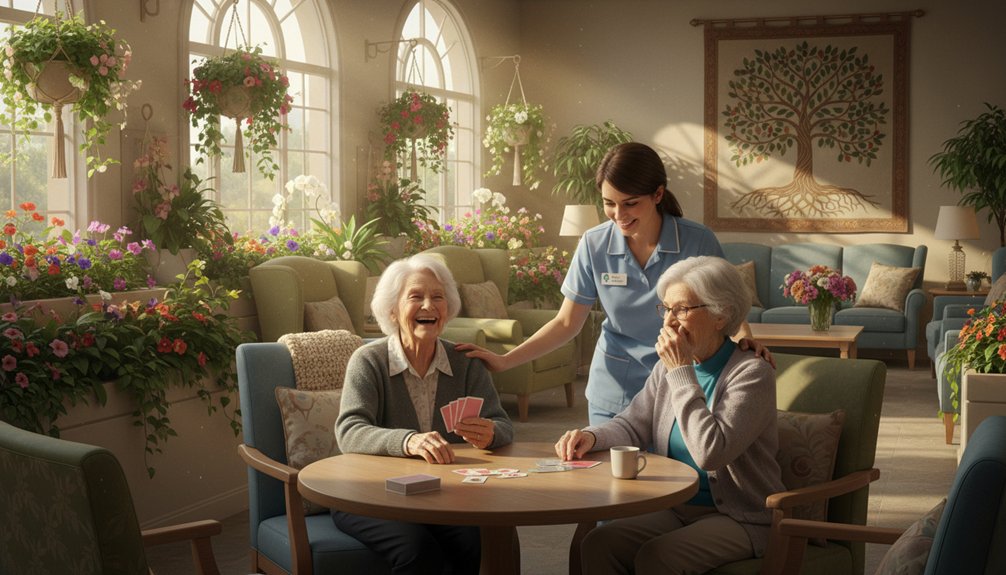
Group music and dance are natural icebreakers. Laughter over a missed beat, a shared chorus, or a favorite Sinatra track builds community fast.
- Resident-led moments: “Name that tune,” request boards, or themed playlists (Big Band, Motown, Island Sundays).
- Family involvement: Join a session, bring a favorite record, or share a wedding song—instant conversation starters.
- Routine that sticks: Short, consistent sessions (20–40 minutes) 2–3 times a week sustain benefits.
Easing Anxiety & Loneliness
Structured rhythm, predictable patterns, and warm encouragement reduce stress and create a safe space to belong. In a licensed care home like Commonwealth House, the favorable resident-to-staff ratio allows more one-on-one support—crucial for residents who are hesitant or newly transitioned.
Real-Life Wins (De-Identified)
- A former choir member finds her voice again during Tuesday sing-alongs—now she welcomes newcomers and helps hand out lyric sheets.
- A quiet gentleman who loved ballroom dancing enjoys “seated foxtrot” with staff support—his posture improves, and so does his smile.
- A small drum circle before dinner steadies the pace of the evening—meals start calmer, and conversation flows.
Getting Started at Commonwealth House (Warwick, RI)
Here’s how we weave music and movement into daily life:
- Personal music histories: We collect favorite artists, meaningful songs, and cultural influences.
- Right-fit sessions: Seated or standing, small groups or 1:1—always paced to the person.
- Gentle progression: Begin with simple rhythms; add light instruments or steps as confidence grows.
- Family touches: Photos, playlists, and stories make sessions more personal—and more effective.
Frequently Asked Questions
How can family support music & dance therapy?
Join when you can, share meaningful songs, bring simple instruments (shakers), and celebrate small gains. Consistency matters more than perfection.
Which music genres work best?
Whatever the resident loves. “Oldies,” jazz, big band, gospel, and regional favorites are common—but personal history wins every time.
Can this be done at home?
Yes. Create a safe space, set a comfortable volume, favor shorter sessions, and keep movements simple (clap, tap, sway).
What qualifications should a therapist have?
Look for degree-trained, credentialed music or dance/movement therapists with senior-care experience and excellent communication skills.
How often is ideal?
Two to three brief sessions per week typically sustain benefits, with informal “mini-moments” (one song before lunch) sprinkled in.
For Families Comparing Options in Warwick
Large, “big box” facilities (100+ residents) can deliver busy calendars, but intimacy is harder to maintain. In a small, licensed care home like Commonwealth House, residents see the same friendly faces, sessions are truly personalized, and progress doesn’t get lost in the crowd.
 By start