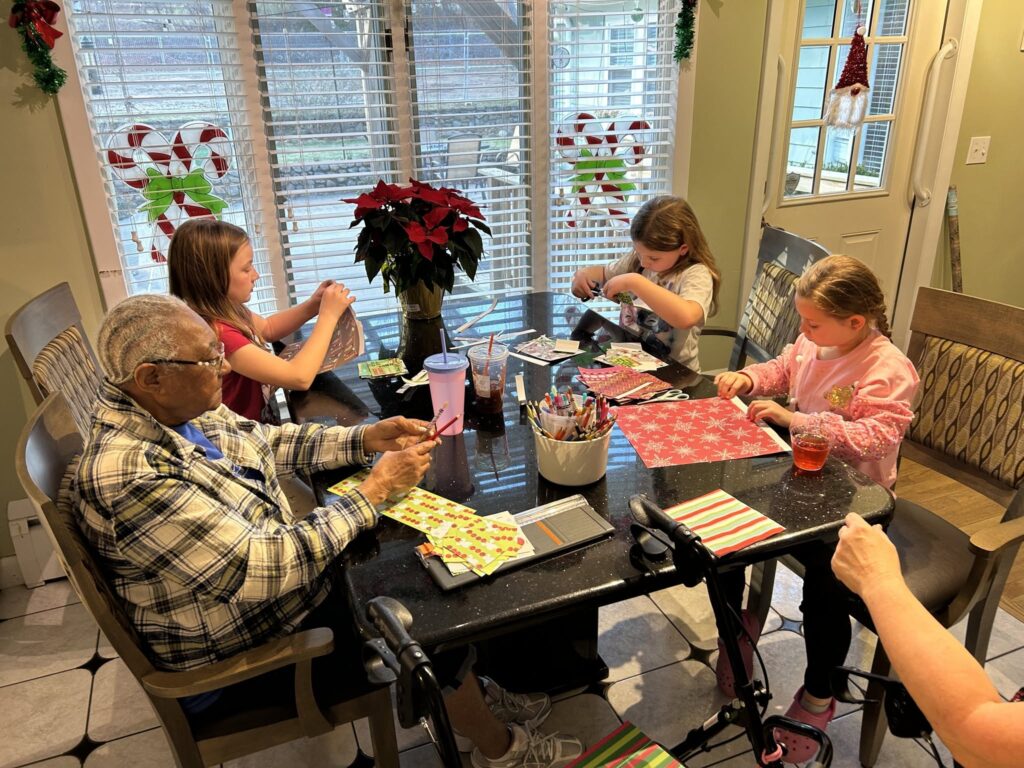
Consistent daily support helps you feel secure and comfortable by addressing your physical, emotional, and social needs. With regular check-ins, you gain a sense of stability, reducing feelings of isolation. Assistance with tasks like medication management and meal preparation boosts your independence while ensuring safety. Engaging with family and caregivers reinforces your value, promoting a positive outlook. You’ll discover even more ways daily support enhances your well-being as you explore further.
Key Takeaways
- Daily support enhances mobility and daily task management, fostering a sense of independence and security for seniors.
- Regular check-ins provide emotional reassurance, reducing feelings of isolation and promoting overall well-being.
- Consistent assistance with medication management ensures health stability, boosting confidence in daily living.
- Active engagement from family and friends reinforces belonging and combats loneliness, enhancing emotional comfort.
- Community programs offer valuable resources and social connections, empowering seniors to maintain their independence and dignity.
Why Daily Support Is Crucial for Seniors
When you consider the challenges seniors face, daily support becomes crucial for their well-being. Many seniors encounter difficulties with mobility, memory, and daily tasks, making consistent assistance important.
You can play a key role in ensuring they maintain independence and dignity. Regular support helps with medication management, meal preparation, and transportation, allowing seniors to navigate their routines more easily. Additionally, having someone check in daily fosters a sense of security, reducing feelings of isolation. Your presence not only addresses physical needs but also reassures them that they’re valued and cared for.
Moreover, a structured approach to medication management can significantly enhance their overall health and independence.
How Daily Support Boosts Seniors’ Emotional Well-Being
Daily support not only helps seniors manage their physical needs but also plays an essential role in enhancing their emotional well-being.
When you provide consistent assistance, you create a sense of stability that fosters feelings of safety and comfort. Regular interactions can help combat loneliness, allowing seniors to express their thoughts and emotions freely.
Consistent assistance fosters stability, combats loneliness, and encourages seniors to express their emotions, enhancing their overall well-being.
This connection boosts their self-esteem and promotes a positive outlook on life. By actively listening and showing genuine care, you empower seniors to share their experiences, making them feel valued.
Your daily presence can transform their day, reminding them they’re not alone. Ultimately, this emotional support helps seniors maintain a sense of purpose and joy, enriching their lives in meaningful ways. Furthermore, caregivers are trained to recognize when to step in and provide the right balance of assistance while promoting independence.
Family and Friends: Key Supporters for Seniors
While caregivers play an essential role in seniors’ lives, family and friends often serve as their key supporters. Your presence can make a significant difference in their emotional and mental well-being.
Regular visits, phone calls, or even simple messages show that you care and are thinking of them. These connections foster a sense of belonging, helping seniors feel more secure.
Encourage them to share their stories and memories; listening actively can strengthen your bond. Engaging in activities together—like playing games or taking walks—can create joyful moments and enhance their quality of life. Additionally, active family engagement not only improves residents’ mood but also reduces loneliness, further supporting their overall well-being.
How Community Programs Support Senior Independence
Seniors often thrive with support from family and friends, but community programs also play an essential role in promoting their independence. These programs offer important resources like transportation services, meal delivery, and social activities that help seniors remain engaged and active. By connecting them with local services, you empower them to manage daily tasks with ease.
Additionally, community centers provide opportunities for skill-building and lifelong learning, fostering a sense of purpose. Volunteer initiatives can enhance social connections, ensuring seniors don’t feel isolated. Programs like intergenerational activities create meaningful interactions that benefit both seniors and younger participants.
When you support these programs, you’re not just helping individuals; you’re strengthening the entire community. By working together, we can create an environment where seniors feel valued, secure, and able to live independently.
How Caregivers Help Seniors Stay Safe and Independent
When caregivers step in, they provide essential support that helps seniors maintain their safety and independence.
You’ll find that caregivers assess home environments, ensuring they’re free of hazards like clutter or poor lighting.
They assist with daily tasks, whether it’s meal preparation, medication management, or mobility support, which empowers seniors to live confidently. Additionally, caregivers create personalized care plans that cater to individual needs, ensuring optimal support and enhancing overall well-being.
How Consistent Support Maintains Senior Dignity
Consistent support plays an essential role in preserving the dignity of seniors, as it guarantees they feel valued and respected in their daily lives. When you offer steady assistance, you’re not just helping with tasks; you’re affirming their worth.
This reliable presence fosters a sense of security, allowing seniors to maintain their independence while knowing they’ve someone to lean on. By being attentive to their needs, you empower them to express their preferences and make choices, reinforcing their sense of self.
Regular check-ins and companionship can combat feelings of isolation, showing seniors that they matter. Ultimately, your consistent support creates an environment where they can thrive, enjoying their golden years with grace and honor. Additionally, the presence of trained staff 24/7 ensures that seniors receive timely assistance and care when they need it most.
Strategies for Implementing Daily Support Systems
Maintaining the dignity of seniors requires practical strategies for daily support systems. Start by evaluating individual needs; each senior is unique, so tailor your approach accordingly.
Establish a consistent daily routine that includes meals, social interactions, and physical activities. Encourage family involvement, as their presence can greatly enhance emotional well-being.
Utilize technology, like reminders or video calls, to keep seniors connected and engaged. Incorporate gentle reminders for medication or appointments to foster independence.
Regularly check in to reevaluate needs and make adjustments as necessary. Finally, promote a sense of community by organizing group activities or support groups, creating opportunities for seniors to share experiences and build friendships. Including options for personalized care plans can also address individual needs effectively.
Frequently Asked Questions
What Are the Signs a Senior Needs Daily Support?
If a senior struggles with daily tasks, has frequent memory lapses, shows increased confusion, or experiences changes in mood, they likely need daily support. Pay attention to their needs and offer assistance when necessary.
How Can Technology Assist in Daily Support for Seniors?
Technology can monitor daily activities, send reminders for medication, and facilitate communication. By using devices like smart home systems or health apps, you’ll enhance seniors’ independence while ensuring their safety and well-being.
What Is the Cost of Daily Support Services for Seniors?
Daily support services for seniors typically cost between $20 to $50 per hour, depending on location and service level. You can explore various options to find a plan that fits both your budget and their needs.
Are There Government Programs That Help Fund Support for Seniors?
Yes, there are government programs like Medicaid and the Older Americans Act that help fund support services for seniors. You can explore these options to guarantee they receive the care they need and deserve.
How Can Seniors Advocate for Their Own Support Needs?
Seniors can advocate for their support needs by clearly communicating their preferences, seeking out local resources, joining advocacy groups, and engaging family members. Empower yourself to voice your needs; it’s essential for your well-being.

 By sitemanagerwpmanagerio
 By start