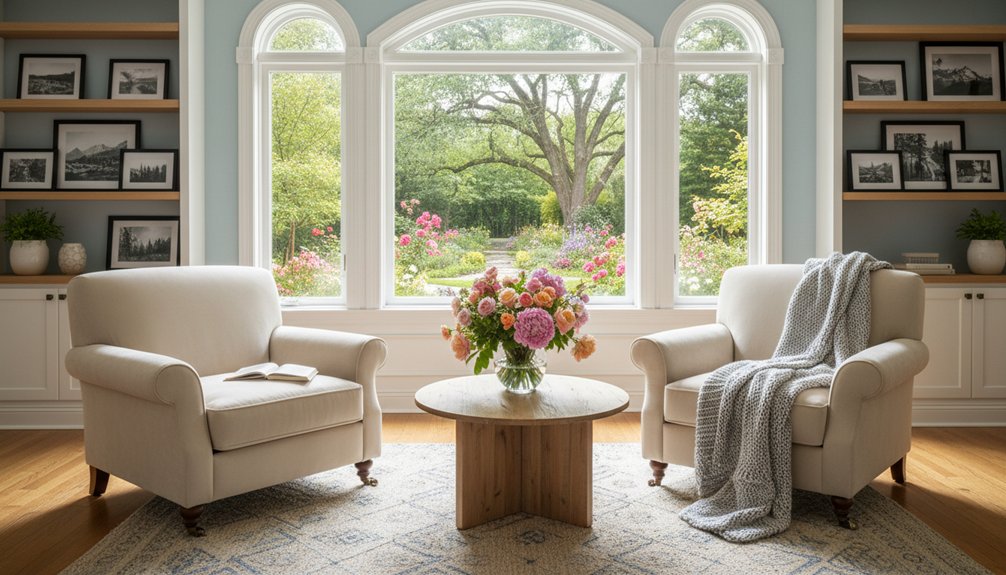
In a smaller assisted living home, you’ll experience a unique, personal touch that makes daily care feel truly individualized. With fewer residents, caregivers can focus more on your specific needs, fostering stronger relationships built on trust. The cozy atmosphere encourages social interaction, making you feel right at home. Plus, tailored activities enhance your well-being, ensuring you’re engaged and connected. If you’re curious about other benefits, there’s much more to discover!
Key Takeaways
- Smaller assisted living homes foster strong relationships between caregivers and residents, enhancing understanding of individual needs and preferences.
- Personalized care approaches create nurturing environments, making residents feel valued and understood in their daily lives.
- Tailored activities and smaller groups encourage meaningful interactions, promoting a sense of community and belonging among residents.
- Open communication among staff and residents builds trust, ensuring consistent and individualized care that addresses specific challenges.
- Family involvement in daily activities enriches experiences, reducing loneliness and improving the overall mood of residents.
Understanding Smaller Assisted Living Homes
When you consider assisted living options, smaller homes often stand out for their unique charm and personal touch. These intimate settings foster a warm, community feel that larger facilities may lack.
You’ll find that smaller homes typically house fewer residents, allowing staff to focus on individualized care. This means caregivers can build stronger relationships with each resident, understanding their unique needs and preferences.
Smaller homes foster individualized care, enabling caregivers to truly understand and meet each resident’s unique needs and preferences.
Moreover, the cozy environment encourages social interactions among residents, promoting a sense of belonging and companionship.
You’ll appreciate that decisions regarding activities and care can be more tailored to individual desires, enhancing quality of life. In smaller assisted living homes, the emphasis is on creating a nurturing atmosphere where everyone feels valued and understood. Additionally, personalized attention ensures that each resident receives care that aligns with their daily living preferences.
Unique Benefits of Smaller Assisted Living Homes
Smaller assisted living homes offer distinct advantages that can greatly enhance your loved one’s experience. With fewer residents, caregivers can dedicate more time and attention to each individual, fostering deeper connections.
This intimate setting often leads to a stronger sense of community, where everyone knows each other’s names and stories. You’ll find that staff members are more attuned to your loved one’s specific needs and preferences, making daily interactions more meaningful.
Additionally, smaller homes often provide a comforting atmosphere, reducing feelings of isolation and anxiety. Activities can be tailored to suit individual interests, encouraging participation and engagement. In this nurturing environment, your loved one can thrive, enjoying personalized care that truly respects their dignity and quality of life.
How Personalized Care Enhances Resident Well-Being
Personalized care greatly boosts resident well-being in smaller assisted living homes. When you tailor your approach to each resident’s unique needs, you create a nurturing environment that fosters trust and connection.
This attention to individual preferences helps residents feel valued and understood, contributing to their emotional health. By getting to know them personally, you can address specific challenges they face, whether it’s dietary restrictions or social interactions.
This proactive care approach not only enhances their daily experiences but also encourages independence and confidence. When residents see that their needs matter, their overall mood improves, leading to a more vibrant community atmosphere.
In smaller homes, your ability to offer personalized attention makes a meaningful difference in the lives of those you serve. Additionally, caregivers provide personalized support tailored to each resident’s needs, ensuring they receive the care that aligns with their lifestyle and preferences.
Customizing Activities in Smaller Assisted Living Homes
Scheduling smaller groups allows for deeper connections and more meaningful interactions. You can also involve families, encouraging them to share traditions or hobbies that residents cherish. When you focus on personalized activities, you’re not just filling time; you’re creating joyful experiences that enhance quality of life and nurture each resident’s unique spirit. This approach aligns with community connection as it fosters a sense of belonging and trust among residents.
Fostering Community and Belonging Among Residents
While fostering a sense of community and belonging among residents is essential, it also requires intentional efforts to create connections. You can encourage friendships by organizing small group activities that cater to shared interests. These gatherings allow residents to bond over hobbies or experiences, making them feel valued and understood.
Consider implementing regular communal meals where everyone can share stories and laughter, enhancing the familial atmosphere.
Additionally, you might establish a buddy system, pairing newer residents with those who’ve been there longer. This encourages mentorship and support, reinforcing relationships. Moreover, incorporating intergenerational programs can enrich resident experiences by connecting them with younger generations.
How Good Communication Leads to Better Care
Good communication is essential in smaller assisted living homes, as it directly impacts the quality of care residents receive. When you engage openly with residents, you create trust and understanding. This fosters a sense of safety, allowing them to express their needs and preferences more freely.
Regular check-ins and conversations help you stay attuned to any changes in their health or mood, ensuring timely adjustments to their care plans. Additionally, clear communication among staff members promotes teamwork, making sure everyone is on the same page. When you prioritize good communication, you not only enhance individual care but also nurture a supportive community where everyone feels valued and heard. Ultimately, this leads to a richer, more personalized experience for residents. Furthermore, active family engagement plays a crucial role in improving residents’ mood and reducing loneliness.
Tips for Choosing the Right Smaller Assisted Living Home
How can you guarantee that you find the right smaller assisted living home for your loved one? Start by visiting several options in person.
Pay attention to the environment—look for cleanliness, warmth, and a welcoming atmosphere. Talk to staff members; their passion for caregiving is vital. Ask about the resident-to-staff ratio to ensure personalized attention.
Inquire about daily activities and social events to confirm they align with your loved one’s interests. Remember to consider the benefits of a small-home model, as it often enhances the overall quality of care.
Don’t forget to seek feedback from current residents and their families; their insights can be invaluable.
Finally, trust your instincts. If a place feels right and meets your loved one’s needs, you’re likely on the right track. Finding the perfect fit is essential for their happiness and well-being.
Frequently Asked Questions
What Is the Typical Size of a Smaller Assisted Living Home?
A smaller assisted living home typically has 20 to 50 residents. This intimate size allows caregivers to foster close relationships with each individual, ensuring personalized attention and support tailored to their unique needs and preferences.
How Are Staff-To-Resident Ratios Determined in These Homes?
Staff-to-resident ratios in smaller assisted living homes depend on the level of care needed, the home’s licensing requirements, and the staff’s training. You’ll find that these factors guarantee personalized, attentive support for each resident.
What Types of Medical Services Are Available On-Site?
You’ll find various medical services on-site, including routine check-ups, medication management, physical therapy, and emergency care. These services guarantee you receive prompt attention, helping you maintain your health and well-being in a supportive environment.
Are Pets Allowed in Smaller Assisted Living Homes?
Yes, many smaller assisted living homes allow pets. They understand the joy and companionship pets bring, enhancing residents’ quality of life. You’ll find that having a furry friend can truly brighten your days.
How Can Families Stay Involved in Residents’ Daily Lives?
You can stay involved by visiting regularly, participating in activities, and communicating with staff. Sharing meals, planning special events, and engaging in meaningful conversations strengthen connections and show your loved one they’re valued and supported.
 By sitemanagerwpmanagerio
 By start