Calm, familiar spaces in assisted living play an essential role in your emotional well-being. They create a safe haven where you find comfort and reduce anxiety. Surrounded by beloved items and thoughtful design, you’ll feel a sense of belonging. Social connections strengthen friendships and foster a supportive community, enhancing your overall quality of life. These environments not only promote tranquility but also encourage interactions, keeping loneliness at bay. Discover how to enhance these spaces even further.
Key Takeaways
- Familiar spaces evoke comfort and nostalgia, reducing anxiety and fostering a sense of belonging in assisted living environments.
- Thoughtful design choices, like soft textures and natural light, promote security and well-being for residents.
- Social connections formed in these spaces enhance quality of life and combat loneliness among residents.
- Personalization of spaces with cherished items and communal areas encourages engagement and investment in the living environment.
- Tranquil settings promote mental health by lowering anxiety, improving focus, and encouraging meaningful interactions.
How Familiar Spaces Affect Emotions
When you step into a familiar space, it’s easy to feel a wave of comfort wash over you. This sense of familiarity can greatly impact emotions, creating a safe haven for residents.
You might notice how a beloved chair or a well-known painting can spark joy and nostalgia, fostering connections to cherished memories. These elements help reduce anxiety and promote a sense of belonging, essential for those adjusting to assisted living.
By surrounding residents with familiar items and spaces, you encourage emotional stability, making changes smoother. It’s crucial to recognize that these environments can enhance well-being, allowing individuals to thrive in a supportive community. Additionally, shared spaces for socialization play a vital role in enriching the emotional landscape of assisted living.
Your role in creating and maintaining these spaces can profoundly influence their emotional health.
Enhancing Comfort and Security Through Design Choices
Creating a comforting environment in assisted living isn’t just about aesthetics; it’s about designing spaces that promote security and well-being.
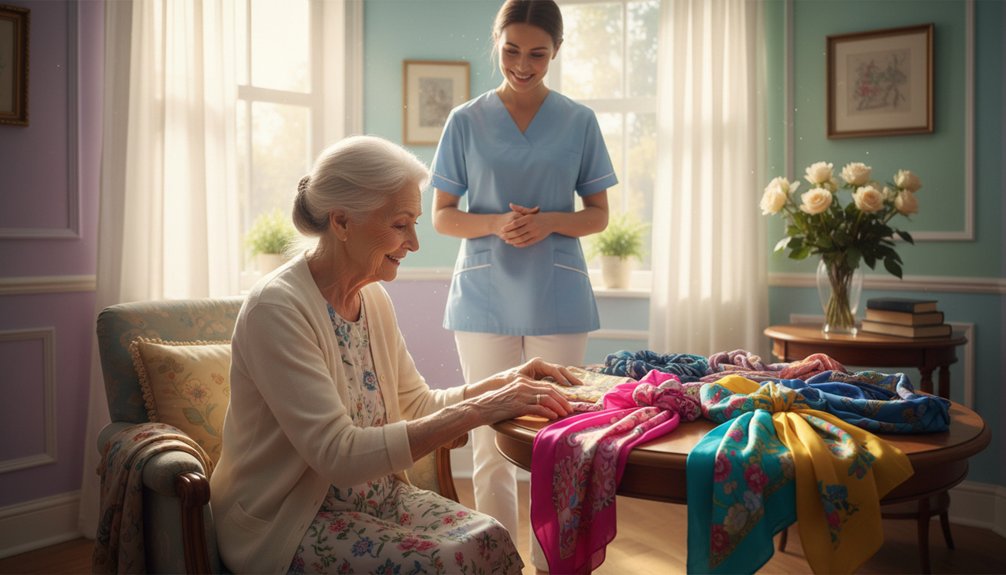
Thoughtful design choices can make a significant difference in how residents feel. Use familiar colors and soft textures to evoke a sense of warmth. Incorporate natural light and quiet areas to encourage relaxation.
Furniture should be arranged to foster easy movement and accessibility, ensuring everyone can navigate comfortably.
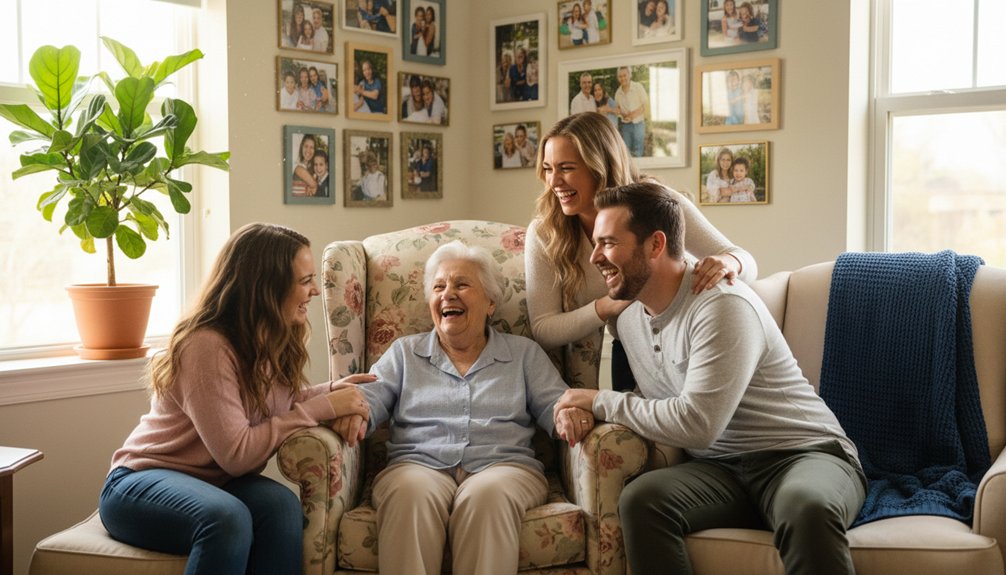
Additionally, placing personal items and photographs in shared spaces can help residents feel at home. Safety features like handrails and non-slip flooring enhance security, allowing residents to explore confidently. Moreover, thoughtfully designed spaces ensure ease of navigation, further contributing to a sense of safety and independence.
The Importance of Social Connections in Assisted Living
While social connections may seem secondary, they play an essential role in enhancing the quality of life for residents in assisted living. Engaging with others fosters a sense of belonging and reduces feelings of loneliness.
When you encourage friendships among residents, you’re not just providing companionship; you’re creating a supportive community that promotes emotional well-being. Regular social interactions can lead to improved mental health, boosting mood and cognitive function.
As you facilitate activities and gatherings, you’re helping residents form bonds that enrich their daily lives. Notably, volunteers bring energy, friendship, and purpose to senior communities, making these connections even more meaningful. Remember, it’s these connections that create a warm, inviting atmosphere, making assisted living feel like home.
Practical Steps to Foster a Home-Like Atmosphere
To foster a home-like atmosphere in assisted living, it’s essential to prioritize personalization and comfort. Start by encouraging residents to decorate their spaces with personal items, from family photos to favorite blankets. You can also create communal areas that reflect home-like qualities, such as cozy seating and warm lighting. Invite residents to participate in choosing colors and furnishings for shared spaces, making them feel invested in their environment. Regularly host activities that resonate with their interests, be it gardening, art, or music. Finally, guarantee staff members engage with residents warmly, creating relationships built on trust and familiarity. This approach mirrors the community setting that makes Commonwealth House unique and fosters emotional well-being.
Benefits of Tranquility in Assisted Living for Mental Health
A home-like atmosphere naturally sets the stage for tranquility, which plays a vital role in enhancing mental health in assisted living. When residents feel calm, their anxiety levels drop, promoting a sense of safety and belonging.
This peaceful environment encourages social interactions, helping to combat feelings of loneliness and isolation. Furthermore, tranquility fosters better focus and cognitive function, allowing residents to engage more meaningfully in activities.
You’ll notice that when individuals are at ease, they’re more likely to express themselves and connect with others. By prioritizing serene spaces, you’re not just improving comfort; you’re actively supporting the mental well-being of those you serve, creating a nurturing community where everyone can thrive. Additionally, slow Sundays provide opportunities for reflection and connection, enhancing the overall experience of residents.
Incorporating Personal Touches to Enhance Assisted Living Environments
Creating a warm and inviting atmosphere in assisted living starts with incorporating personal touches that reflect each resident’s unique personality and history. You can enhance their environment by displaying cherished photos, favorite artwork, or meaningful mementos.
Encourage residents to personalize their space with items that spark joy and comfort. Consider involving them in the selection of colors or themes for communal areas, fostering a sense of ownership.
Organizing activities that resonate with their past experiences not only enriches their daily lives but also promotes connection among residents. Remember, it’s these personal details that create a nurturing environment, helping residents feel valued and at home, ultimately enhancing their overall well-being. Additionally, incorporating community connection through group art projects can further strengthen relationships and promote emotional wellness among residents.
Your dedication to these touches makes all the difference.
How to Choose an Assisted Living Facility?
Choosing an assisted living facility can feel overwhelming, especially when considering the unique needs of your loved one. Start by listing their essential requirements, like medical care, mobility assistance, and social activities.
Visit potential facilities to assess their atmosphere; a calm, welcoming environment can make all the difference. Talk to staff and residents to gauge the level of care and community engagement.
Pay attention to cleanliness, safety features, and available amenities. Ask about personalized care plans, ensuring your loved one will receive tailored support. Additionally, inquire about the staff-to-resident ratio to ensure adequate attention and care for each resident.
Finally, consider the facility’s location for family visits. Remember, finding the right place is about balancing comfort, care, and connection, helping your loved one feel at home while receiving the support they need.
Frequently Asked Questions
What Are the Costs Associated With Assisted Living Facilities?
Assisted living costs vary, typically ranging from $2,000 to $6,000 monthly, depending on location and services. You’ll also encounter additional fees for personal care, meals, and activities, so budgeting wisely is essential.
How Do I Know if My Loved One Needs Assisted Living?
Look for signs like difficulty with daily tasks, frequent falls, or memory issues. If your loved one struggles to maintain independence or feels isolated, it might be time to contemplate assisted living for their well-being.
What Types of Activities Are Offered in Assisted Living?
Assisted living offers a variety of activities, including arts and crafts, fitness classes, game nights, and outings. You’ll find social events and educational workshops, ensuring your loved one stays engaged and connected with others.
Can Residents Personalize Their Living Spaces?
Yes, you can personalize your living space. Many residents add photos, decorations, or favorite furniture, creating a comfortable environment that reflects their personality and makes the space feel like home. It’s all about your comfort.
What Is the Staff-To-Resident Ratio in Assisted Living Facilities?
Typically, assisted living facilities maintain a staff-to-resident ratio of 1:5 to 1:10, depending on residents’ needs. This guarantees you receive personalized care, fostering a supportive environment where everyone feels valued and attended to.
 By sitemanagerwpmanagerio
 By start