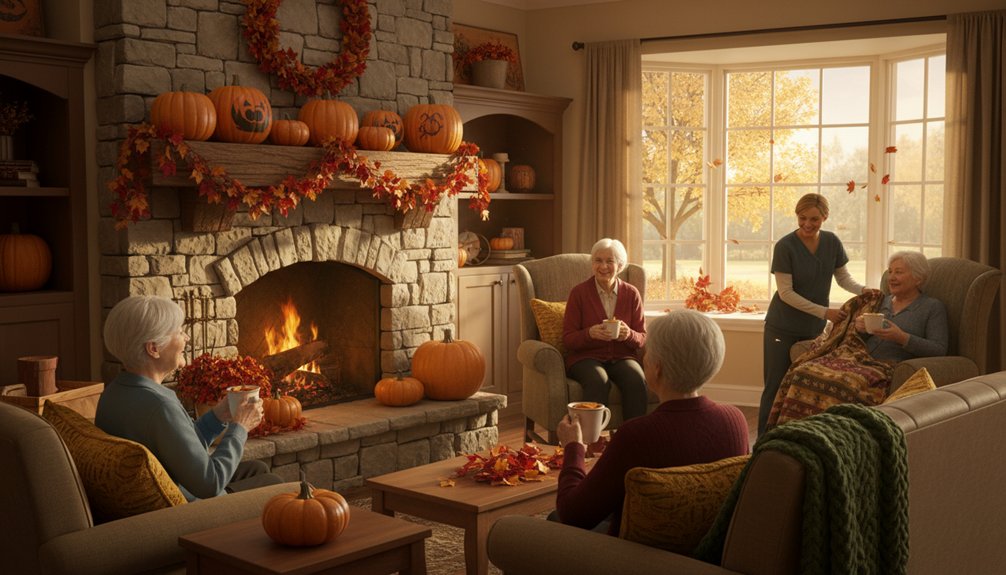
In a senior living community, micro-choices play a crucial role in enhancing the dignity and individuality of residents. These small daily decisions, such as selecting meals or choosing activities, can significantly foster a sense of autonomy and improve emotional well-being. Understanding the importance of these choices can help families and caregivers identify communities that prioritize resident empowerment.
When researching care options, consider the following specific choices that can transform a senior’s day-to-day experience:
- Meal Selection: Look for communities that allow residents to choose their meals, accommodating personal preferences and dietary needs.
- Activity Participation: Communities that offer a variety of activities, from arts and crafts to exercise classes, empower residents to engage in pursuits they enjoy.
- Daily Routines: Some communities may allow residents to determine their daily schedules, including wake-up times, bath times, and social engagements.
- Personal Space Customization: Opportunities for residents to personalize their living spaces can enhance their sense of belonging and comfort.
- Social Connections: Consider communities that facilitate meaningful social interactions, allowing residents to build friendships and support networks.
As you evaluate different communities, it’s essential to ask questions about how these micro-choices are implemented. This can provide insight into the community’s commitment to respecting residents’ individuality and promoting their quality of life. Always remember that services and policies can vary significantly between providers, so thorough research and open discussions with staff can lead to better-informed decisions for you or your loved one.
Key Takeaways
Micro-choices can significantly enhance the autonomy and dignity of residents in senior living communities. By allowing seniors to make small daily decisions, such as selecting their meals and choosing activities, these choices foster a sense of individuality and can boost self-esteem.
When researching care options for yourself or a loved one, it is important to consider how different communities prioritize personal preferences in their care routines. Caregiver training often emphasizes the value of listening to residents’ needs and preferences, which can help build trust and reinforce dignity in the care setting.
Engaging residents in micro-choices not only supports their emotional well-being but also helps combat feelings of isolation. Communities that actively promote these opportunities may provide a more enriching environment for older adults.
When visiting potential senior living communities, you might want to ask questions such as:
- How do you incorporate residents’ preferences into daily routines?
- What options are available for meals and activities?
- How are caregivers trained to respect and honor individual choices?
These inquiries can help you assess how a community might meet the needs of you or your loved one, ensuring a more personalized and dignified living experience.
Understanding Micro-Choices in Senior Care
When looking into care options for seniors, it’s important to understand the role of micro-choices in daily life. Micro-choices refer to the small decisions that older adults can make, such as selecting their meals, choosing what to wear, or deciding how they’d like to spend their day. These options can significantly influence their sense of autonomy and dignity.
Empowering seniors through these choices fosters an environment that respects their preferences and individuality. When older adults are engaged in decision-making, it can enhance their self-esteem and overall well-being. Furthermore, many assisted living communities prioritize social activities that promote engagement and combat loneliness, allowing residents to feel more connected and valued.
Empowering seniors through micro-choices enhances their self-esteem and fosters a sense of individuality and respect.
Here are some practical considerations for facilitating micro-choices in a senior living community:
- Meal Selection: Inquire about the variety of meal options available. Being able to choose from different dishes can make mealtime more enjoyable.
- Clothing Choices: Ask if residents have the opportunity to select their outfits each day. This can contribute to their comfort and self-expression.
- Daily Activities: Look for communities that offer a range of activities and allow seniors to choose how they spend their time. This can include hobbies, social events, or quiet time for reflection.
It is essential to actively listen to seniors, observe their reactions, and tailor support to meet their unique needs. Not all senior living communities provide the same level of personalization, so it’s beneficial to ask questions about how they encourage micro-choices and respect individual preferences.
The Importance of Autonomy for Seniors
Autonomy is a crucial aspect of life for seniors, significantly influencing their sense of identity and overall well-being. Supporting older adults in making their own choices allows them to maintain control over their lives, which fosters dignity and self-respect.
This freedom to make decisions, even regarding minor details, reinforces their individuality and helps mitigate feelings of isolation or helplessness. Encouraging autonomy also contributes to emotional health, as seniors often feel valued and understood when their preferences are honored.
This can include choices related to daily routines, social interactions, and personal interests, all of which signal that their opinions matter. When exploring senior living options, consider how different communities promote autonomy.
Key factors to evaluate may include:
- Personal Choice: How much control do residents have over their daily activities and schedules?
- Respect for Preferences: Are staff trained to honor individual preferences in care and lifestyle?
- Opportunities for Engagement: Does the community offer activities that align with residents’ interests, fostering both social interaction and personal fulfillment?
- Supportive Environment: How does the community ensure that residents feel valued and respected in their decisions?
Promoting autonomy in senior care settings ultimately enhances the quality of life for older adults, helping them experience fulfillment and joy in their everyday lives. Additionally, caregivers play a vital role in providing personalized support, which further reinforces the importance of autonomy in maintaining residents’ dignity and self-respect.
Examples of Micro-Choices in Daily Life
In daily life, the small decisions—often referred to as micro-choices—made by residents in a senior living community can significantly affect their overall well-being. For example, choosing what to eat for breakfast can have a profound impact. Selecting a nutritious meal not only provides energy but can also set a positive tone for the day ahead.
Another important micro-choice is selecting attire. Choosing comfortable and expressive clothing can help residents feel confident and engaged in their surroundings.
Deciding when to take breaks is also crucial for maintaining energy levels and mental clarity. Encouraging residents to engage in brief conversations with caregivers about their preferences fosters a sense of connection and respect, which is vital in any care setting.
These micro-choices empower residents, reinforcing their sense of autonomy and dignity. By acknowledging and embracing these small decisions, not only do residents enhance their own lives, but they also enrich the experience of those around them. Additionally, facilities that provide personalized care plans can further support residents in making choices that align with their health and wellness goals.
When researching senior living options, consider how communities support residents in making these micro-choices. It’s important to ask about meal options, dress codes, and opportunities for social interaction, as these factors can contribute to a more fulfilling and dignified living experience.
Enhancing Emotional Well-Being Through Choice
Making choices on a daily basis can significantly enhance the emotional well-being of seniors. These decisions allow older adults to express their individuality and maintain a sense of control in their lives. When seniors are empowered to make simple choices, such as what to wear or what to eat, it not only contributes to their comfort but also nurtures their self-esteem and dignity.
Empowering seniors to make daily choices enhances their emotional well-being, individuality, and sense of dignity.
Here are some practical ways to enhance emotional well-being through choice in a senior living community or care setting:
- Encourage Personal Preferences: Allow residents to voice their desires and preferences, which can help them feel valued and respected.
- Offer Options in Daily Activities: Providing choices in daily routines fosters engagement and maintains interest, which can improve overall satisfaction.
- Listen Actively to Their Choices: Acknowledging and validating their decisions reinforces the importance of their autonomy.
Fostering an environment where seniors can make choices contributes positively to their emotional health and overall quality of life. Furthermore, a favorable resident-to-staff ratio can ensure that individual preferences are truly heard and honored.
When researching care options, consider how different communities support individual preferences and encourage decision-making among their residents.
Training Caregivers to Prioritize Micro-Choices
Recognizing the significant role that daily choices play in the emotional well-being of seniors, it’s important for caregivers to prioritize micro-choices in their approach to care.
By focusing on small decisions, caregivers can empower residents and uphold their dignity.
To effectively train caregivers in this practice, consider the following strategies:
- Encourage Awareness: Help caregivers understand the importance of everyday choices such as meal options and activity preferences, which can significantly affect a resident’s mood and engagement.
- Role-Playing Exercises: Implement scenarios that allow caregivers to practice offering choices. This can help them feel more comfortable in their interactions and ensure they’re attentive to the needs of residents.
- Feedback Loops: Establish opportunities for caregivers to share their experiences and learn from one another. This collaborative approach reinforces the value of micro-choices and supports continuous improvement in care.
Additionally, training should emphasize the significance of personalized care to meet the unique needs of each resident and enhance their overall quality of life.
Building Trust and Respect With Residents
Building trust and respect with residents is a fundamental aspect of creating meaningful relationships in senior living communities. This process often begins with actively listening to the needs and preferences of older adults. Demonstrating genuine interest in their experiences and stories can help cultivate a strong sense of belonging.
Here are several practical ways to foster trust and respect:
- Encourage Independence: Provide opportunities for residents to make choices in their daily activities. This not only empowers them but also allows for personal expression and autonomy.
- Be Consistent: Following through on commitments is vital. Reliability in care can help build confidence among residents, assuring them that their needs will be met.
- Communicate Openly: Transparency is key in fostering trust. Sharing information and inviting questions can create an environment where residents feel valued and understood. Additionally, offering personalized care tailored to each resident’s preferences can significantly enhance their sense of autonomy and dignity.
The Impact of Micro-Choices on Quality of Life
When exploring senior living communities, it’s important to recognize how the ability to make micro-choices can significantly impact the quality of life for residents. These small decisions—such as selecting daily outfits or meal preferences—empower older adults and foster a sense of autonomy within their care setting.
- Enhances Dignity: Allowing residents to express their preferences can help them feel respected and valued in their community.
- Boosts Mood: Engaging in simple choices may uplift spirits and contribute to a greater sense of fulfillment throughout the day.
- Encourages Independence: Facilitating opportunities for choice nurtures a sense of control over their environment and daily activities.
These micro-choices can contribute to an atmosphere where seniors thrive, supporting both physical health and emotional well-being. At Commonwealth House, the commitment to personalized care ensures that residents can make choices that reflect their individual preferences and lifestyles.
Micro-choices foster an environment for seniors to flourish, enhancing both their physical health and emotional well-being.
When researching care options, consider how a community emphasizes these decisions, as even small actions can lead to meaningful improvements in the lives of residents.
Encouraging Social Interaction Through Personal Preferences
Encouraging social interaction among seniors can thrive when personal preferences are considered, as these choices often pave the way for deeper connections. Recognizing individual likes and dislikes allows for the creation of opportunities for meaningful engagement in a senior living community.
- Involve seniors in activity selection: Engage residents by asking about their favorite hobbies or interests, which can lead to tailored activities that resonate with them.
- Create themed gatherings: Organize events such as book clubs or gardening groups that align with the interests of the residents, fostering a sense of belonging and shared purpose.
- Facilitate friendships: Pair residents with similar interests, enabling them to bond over shared passions and enhancing their social circles. Additionally, incorporating intergenerational programs can further enrich their social experiences and sense of purpose.
Overcoming Challenges in Implementing Micro-Choices
Implementing micro-choices in senior care can present challenges, especially when trying to balance individual preferences with the practical aspects of daily care.
Here are some strategies that can help create a more personalized experience for residents in senior living communities:
- Open Communication: Engage residents in conversations about their preferences. Actively listening to their needs can help build trust and foster a better understanding between residents and staff.
- Staff Training: Ensure that staff members are trained to recognize the value of offering choices. Providing them with the skills necessary to facilitate small decisions can enhance residents’ sense of dignity and autonomy.
- Flexibility in Routines: Develop routines that are adaptable to individual preferences. This flexibility allows staff to honor residents’ unique preferences while still fulfilling essential care requirements.
- Encouraging Feedback: Create opportunities for residents and their families to share their thoughts on the choices available. This input can be invaluable in refining and improving the options offered to better meet the needs of the community.
- Family Involvement: Encouraging family participation in care planning can help ensure that residents feel supported and their individual preferences are respected.
Creating a Culture of Choice in Senior Living Environments
Creating a culture of choice in senior living environments is essential for supporting the unique preferences and desires of each resident. By promoting autonomy in daily activities, seniors are encouraged to make decisions regarding their routines, meals, and social engagements, which can significantly enhance their quality of life.
Promoting autonomy in senior living enhances quality of life by empowering residents to make meaningful choices in their daily routines.
Here are some practical strategies to consider when exploring senior living options:
- Involve Residents: Communities often seek regular feedback from residents on activities and dining choices, ensuring that their voices are heard and valued.
- Personalize Care Plans: It’s important for communities to tailor care approaches based on the individual interests and needs of each resident, allowing for a more customized living experience.
- Create Flexible Schedules: Many communities offer flexible scheduling, enabling residents to choose when they participate in activities or have their meals, fostering a sense of independence.
Implementing these strategies can contribute to an environment where residents feel respected and dignified. Regular assessments ensure that care plans are continuously adapted to match changing health needs, further enhancing the support of resident autonomy.
When researching senior living options, consider how each community incorporates these practices to support resident autonomy and enhance overall well-being.
Frequently Asked Questions
How Can Family Members Support Micro-Choices in Senior Care?
To support micro-choices in senior care, it’s important to engage with your loved one on a regular basis. This can involve asking open-ended questions that explore their preferences regarding meals, activities, and daily routines.
Encouraging independence is crucial; allowing older adults to make simple decisions—such as what to wear or when to take a walk—can significantly enhance their sense of agency.
Here are some practical ways to facilitate this process:
- Ask Open-Ended Questions: Inquire about their likes and dislikes to understand their preferences better.
- Encourage Decision-Making: Provide opportunities for them to choose among options, fostering a sense of control over their daily life.
- Practice Active Listening: Show that you value their opinions by listening attentively and responding to what they share.
- Be Patient: Allow them the time they need to express their thoughts and feelings, which helps build trust and respect.
Your involvement can empower older adults, enhancing their dignity and personal agency in their care.
Remember that every senior living community may offer different levels of support and opportunities for choice, so it may be helpful to inquire about the specific practices and policies of each community you consider.
What Are the Risks of Limiting Choices for Seniors?
Limiting choices for seniors can significantly impact their emotional well-being and sense of autonomy. When options are restricted, older adults may experience feelings of helplessness and a decline in self-esteem, both of which are crucial for maintaining dignity.
The potential consequences of reducing choices include:
- Increased feelings of depression or anxiety
- Resistance to receiving care or support
- A decline in overall well-being and quality of life
Encouraging seniors to participate in decision-making, even in small ways, can help restore a sense of control and empowerment. This engagement is important for their mental health and overall happiness.
When considering care options for yourself or a loved one, it’s essential to explore how each community supports resident autonomy and choice.
Here are some questions to ask:
- How does the community encourage residents to make decisions about their daily routines and activities?
- What options are available for personalizing their living space or care plan?
- How do staff members support residents in expressing their preferences?
Supporting older adults in making choices in a care setting is fundamental to enhancing their quality of life and ensuring they feel respected and valued.
How Do Micro-Choices Affect Caregivers’ Workload?
Micro-choices can play a significant role in reducing the workload for caregivers in senior living communities. When older adults are empowered to make small decisions, such as selecting their meals or activities, it encourages a sense of independence. This autonomy can decrease the need for constant supervision and guidance, allowing caregivers to concentrate on more critical caregiving tasks.
Here are some benefits of fostering micro-choices in care settings:
- Promotes Independence: Allowing seniors to make their own choices can enhance their self-esteem and maintain their dignity.
- Improves Care Quality: Caregivers can dedicate more time and attention to essential care needs when they aren’t preoccupied with minor decisions.
- Creates a Positive Environment: Empowering residents often leads to a more relaxed atmosphere, which can lower stress levels for both seniors and caregivers.
- Enhances Engagement: Residents who are involved in decision-making are often more engaged in their care and surroundings.
As families consider various senior living options, it’s important to inquire about how each community supports resident autonomy and decision-making.
Understanding the approach to micro-choices can help in selecting a setting that aligns with the needs and preferences of your loved one.
Are There Specific Tools to Facilitate Micro-Choices?
Yes, there are specific tools that can help facilitate micro-choices for seniors in care settings. These tools can enhance residents’ autonomy and involvement in their daily lives. Here are some options to consider:
- Choice Boards: These visual aids display a variety of options for daily activities, allowing residents to express their preferences effectively. They can be particularly useful in helping seniors decide what they want to do or participate in each day.
- Personalized Care Plans: Tailored plans that outline various care options can ensure that residents feel more engaged in their care. By including input from the resident and their family, these plans can reflect individual preferences and needs.
- Apps: Digital platforms designed for seniors can provide an easy way for them to select meals, activities, or caregivers. These applications often promote independence and encourage residents to make choices that suit their lifestyle.
Implementing these tools can empower older adults to make meaningful choices, enhancing their dignity and control in everyday life.
When exploring senior living options, it may be helpful to inquire about the availability of these resources as they can significantly contribute to a positive living experience.
How Can Micro-Choices Be Measured for Effectiveness?
To measure the effectiveness of micro-choices in senior living communities, consider tracking the following key indicators:
- Feedback: Regularly solicit input from residents about their satisfaction with the choices they’re offered. This can provide valuable insights into how these choices are perceived.
- Behavioral Changes: Observe any noticeable shifts in engagement or mood following the decision-making process. This can help identify how choices impact daily life.
- Quality of Life: Assess any improvements in residents’ daily routines and overall well-being. This can include evaluating how these choices affect their independence and sense of empowerment.
By gathering and analyzing this data, families and caregivers can gain a clearer understanding of how these small decisions influence residents’ dignity and well-being.
This allows for a more informed approach to care and community engagement.

 By start