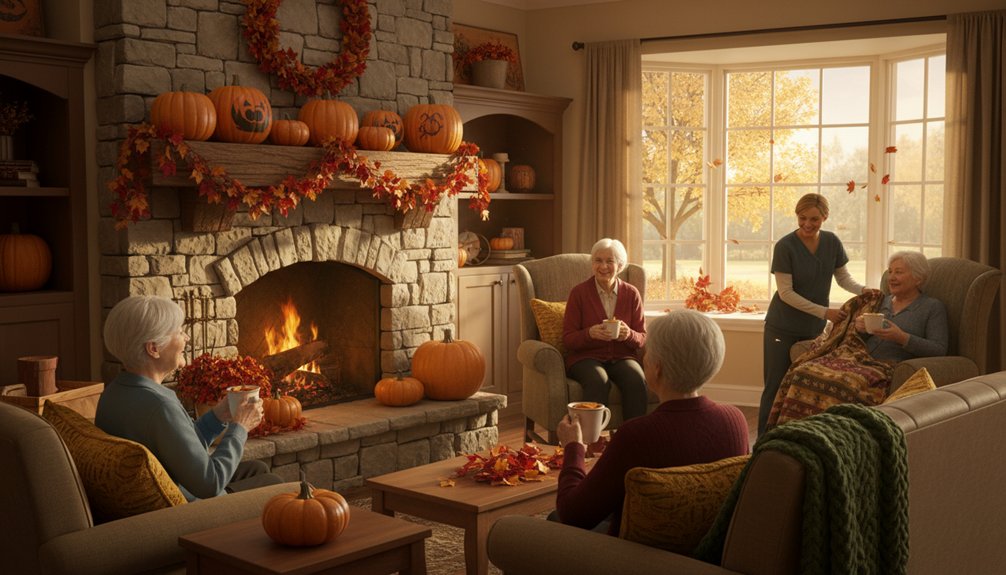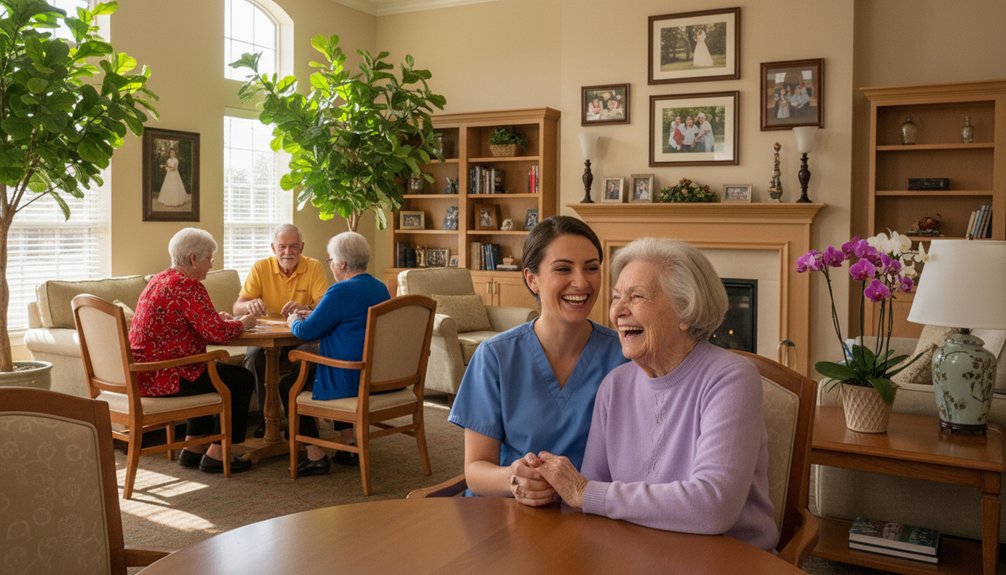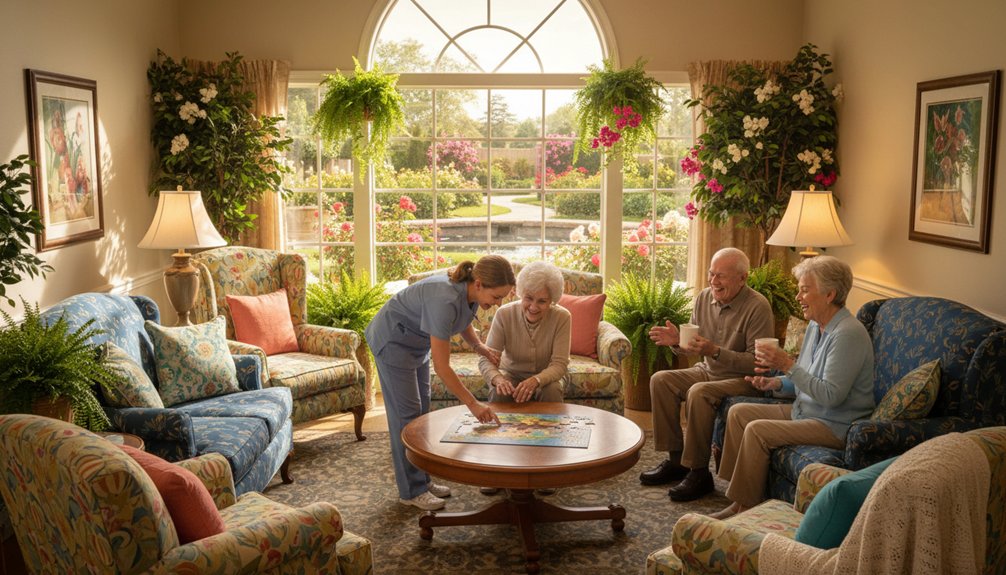
When considering the well-being of older adults, calm and consistent support is crucial for enhancing mental health. This type of support can help reduce feelings of loneliness and anxiety while also promoting meaningful social connections. Creating a stable environment and providing personalized care can significantly improve quality of life for seniors.
Here are some practical ways to implement effective support for older adults:
- Understand Individual Needs: Every resident has unique preferences and requirements. Taking the time to understand these can foster a more supportive and responsive environment.
- Encourage Social Engagement: Facilitating opportunities for residents to connect with others can help build friendships and combat isolation. Look for communities that offer social activities and group outings.
- Focus on Consistency: A familiar routine can provide comfort and security. This can involve regular schedules for meals, activities, and personal care.
- Personalized Care Plans: Work with care providers to develop tailored care plans that address the specific needs of each resident, focusing on their physical, emotional, and social well-being.
- Open Communication: Maintain open lines of communication with caregivers and family members. This ensures that everyone involved is informed about the resident’s needs and any changes in their condition.
- Evaluate Community Services: Different senior living communities may offer varied services and support options. It’s important to compare and inquire about the specific amenities, activities, and healthcare support each community provides.
By understanding these elements and how they interact, families and caregivers can make informed decisions about the best care options for their loved ones.
Key Takeaways
Calm and consistent support plays a vital role in enhancing the emotional well-being of older adults. Research shows that this type of support can significantly reduce feelings of loneliness and anxiety, which are common challenges for many seniors.
A predictable caregiving environment can promote stability and decrease daily stressors, ultimately contributing positively to mental health. When considering senior living options, it is important to assess how a community fosters a stable atmosphere, as this can greatly influence the daily experience of residents.
Personalized emotional support from caregivers is another essential factor. Caregivers who understand and address individual needs can help foster resilience and potentially reduce symptoms of depression among older adults. When evaluating care settings, inquire about how caregivers are trained to provide emotional support and whether they take the time to understand each resident’s unique preferences and needs.
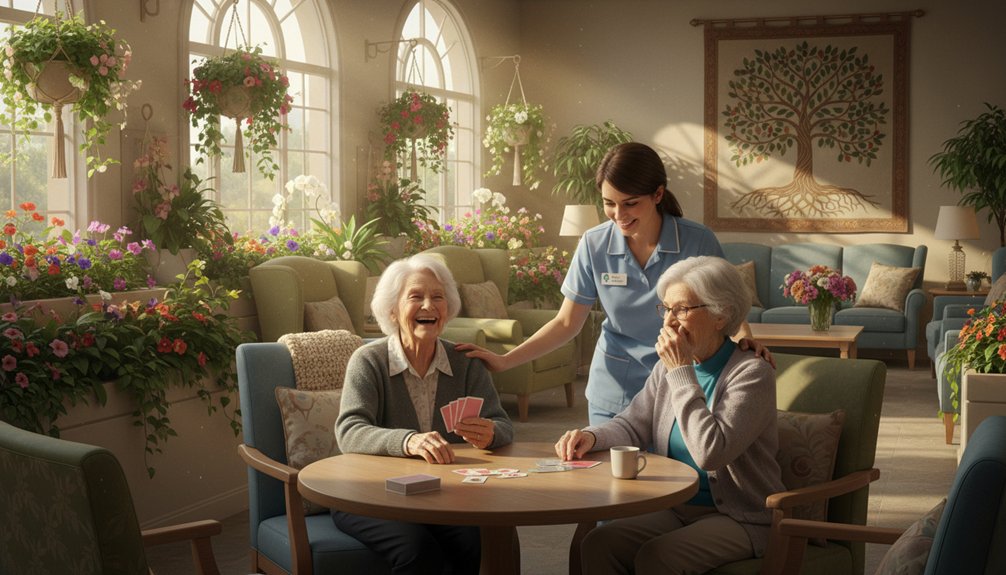
Regular check-ins and compassionate interactions are key to building meaningful connections, which can alleviate social isolation. Look for communities that prioritize personal interactions and have systems in place for regular engagement between staff and residents.
Moreover, structured routines and opportunities for community engagement are critical in improving the overall quality of life for seniors. A consistent daily schedule can help residents feel more secure and promote a sense of autonomy. When researching potential senior living communities, consider how they incorporate routines and community involvement into their care approach.
As you explore options for yourself or a loved one, take the time to ask questions about the support services provided, the training of caregivers, and how the community fosters social connections and emotional well-being. These factors can significantly influence the quality of care and the overall experience of residents.
The Impact of Emotional Support on Mental Health
Emotional support is a vital component of maintaining mental health, particularly for older adults navigating the complexities of later life. Research indicates that positive social support can significantly reduce symptoms of depression and act as a buffer against stress. In fact, approximately 15% of adults aged 70 and over live with a mental disorder, highlighting the importance of emotional support in this age group.
Emotional support is essential for older adults, helping to alleviate depression and stress during life’s later challenges.
When you offer calm and constructive emotional support, you can help lessen the adverse effects of stress and encourage resilience. It’s important to be a reliable presence that fosters trust and understanding. Caregivers’ ability to provide personalized support enhances the emotional well-being of residents by addressing their unique needs.
Encouraging older adults to maintain connections with trusted friends can lead to more effective coping strategies during challenging times, such as dealing with chronic illness or the loss of a loved one.
Here are some considerations for providing emotional support in a senior living community or care setting:
- Encourage Social Connections: Help older adults stay connected with friends and family. Regular communication can be beneficial for their emotional well-being.
- Promote Trust and Understanding: Foster an environment where residents feel safe and understood. This builds trust and enhances the support they receive.
- Support Coping Strategies: Engage in discussions about feelings and coping methods. This can empower older adults to manage stress and emotional challenges more effectively.
- Be a Consistent Presence: Being available consistently can help create a sense of stability and security for seniors.
Prioritizing emotional support can significantly impact the mental health of older adults, creating a nurturing environment that promotes healing and connection.
Enhancing Quality of Life Through Social Connections
Social connections play a crucial role in enhancing the quality of life for older adults, building on the importance of emotional support. Fostering relationships is vital in combating social isolation, which can lead to significant declines in overall well-being.
Research indicates that approximately one-quarter of older Americans experience social isolation, resulting in feelings of loneliness and decreased autonomy. Additionally, social isolation has been shown to negatively impact cognitive aging, making it even more crucial for older adults to remain engaged with their communities. Family councils can serve as a valuable resource for advocating for policies that enhance social connections among residents.
Engaging with others can have positive effects on emotional health as well as physical and cognitive functioning. Meaningful connections can help seniors maintain their independence, encourage health-promoting behaviors, and enhance their daily routines.
Here are some key considerations regarding social connections in senior living or care settings:
- Community Engagement: Look for communities that offer opportunities for residents to engage with one another through social activities, clubs, or events. This can significantly reduce feelings of isolation.
- Supportive Environment: A supportive atmosphere where residents feel comfortable and encouraged to interact is essential. Consider how staff facilitate socialization among residents.
- Health and Well-Being: Engaging socially can lead to healthier lifestyle choices and routines. Ask about programs that promote physical activities and wellness through group engagement.
- Independence and Dignity: Prioritizing social interactions helps older adults maintain their dignity and joy. Inquire how the community fosters autonomy while encouraging social participation.
When researching care options for yourself or a loved one, it’s important to consider how each community supports social connections. This can be a significant factor in enriching lives and building resilience against the challenges of aging.
The Role of Consistent Caregiving in Emotional Well-Being
Consistent caregiving is crucial for promoting the emotional well-being of older adults, as stable and supportive interactions can significantly enhance their quality of life. When caregivers manage their own mental health effectively, seniors often report fewer depressive symptoms, which is particularly beneficial for those living with dementia. Informal caregivers of older adults provide essential support that can alleviate feelings of loneliness and isolation among seniors. Families are encouraged to advocate for residents when they cannot express themselves, keeping a journal of concerns and maintaining open communication with staff.
Implementing family-centered care models and offering respite support can further improve emotional outcomes for residents.
However, it’s important to recognize that high-intensity caregiving can lead to caregiver distress, potentially creating an emotionally challenging environment. Supporting caregivers in developing resilience and self-compassion is essential, as these traits can reduce their psychological strain, contributing to a calmer and more stable atmosphere for older adults. Regular check-ins with staff can also enhance communication and collaboration, fostering a supportive environment for both caregivers and residents.
Prioritizing consistent caregiving fosters a nurturing environment that supports emotional well-being and helps build meaningful connections between caregivers and residents.
When exploring senior living options, consider the following factors related to consistent caregiving:
- Caregiver Support: Inquire about the resources available for caregivers, including training and respite care.
- Caregiver Well-Being: Ask how the community supports the mental health of its caregivers, as this directly affects the quality of care provided.
- Family-Centered Care: Investigate whether the community offers family involvement in care plans and activities, as this can enhance emotional connections.
- Caregiver-Resident Relationships: Look for communities that emphasize stable caregiver assignments to help build trust and familiarity with residents.
Addressing Loneliness and Anxiety in Older Adults
Loneliness and anxiety are significant concerns for many older adults, often leading to a cycle that can worsen both emotional well-being and mental health. Approximately one-third of older adults report experiencing feelings of loneliness, which can be closely linked with conditions such as depression and anxiety. To support older adults in managing these feelings, consider the following compassionate approaches:
- Regular Check-Ins: Simple phone calls or visits can help reduce the sense of isolation that many seniors experience.
- Encourage Social Activities: Engaging in community events or group activities can help older adults build connections and alleviate feelings of loneliness. Creating a calm environment can enhance their comfort and promote relaxation during these interactions.
- Promote Open Conversations: Encouraging them to share their feelings can lighten their emotional burden and foster a sense of connection. Additionally, the prevalence of loneliness among older adults highlights the urgent need for effective interventions.
These strategies can be valuable when evaluating senior living options, as a supportive environment can greatly enhance the quality of life for residents. When exploring care settings, it may also be beneficial to inquire about the community’s approach to social engagement and mental wellness.
Building Resilience Through Social Support
As older adults navigate the challenges of aging, building resilience through social support is vital for enhancing overall well-being. Research indicates that a strong perception of social support, particularly from family, significantly strengthens psychological resilience in seniors. By fostering meaningful relationships, older adults can improve their capacity to manage stress and alleviate feelings of loneliness.
Here are some important considerations regarding social support:
- Family Support: Maintaining strong connections with family members can provide a crucial foundation for emotional stability and a sense of belonging.
- Community Engagement: Actively participating in community activities, such as local clubs or volunteer opportunities, can help seniors build social networks and foster new friendships. Many communities, like Commonwealth House, offer intergenerational programs that enrich social experiences and purpose.
- Positive Interactions: Regular engagement with others promotes positive experiences, which can enhance emotional health and overall quality of life. Additionally, studies highlight the significance of resilience in aging populations, demonstrating how it contributes to better mental health outcomes.
When exploring senior living or care options, it may be beneficial to consider how each community facilitates social connections. Look for programs or activities that encourage interaction among residents and with the broader community.
This approach can significantly impact emotional well-being and resilience as seniors age.
Creating Predictable Environments for Improved Health
Creating a predictable environment is crucial for the health and well-being of older adults. It can help minimize stressors that might affect their daily lives and significantly enhance their quality of life. Here are some practical strategies to consider when exploring senior living options:
- Neighborhood Safety: Look for communities that prioritize safety and order. Research shows that safer environments are associated with lower levels of depression and better physical health in seniors.
- Well-Designed Spaces: Consider communities that offer well-lit areas and clear layouts. These features can help prevent falls, particularly for residents who may have cognitive challenges. Additionally, age-friendly environments significantly impact the quality of aging, emphasizing the importance of thoughtful design.
- Balanced Routines: Seek out options that provide structured routines encouraging mental engagement and a variety of activities. This can be beneficial for maintaining cognitive health.
- Sleep-Supportive Environments: Investigate whether the community prioritizes sleep-friendly settings, as good sleep can lower fall risks and contribute to overall well-being.
Frequently Asked Questions
How Can Emotional Support Be Measured in Older Adults?
To gauge emotional support in older adults, several validated tools can be beneficial. These assessments help identify the level of support residents feel they receive from their community, family, friends, and significant others.
Here are some commonly used tools:
- Multidimensional Scale of Perceived Social Support (MSPSS): This scale evaluates the perceived support from family, friends, and significant others, providing insights into the emotional backing older adults feel they’ve in their lives.
- Medical Outcomes Study Social Support Survey (MOS-SSS): This survey measures both emotional and tangible support, helping to understand how well older adults’ emotional needs are being met.
- F-SozU: This is a brief scale that effectively assesses perceived support, making it easier for residents to express their feelings and experiences.
Using these tools can ensure that the emotional needs of older adults are understood and addressed.
When researching senior living options, consider asking about how emotional support is assessed and integrated into the care provided, as different communities may have varying approaches to supporting their residents’ emotional well-being.
What Types of Activities Foster Emotional Support Among Seniors?
To foster emotional support among seniors, there are several activities that can be beneficial in a senior living community or care setting:
- Group Arts: Participation in creative activities such as painting, music, or dance can enhance self-expression and help residents connect with one another. These activities often create a sense of belonging and encourage social interaction.
- Physical Wellness: Organizing group exercise classes can be an effective way to enhance emotional well-being while also promoting physical health. Such classes can help residents build friendships and support networks.
- Intergenerational Programs: Facilitating opportunities for seniors to engage with younger individuals can foster meaningful relationships and reduce feelings of isolation. These interactions may provide valuable social engagement and learning opportunities.
- Hobbies: Encouraging involvement in hobbies, such as gardening or crafting, can help boost self-esteem and provide a sense of accomplishment. These activities allow residents to explore their interests and share experiences with others.
When researching potential care options, consider what types of activities are offered and how they align with your or your loved one’s interests.
The availability of these activities can significantly impact the emotional support and overall well-being of residents.
Are There Specific Programs for Enhancing Emotional Support in Nursing Homes?
Yes, many senior living communities offer specific programs aimed at enhancing emotional support for residents. These programs can play a vital role in improving the emotional well-being of older adults. Here are some common options you may find:
- Mental health support groups: These groups provide a space for residents to connect and share their experiences, fostering a sense of community and reducing feelings of isolation.
- Group counseling: Participating in group counseling can be beneficial for residents, as it often helps to alleviate feelings of loneliness by encouraging interaction with peers.
- Reminiscence therapy: This therapeutic approach focuses on discussing past experiences and memories, which can strengthen emotional connections among residents and staff.
- Art therapy: Engaging in creative activities can boost self-esteem and encourage self-expression, providing an outlet for emotions and enhancing overall happiness.
- Staff training programs: Many communities invest in training staff to develop strong communication skills, enabling them to provide empathetic and effective support to residents.
When researching care options, consider asking about the availability of these types of emotional support programs.
Services can vary significantly by community, so understanding what each option provides can help you make an informed decision for yourself or a loved one.
How Does Emotional Support Impact Physical Health in Older Adults?
Emotional support is vital for the physical health of older adults. Strong emotional connections can significantly reduce feelings of loneliness, depression, and anxiety, which are linked to various health issues and even premature death. Research indicates that increased social support can lower mortality risks, especially for seniors dealing with chronic illnesses.
When considering senior living options, it’s important to evaluate how a community fosters emotional well-being among its residents. Here are some factors to consider:
- Community Engagement: Look for communities that encourage social interactions through group activities, events, or clubs. This can help residents build friendships and feel part of a supportive network.
- Personalized Support: Some communities offer individualized emotional support services, which can include counseling or access to mental health resources. Understanding these offerings can be crucial for those who may need additional assistance.
- Staff Training: Inquire about how staff members are trained to support residents emotionally. Compassionate and attentive caregiving can make a significant difference in a resident’s quality of life.
- Family Involvement: A community that encourages family visits and involvement can help maintain strong emotional ties, which is beneficial for the well-being of older adults.
- Communication Opportunities: Check if the community provides platforms for residents to express their feelings or concerns, fostering an environment where emotional needs are acknowledged and addressed.
What Role Do Pets Play in Providing Emotional Support for Seniors?
Pets can significantly enhance the emotional well-being of seniors in various ways:
- Combating Loneliness: Pets provide companionship, which can help reduce feelings of isolation that many older adults experience, especially if they live alone or in a new community.
- Boosting Mood: Engaging with pets has been shown to lower anxiety and depression, thereby improving overall emotional health and happiness.
- Encouraging Routine: The responsibility of caring for a pet often encourages seniors to establish a daily routine, which can add structure and purpose to their day-to-day lives.
- Facilitating Social Connections: Pets can serve as social catalysts, helping seniors connect with others in their community, whether through shared interests in animals or spontaneous conversations during walks.
When considering senior living options, it may be beneficial to explore communities that are pet-friendly or offer pet therapy programs, as these can greatly impact residents’ emotional stability and overall quality of life.
 By start