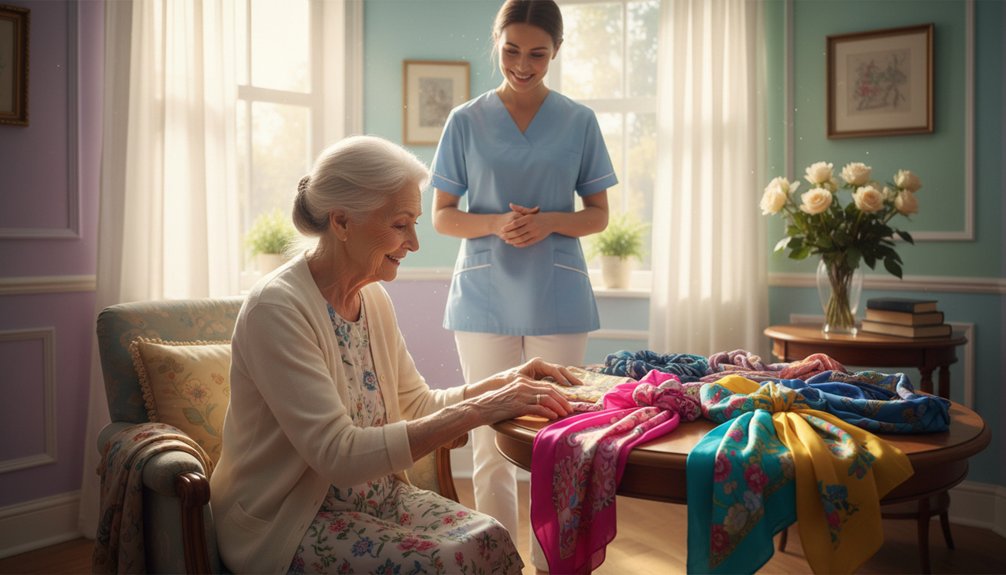
Virtual reality opens up a world of learning and new experiences for seniors like you. It boosts social connections by reducing loneliness and fosters friendships through shared activities. You can explore global destinations or enhance cognitive skills, all while having fun. VR encourages physical movement and helps manage chronic conditions through engaging activities. Imagine the possibilities! Discover how VR can enrich your life and transform your experiences, leading to exciting adventures and personal growth.
Key Takeaways
- VR enhances cognitive skills in seniors, improving memory, attention, and executive function through immersive learning experiences.
- Interactive VR simulations promote engagement, making learning enjoyable and effective for older adults.
- Virtual travel experiences allow seniors to explore new places, fostering emotional well-being and sparking cherished memories.
- VR activities encourage physical health by making exercise enjoyable, which can be especially beneficial for those with mobility issues.
- Group VR sessions enhance social connections, enriching the learning experience and combating feelings of isolation among seniors.
Boosting Social Connections With VR in a Virtual World
As loneliness increasingly affects older adults, especially those living alone, virtual reality (VR) offers a transformative solution to boost social connections.
With platforms like Rendever and Mynd Immersive, you can engage seniors in shared experiences, from virtual tours to group games. These interactive sessions foster friendships and create a sense of belonging, essential for enhancing mental health. Additionally, VR experiences can help reduce feelings of isolation, providing emotional support through shared activities. The use of music and movement in VR can further enhance the therapeutic effects, making the experience more engaging and enjoyable for participants.
Imagine hosting a trivia night or an exercise class that sparks joy and connection among participants. VR not only combats isolation but also promotes cognitive engagement, empowering older adults to share stories and memories.
Exploring Global Destinations Virtually for Seniors
Exploring global destinations virtually opens a world of wonder for seniors, allowing them to travel without leaving home.
With platforms like Mynd Immersive and Rendever, you can set off on adventures to iconic places like the Grand Canyon or experience the cherry blossoms in Kyoto.
Imagine kayaking through Antarctica or wandering the streets of Paris—all from your living room. Smart Assisted Living Solutions can enhance these experiences by providing necessary support while exploring.
Imagine exploring the serene waters of Antarctica or strolling through the charming streets of Paris—all from the comfort of home.
These immersive experiences not only overcome mobility barriers but also boost emotional well-being and spark cherished memories, as immersive, sensory-rich experiences enhance emotional well-being and alleviate loneliness.
User-friendly VR headsets make setup simple, and caregivers can assist to guarantee comfort.
Group sessions foster connections, letting you share these journeys with loved ones.
Virtual travel enriches lives, creating opportunities for joy, exploration, and meaningful conversations.
Enhancing Cognitive Skills With Virtual Reality
Virtual reality (VR) offers an innovative way to enhance cognitive skills, especially for seniors facing cognitive decline. By engaging in immersive experiences, you can improve attention, memory, and executive function.
Studies show that VR training leads to significant boosts in these areas, with improvements in short-term memory and sustained attention. Unlike traditional cognitive training, VR provides real-time feedback and adapts to your abilities, making learning both fun and motivating. This tailored approach not only enhances cognitive function but also uplifts overall well-being. As you navigate realistic environments, you’ll practice valuable skills in an engaging manner.
Ultimately, VR can be a powerful tool to support cognitive health and enrich the lives of seniors, as it is associated with enhanced neuroplasticity that facilitates structural brain changes.
Get Moving: How VR Activities Boost Physical Health
Engaging in virtual reality not only sharpens cognitive skills but also offers exciting opportunities to boost physical health. By immersing yourself in VR environments like beaches or forests, you can redirect your attention from chronic pain, providing significant relief, especially for those dealing with arthritis or neuropathy. VR transforms physical therapy into interactive games, making recovery from surgery or injury more engaging and motivating. Dance and rhythm-based VR activities enhance cardiovascular health and flexibility while promoting balance and fall prevention. These immersive experiences help improve mobility and strength, all from the comfort of home. With VR, you can enjoy safe, competitive sports simulations that encourage physical activity, making it easier to maintain a healthy lifestyle. Additionally, VR exergames provide a multisensory and interactive environment that helps overcome the boredom of traditional exercise.
Transforming Seniors’ Learning Experiences With VR
As you immerse yourself in the world of virtual reality, you’ll discover how it can transform learning experiences for seniors.
VR notably enhances memory, attention, and processing speed, making it an effective tool for cognitive training. Studies show that older adults can improve their overall accuracy by nearly 9% when learning new information in VR. This immersive technology also boosts motivation and engagement, turning cognitive activities into enjoyable experiences. By simulating daily tasks and providing real-time feedback, VR fosters adherence to training programs. Additionally, it enhances social connections, promoting emotional well-being. With VR, seniors can create detailed mental maps, retaining knowledge up to 75% better than traditional methods, paving the way for lifelong learning and growth. Furthermore, social interaction through supervised VR experiences significantly impacts overall well-being, enriching the learning process for seniors.
Frequently Asked Questions
How Does VR Therapy Reduce the Need for Pain Medications in Seniors?
VR therapy reduces your need for pain medications by providing immersive distraction, promoting relaxation, and engaging your senses, all of which help manage pain naturally while empowering you to take control of your well-being.
Can VR Experiences Improve Emotional Well-Being for Seniors Living Alone?
Yes, VR experiences can greatly improve emotional well-being for seniors living alone. They provide engaging interactions, evoke positive memories, and reduce feelings of isolation, fostering a sense of community and enhancing overall happiness.
What Are the Safety Measures for Seniors Using VR Technology?
You’ll find safety measures include trained clinicians supervising sessions, adjustable headsets for comfort, and intuitive interfaces. Controlled settings let you practice challenging tasks while minimizing risks, ensuring a secure and supportive experience for seniors.
How Can Caregivers Support Seniors in Using VR Effectively?
Caregivers can support seniors by guiding them through VR sessions, ensuring comfort, and adjusting activities based on reactions. Encourage exploration, share experiences, and foster conversations to enhance engagement and emotional connection during each session.
Are There Specific VR Programs Tailored for Seniors With Memory Issues?
Yes, there are tailored VR programs for seniors with memory issues, like AFA’s Dementia Experience and Labyrinth-VR. These immersive experiences help enhance memory, improve mood, and foster social connections, making a positive impact on their lives.
 By sitemanagerwpmanagerio
 By start