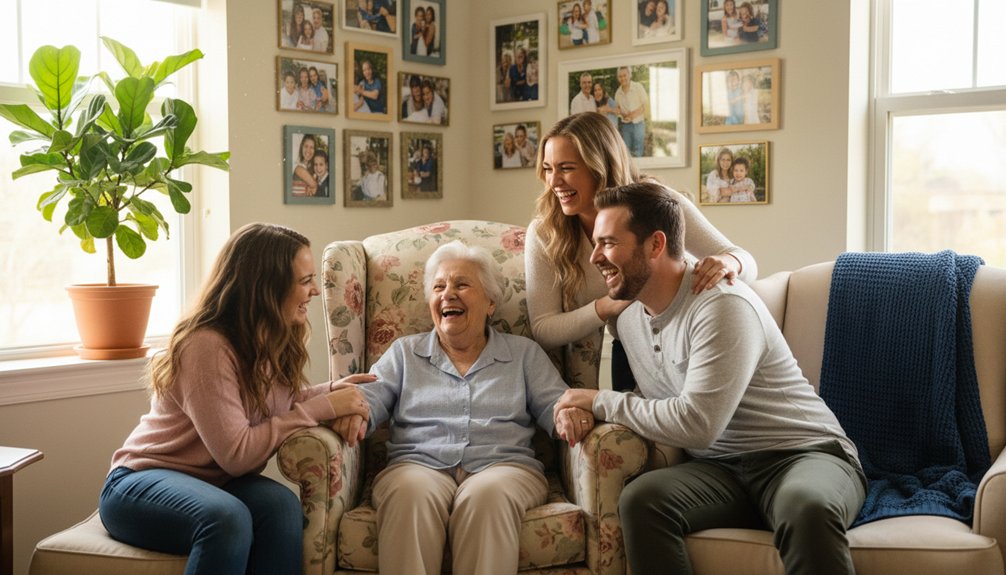
When exploring assisted living options for older adults, it’s important to recognize how these communities focus on enhancing comfort, safety, and support. Here are some key considerations and features that can help you make an informed decision:
- Personalized Care Plans: Many senior living communities develop tailored care plans that address the specific needs and preferences of each resident. This ensures that older adults receive the appropriate level of support while maintaining their independence.
- Safety Protocols: Enhanced safety measures, such as emergency response systems, secure entrances, and regular health monitoring, are often implemented to create a secure environment for residents.
- Emotional Well-Being: A strong emphasis on emotional health is vital. Communities may offer programs and activities designed to promote social engagement and foster relationships among residents, contributing to a sense of belonging.
- Community Engagement: Assisted living environments typically encourage participation in group activities, events, and social gatherings, which can help residents build connections and improve their overall quality of life.
- Variety of Services: The range of services provided can vary significantly among different communities. It’s essential to inquire about available care options, amenities, staffing levels, transportation, and medical support to ensure the community aligns with your needs.
- Questions to Consider: When researching, it may be helpful to ask questions such as:
- What types of care and assistance are available?
- How does the community support residents in maintaining their independence?
- What are the safety measures in place?
- How are social activities organized?
By understanding these aspects of assisted living, you can better assess how these environments may positively impact the lives of seniors and their families.
Key Takeaways
- Personalized care plans are designed to meet the unique health needs of each resident, providing tailored support for daily living activities while promoting independence and self-sufficiency.
- Many senior living communities implement enhanced safety measures, such as grab bars and non-slip flooring, which can significantly reduce the risk of falls and contribute to a safer living environment.
- Regular social engagement is often a key component of life in a senior living community. Group activities and shared dining experiences can help reduce feelings of loneliness and improve the emotional well-being of older adults.
- Thoughtfully designed living spaces that incorporate personal belongings and household-style layouts create a comfortable and familiar atmosphere for residents, helping them feel at home.
- Open communication with families and active participation in care planning can foster trust and empower residents, enhancing their overall quality of life. It is important to understand how a community approaches family involvement in care decisions.
Enhanced Safety and Health Monitoring
When exploring options for assisted living for seniors, understanding the role of enhanced safety and health monitoring is essential for improving quality of life. Safety is often a primary concern, especially given that a notable percentage of residents may experience falls, which can result in injuries and hospital visits.
Understanding enhanced safety and health monitoring is crucial for improving the quality of life in assisted living communities.
Many senior living communities implement immediate staff response protocols and maintain continuous observation to detect early warning signs of health decline. For example, sudden changes in alertness or mobility can be monitored closely. Caregivers may utilize tools like the STOP and WATCH method to identify concerning behaviors, facilitating timely intervention when needed. Additionally, caregivers monitor safety and assist with personal needs, ensuring that residents receive the necessary support for their daily activities and overall well-being. Facilities like Commonwealth House provide personalized care plans to address individual health needs, further enhancing safety.
Additionally, advanced technology for monitoring vital signs and access to telehealth services can provide thorough support, helping ensure that residents aren’t just safe but also able to thrive in their living environment.
When considering a senior living community, it may be helpful to ask about the following:
- The specific safety and monitoring protocols in place
- Staff training related to health observation and intervention
- The availability of technology used for health monitoring
- Access to telehealth services for medical consultations
These considerations can help you make an informed decision about care options that best meet the needs of your loved one.
Personalized Support With Daily Living
Personalized support with daily living is a key aspect of assisted living that significantly affects the well-being and independence of older adults. This support encompasses help with essential activities such as bathing, grooming, dressing, and toileting, and is tailored to meet individual needs and comfort levels. Residents typically receive a personalized care plan created through comprehensive assessments, ensuring their preferences and values shape their daily routines. Moreover, residents benefit from access to medical advice, ensuring their health needs are promptly addressed.
Caregivers in these settings aim to promote autonomy by encouraging residents to carry out tasks independently whenever possible, while still providing the necessary support. Maintaining dignity and privacy is prioritized, particularly during personal care routines. A respectful and understanding environment is cultivated, which can enhance the quality of life for seniors, allowing them to feel comfortable, safe, and genuinely supported in their daily activities. Person-centred care (PCC) approaches ensure that care is aligned with the unique stories and preferences of each resident.
When exploring senior living options, consider the following factors:
- Personalized Care Plans: Inquire about how care plans are developed and tailored to individual needs.
- Staff Training: Ask about the qualifications and training of caregivers to ensure they’re equipped to provide high-quality support.
- Promoting Independence: Understand how the community encourages residents to engage in daily tasks on their own.
- Dignity and Privacy: Evaluate how the community prioritizes residents’ dignity and privacy during personal care activities.
- Community Environment: Consider the overall atmosphere of the community and how it supports a respectful and understanding culture.
Promoting Social Engagement and Reducing Isolation
Social engagement is crucial for the well-being of seniors, as it significantly affects their mental health and overall quality of life. In a senior living community, regular participation in group activities—such as exercise classes and movie nights—can foster connections among residents and help reduce feelings of loneliness. Social connections are vital in memory care communities, illustrating the importance of fostering relationships in any assisted living setting. Scheduled events encourage ongoing, meaningful interactions, which may lead to increased life satisfaction and decreased levels of depression. Communal dining also provides daily opportunities for social contact, enhancing relationships between residents and staff. Additionally, shared meals create a relaxed atmosphere that promotes social bonding among residents.
Thoughtfully designed common spaces can promote casual interactions, further addressing the issue of isolation. Prioritizing social engagement can help create a supportive environment where seniors can thrive emotionally and mentally, which may contribute to maintaining cognitive function and overall happiness.
When researching senior living options, consider the variety of activities and social opportunities available within the community. Here are key factors to think about:
- Types of Activities: Look for communities that offer a range of group activities, such as arts and crafts, exercise, and social events.
- Dining Options: Assess whether communal dining is a part of the community, as this can facilitate daily social interactions.
- Common Areas: Evaluate the design of common spaces. Comfortable and inviting areas can encourage residents to engage with one another.
- Staff Engagement: Consider how staff members interact with residents, as supportive staff can enhance the community experience.
Your involvement in exploring these aspects can contribute to better outcomes for seniors, helping to ensure that they’ve opportunities for social interaction and connection in their new home.
Creating a Home-Like Environment
Creating a home-like environment is crucial for seniors, as it can significantly improve their sense of comfort and belonging, ultimately enhancing their quality of life. Here are some important considerations for those researching senior living options for themselves or a loved one:
- Personal Touch: Look for communities that incorporate warm colors and personal items in their décor. Familiar surroundings can create a welcoming atmosphere that helps residents feel at home. Commonwealth House, for instance, emphasizes a family-like atmosphere that fosters connection among residents and staff.
- Layout and Space: Consider communities that offer household-style layouts with shared areas for socialization, as well as private rooms where residents can personalize their space. This balance helps maintain individual identity while fostering a sense of community.
- Safety Features: It’s important to inquire about safety measures such as grab bars, non-slip flooring, and other modifications that ensure mobility and reduce the risk of falls. These elements are essential for providing a secure living environment, as poor design can lead to decreased physical activity.
- Access to Nature: Communities that offer easy access to outdoor spaces can enhance relaxation and well-being. Being close to nature can positively impact the overall mood and health of residents.
When evaluating different senior living communities, it’s helpful to ask specific questions about these elements and how they’re integrated into daily life.
Remember that services and amenities can vary significantly, so it’s important to do thorough research and visit potential communities to ensure they align with the needs and preferences of the senior in question.
Fostering Emotional Well-Being and Mental Health
When exploring assisted living options for yourself or a loved one, it’s important to recognize how these communities can support emotional well-being and mental health. Assisted living typically provides avenues for social engagement through shared dining experiences and various activities, which can help reduce feelings of loneliness and isolation among residents. Engaging in recreational and therapeutic programs can enhance overall life satisfaction, while established routines may contribute to a sense of predictability, thereby alleviating anxiety. Many assisted living communities may also offer mental health screenings and access to counseling services to address emotional needs. This proactive approach can be particularly beneficial in managing challenges such as depression and anxiety, especially during transitional periods. Additionally, as India’s aging population continues to grow, the need for elderly care will become increasingly important. Caregivers play a vital role in providing personalized support to enhance the emotional well-being of residents.
When researching communities, consider the following factors:
- Social Opportunities: Look for communities that encourage social interaction through group activities and shared meals.
- Recreational Programs: Inquire about the availability of programs that promote physical and mental engagement.
- Mental Health Support: Ask whether the community provides mental health services, including screenings and counseling.
- Routine and Structure: Consider how daily schedules are organized, as predictable routines can be comforting.
- Staff Training: Verify if staff members are trained to recognize and support residents’ emotional and mental health needs.
These considerations can help ensure that you select a community that aligns with the emotional and mental health needs of residents.
Building Trust in Care and Family Peace of Mind
Building trust in a senior living community is crucial for both residents and their families, as it can provide reassurance during a significant transition. Here are some key considerations to help you understand how effective communication and involvement can foster peace of mind:
Building trust in senior living communities is essential for reassurance during significant transitions for residents and their families.
- Regular Updates: Communities often provide updates on health status and care plans, helping families stay informed about their loved ones’ well-being. Look for communities that prioritize consistent communication. Trustful partnerships lead to better meeting of residents’ needs. Additionally, families should be encouraged to participate in care plan meetings to stay informed about their loved ones’ adjustments and needs.
- Two-Way Communication: Open-door policies and feedback sessions encourage families to share their thoughts and concerns. This collaborative approach can enhance confidence in the care being provided.
- Multiple Communication Channels: Consider communities that utilize various methods for communication, such as phone calls, emails, and newsletters. This is especially important for families who may live far away.
- Incident Notification Procedures: Clear protocols for notifying families about any incidents or changes in care are essential. Understanding how a community handles these situations can build trust.
- Family Involvement: Engaging families in safety initiatives and care discussions can create a sense of partnership. When families feel included, it can lead to a greater sense of security regarding their loved ones’ care. Encouraging family participation in care planning can ease the transition for residents and foster a sense of independence.
These practices not only enhance trust but also contribute to a supportive environment where families can feel confident about the care their loved ones are receiving.
When exploring senior living options, consider how each community approaches communication and family involvement to ensure a good fit for your needs.
Structured Nutrition and Wellness Programs
Structured nutrition and wellness programs are vital components of quality care in senior living communities. These programs help ensure that residents receive regular, balanced meals crafted by nutrition professionals to combat the risk of malnutrition, which can impact a significant number of older adults in care settings.
Key elements of these programs often include:
- Balanced Meals: Meals typically emphasize proteins, whole grains, and healthy fats to support physical comfort and resilience. Additionally, meals are designed to be easy to chew and digest, taking into account the unique nutritional needs of seniors.
- Personalized Nutrition Counseling: Tailored nutrition advice and monitoring are important for implementing timely interventions, which can help mitigate the risk of severe malnutrition. Malnutrition affects 12-50% of hospitalized older adults, highlighting the importance of proper nutrition in these settings.
- Wellness Activities: Incorporating regular exercise can enhance energy levels and help maintain independence among seniors.
When evaluating senior living options, it’s essential to consider how communities approach nutrition and wellness. You might want to ask:
- What types of meals are offered, and how are they planned?
- Is there access to personalized nutrition counseling?
- What wellness activities are available to residents?
Understanding these aspects can help create a nurturing environment that fosters safety and support for older adults in assisted living.
Encouraging Independence and Autonomy
Encouraging independence and autonomy in assisted living is crucial for promoting well-being among seniors, as it helps them maintain control over their daily lives.
Here are some key considerations for families and caregivers when exploring senior living options:
- Choice in Daily Routines: Look for communities that allow residents to make decisions about their daily schedules, including when to wake up, eat, and engage in social activities. This autonomy can significantly enhance their satisfaction and mental health.
- Support for Daily Living Activities: Many communities offer assistance with activities of daily living, such as dressing and bathing. It’s important to find a setting that encourages residents to perform these tasks independently while ensuring their safety. Personalized care plans help to adapt support based on individual needs and goals. Additionally, a favorable resident-to-staff ratio ensures that residents receive attention tailored to their personal preferences.
- Involvement in Care Planning: A community that involves residents in their care planning and decision-making can help reinforce their sense of control. Ask about how residents are included in discussions about their care and preferences.
- Flexible Activity Options: Consider communities that provide a variety of activities and social opportunities. This flexibility allows residents to choose how they wish to engage, which nurtures their autonomy and personal interests.
- Empowerment and Satisfaction: When seniors feel empowered in their living environment, it often leads to increased life satisfaction and overall well-being.
Ultimately, as you research different senior living communities, focus on how each option supports independence and fosters a sense of belonging and respect for residents.
Frequently Asked Questions
What Are the Costs Associated With Assisted Living Communities?
The costs associated with assisted living communities typically range from $5,400 to $6,300 per month. This base fee usually covers essential services such as housing, meals, housekeeping, basic utilities, and social activities.
However, it’s important to be aware that additional charges may apply depending on the level of care required, the size of the room, or specific services like medication management.
When considering assisted living options, it can be beneficial to factor in these potential extra costs to ensure you’re fully prepared for the overall expenses involved.
Here are some points to keep in mind:
- Care Levels: Different communities may offer various levels of care, which can impact the monthly fee.
- Room Size: Larger accommodations often come with a higher price tag.
- Additional Services: Services such as transportation, personal care, or specialized medical support may incur extra fees.
- Comparing Communities: Since services and amenities can vary by provider, it’s advisable to visit multiple communities and ask detailed questions about their offerings and pricing structures.
Being informed about these aspects will help you or your loved one make a more confident decision regarding the right assisted living community.
How Do I Choose the Right Assisted Living Facility?
Choosing the right assisted living community is an important decision that involves several thoughtful steps:
- Assess Needs: Begin by identifying the specific care requirements of the older adult. Consider factors such as mobility assistance, medication management, and any special health considerations.
- Visit Communities: Take the time to tour several senior living communities. Visiting at different times can provide insights into daily operations, staff interactions, and the overall cleanliness of the environment.
- Check Credentials: It’s essential to verify the licenses of the communities you’re considering. Additionally, reviewing inspection histories can give you a better understanding of the quality of care and services offered.
- Understand Costs: Request a detailed breakdown of fees associated with each community. Be sure to clarify what services are included in these costs, as this can vary significantly between providers.
- Seek Feedback: Engaging with current residents and their families can offer valuable perspectives on the quality of life and satisfaction within the community. Their experiences can help inform your decision.
What Types of Activities Are Offered in Assisted Living?
Assisted living communities often provide a range of activities aimed at fostering social engagement, physical fitness, and mental stimulation for their residents. These activities can significantly contribute to a fulfilling lifestyle and community connection.
Common offerings may include:
- Social Events: Residents can participate in group gatherings such as holiday celebrations, themed parties, and game nights, which encourage interaction and friendship among residents.
- Exercise Programs: Physical wellness is supported through various exercise options, including chair yoga, water aerobics, and walking clubs, which are tailored to accommodate different mobility levels.
- Creative Workshops: Opportunities for artistic expression are available through painting, crafting, and writing workshops, allowing residents to explore their creativity and share their talents.
- Educational Classes: Many communities offer classes on topics such as computer skills, local history, and other subjects that can enhance knowledge and cognitive engagement.
When researching assisted living options, it’s important to consider the specific activities available, as offerings can vary significantly from one community to another.
Asking about the types of social, physical, and creative activities provided can help determine which community aligns best with the interests and needs of you or your loved one.
Can Residents Personalize Their Living Spaces?
Yes, residents can personalize their living spaces in assisted living communities. It’s common for residents to bring their own furniture, cherished decorations, and meaningful items, provided they comply with safety guidelines. This opportunity for customization helps to create a more home-like atmosphere, which can significantly enhance a resident’s sense of identity and comfort.
Although structural changes to the living space may be limited, residents are often encouraged to arrange their belongings in a way that reflects their personal style. This aspect of personalization can contribute positively to their emotional well-being.
When considering a senior living community, it’s important to inquire about the specific policies regarding personal items. Different communities may have varying guidelines, so understanding these policies can help ensure that residents can create a space that feels like home.
What Are the Visitation Policies for Families and Friends?
Visitation policies for families and friends in senior living communities typically allow visits from late morning to evening, often between 9 a.m. and 9 p.m.
It’s usually necessary to check in upon arrival, and some communities may limit group sizes to help maintain a calm and peaceful environment for all residents.
During times of health outbreaks, social visits may be restricted to protect the well-being of residents and staff. Visitors may be required to undergo screening for symptoms, and practicing good hand hygiene is often emphasized.
Visits can generally occur in designated areas within the community, which may include outdoor spaces when the weather allows.
It’s always advisable to confirm specific visitation policies with the community you’re considering, as regulations and guidelines can vary.

 By start