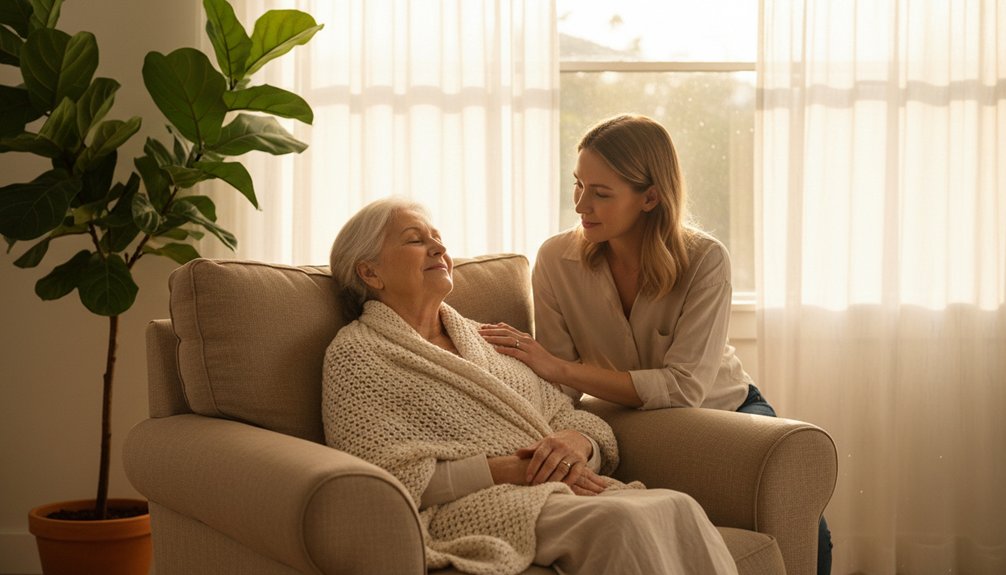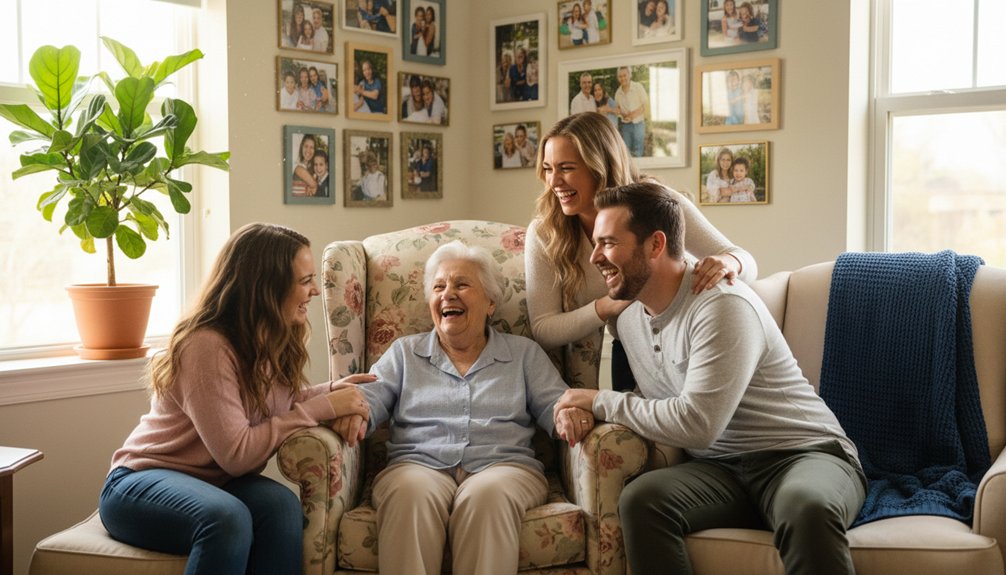
When researching smaller senior living communities, it’s important to recognize the role that personal attention can play in enhancing the quality of life for residents. In these settings, with fewer residents, caregivers can dedicate more time to understanding and addressing individual needs. This personalized approach often leads to stronger relationships among staff and residents, fostering a sense of community and belonging.
Such intimate environments can mitigate feelings of isolation, which is especially important for emotional well-being. The close-knit nature of smaller communities can provide supportive interactions that contribute positively to daily experiences for seniors.
As you consider options for yourself or a loved one, reflect on the following factors:
- Caregiver-to-Resident Ratio: Smaller communities often have a lower ratio, allowing for more individualized attention.
- Personalized Care Plans: Look for communities that develop tailored care plans based on residents’ unique needs and preferences.
- Community Atmosphere: Consider how the size of the community impacts social interactions and emotional connections among residents and staff.
- Activities and Engagement: Explore the range of activities offered and how they encourage participation and socialization.
- Staff Training: Inquire about the training and experience of caregivers, as this can influence the quality of care provided.
Understanding these considerations can help you make an informed decision about the type of senior living environment that may best suit the needs of you or your loved one.
Key Takeaways
- Smaller senior living homes often create intimate environments that can enhance residents’ quality of life. These settings typically foster deeper connections between residents and staff, contributing to a supportive community atmosphere.
- In smaller communities, a higher staff-to-resident ratio can lead to more personalized care. This often results in better health outcomes, as caregivers are able to focus more on individual needs and preferences.
- Personalized attention in these environments supports residents’ dignity and autonomy. Older adults are often encouraged to participate actively in their own care decisions, which can enhance their sense of control and well-being.
- Smaller care settings may help reduce feelings of isolation among residents. They encourage meaningful social interactions, which can be beneficial for emotional health and overall satisfaction in the living environment.
- Consistency in care is another advantage of smaller homes, as longer staff tenure can contribute to stability and familiarity. This often leads to an overall improvement in the quality of care provided, which is crucial for resident satisfaction.
Enhanced Resident Satisfaction in Smaller Facilities
When exploring senior living options, it’s important to consider how the size of a community can influence resident satisfaction. Studies indicate that smaller homes, typically with fewer than 40 residents, often receive higher satisfaction ratings compared to larger settings. This is largely due to nursing home size being a critical predictor of resident satisfaction.
These intimate environments are designed to create a homelike atmosphere, which can enhance the quality of life for older adults and may help alleviate feelings of anxiety. Additionally, communities like Commonwealth House Assisted Living are recognized for their 5-Star Resident & Family Satisfaction ratings, highlighting their commitment to quality care.
In smaller senior living communities, residents often experience more meaningful social interactions. This can reduce feelings of isolation and foster deeper connections with both peers and staff members.
By choosing a smaller, more intimate setting, families aren’t just selecting a place for their loved ones to live; they’re opting for a nurturing community that supports engagement and well-being.
When researching senior living options, consider the following factors:
- Community Size: Smaller communities may offer a more personal experience, fostering relationships and a sense of belonging.
- Social Opportunities: Look for communities that promote social activities and encourage interaction among residents.
- Atmosphere: A homelike environment can significantly impact comfort levels and overall satisfaction.
- Staff Interaction: Smaller settings may allow for more consistent and personalized interactions with staff.
Importance of Staff-to-Resident Ratios
The staff-to-resident ratio in senior living communities is an important factor to consider when researching care options for yourself or a loved one. This ratio significantly impacts the safety and well-being of residents. Generally, higher staff-to-resident ratios allow for more direct care, which can lead to better health outcomes, including a reduction in falls.
The staff-to-resident ratio is crucial for ensuring safety and well-being in senior living communities.
For example, research indicates that each additional hour of care provided by a registered nurse can lower the incidence of falls by nearly 40%. In fact, the study found that some facilities have staffing ratios as low as 8-to-1, which can contribute to challenges in resident care. Active family involvement also plays a crucial role in enhancing the overall well-being of residents, highlighting the importance of quality care in smaller settings.
When evaluating communities, consider how staffing levels contribute to a calming and supportive environment, particularly for residents with dementia. More available staff often means less agitation among residents and improved engagement in daily activities. Additionally, communities with better staffing may correlate with higher family satisfaction and a reduced risk of neglect or abuse.
Here are some practical considerations when assessing staff-to-resident ratios:
- Ask about staffing levels: Inquire how many staff members are available during different times of the day and night.
- Staff qualifications: Understand the qualifications and training of the staff, especially for specialized care needs.
- Types of care provided: Different communities may offer various levels of care, so it’s important to know what services are available.
- Family satisfaction: Look for feedback or reviews from families regarding their experiences with staff interactions and care quality.
Relationship-Centered Care and Its Benefits
When exploring senior living communities, it’s important to understand relationship-centered care (RCC) and how it can influence your decision. RCC emphasizes the importance of fostering meaningful relationships between residents, care staff, and families, moving away from a sole focus on tasks and medical diagnoses. This approach helps create a nurturing environment where respect, trust, and inclusivity thrive, making the community feel more like home.
Here are some benefits of relationship-centered care to consider:
- Enhanced Autonomy: Residents are encouraged to take part in their own care decisions, which can help maintain their independence and sense of self. Additionally, this personalized care approach allows for customized care plans that adapt to individual needs and changing conditions.
- Emotional Connections: By receiving personalized support and sharing experiences, residents can forge strong bonds that contribute to emotional well-being and security.
- Improved Health Outcomes: When residents develop stable, trusting relationships with caregivers, they often experience better management of health conditions and a reduction in feelings of depression. Additionally, understanding RCC elements aids policymakers and practitioners in improving care experiences and outcomes.
When researching different communities, consider asking about their approach to relationship-centered care and how it’s implemented. It’s important to understand how the community fosters connections among residents, staff, and families, as well as the specific services and support they provide to encourage a sense of belonging and well-being.
Quality of Life and Emotional Well-Being
Quality of life and emotional well-being are important considerations when exploring senior living communities for yourself or a loved one. These factors significantly affect residents’ happiness and overall satisfaction.
In smaller communities, residents often experience greater emotional security, which can lead to lower levels of anxiety, agitation, and depression. Research suggests that these environments typically foster stronger social connections and allow for more personalized attention, which can align closely with individual needs. This emphasis on tailored support promotes a sense of dignity and autonomy, enabling residents to thrive. Frequent interactions with staff and peers in smaller homes can create a nurturing atmosphere that encourages engagement and joy. In addition, the small house model promotes a residential ambiance that enhances residents’ sense of belonging and societal value. At Commonwealth House, the resident-to-staff ratio of 5:1 ensures that each individual receives the attention they deserve, further contributing to their emotional well-being.
When assessing senior living options, consider how the community prioritizes emotional well-being and what types of social activities and support services are available.
Ultimately, selecting a smaller senior living home can enhance emotional well-being, helping to ensure that older adults feel safe, secure, and valued. As you research different communities, keep in mind factors such as:
- The community’s size and layout
- Opportunities for social engagement
- The level of personalized care provided
- Staff-to-resident ratios
- Types of activities and programs offered
The Role of Environment in Smaller Homes
When exploring senior living options, the environment in smaller homes can significantly impact the well-being of residents. Smaller, homelike units often enhance the quality of care and provide social stimulation, particularly for older adults living with dementia. In these settings, shared spaces such as kitchens and living areas encourage residents to engage in daily activities, fostering connections and reducing feelings of isolation. The design of these homes typically incorporates familiar décor and personal belongings, creating a comforting atmosphere that can improve overall quality of life. Moreover, smaller environments often reduce sensory overload, helping to lower anxiety and agitation, which can lead to more positive interactions among residents. Additionally, a favorable resident-to-staff ratio of 5:1 enhances personalized attention, viewing choice as a pathway to dignity and self-reliance.
Research indicates that the quality of life in innovative housing arrangements can be enhanced through thoughtful design and supportive environments. When considering a senior living community, keep in mind the following factors related to the environment:
- Size of the Community: Smaller homes may offer a more intimate setting that supports personalized care.
- Common Areas: Look for communities with shared spaces that promote social interaction and activity.
- Aesthetics: Consider how the design and décor can create a homelike feel.
- Sensory Considerations: Smaller environments may help reduce anxiety by minimizing overwhelming stimuli.
Ultimately, the thoughtful design of these spaces can nurture an environment where older adults can thrive with dignity, comfort, and a sense of belonging.
Building Trust With Families and Residents
Building trust with families and residents in senior living communities is crucial for creating a supportive and nurturing environment. Effective communication is a key component in this process. When communities provide clear expectations and respond promptly to concerns, families feel valued and respected.
Encouraging feedback through surveys and resident councils is another way to enhance collaboration. This approach allows families and residents to actively participate in care decisions, fostering a sense of involvement and community. Importantly, the effectiveness of these councils is often influenced by administrative support, which helps ensure that resident and family voices are heard in decision-making. Family councils can also help advocate for better care, ensuring that the needs of residents are prioritized.
Understanding each resident’s personal history through relationship-centered care can significantly improve their emotional well-being. This practice not only helps staff connect with residents but also strengthens the bond between families and caregivers.
It is important for communities to be transparent about their care capabilities and costs from the beginning. This transparency helps set realistic expectations and minimizes misunderstandings, allowing families to make informed decisions about their loved ones’ care.
Adopting these practices lays the groundwork for trust, ensuring that families feel secure in the care and well-being of their loved ones.
Consistency in Care and Staff Stability
Consistency in care and staff stability are essential factors to consider when researching senior living options for yourself or a loved one. These elements play a significant role in the quality of support provided within senior living communities, directly influencing residents’ well-being and health outcomes.
When staff members remain in their positions for longer periods, the quality of care can often improve. Lower turnover rates among caregivers generally lead to fewer issues such as pressure ulcers and medication errors, contributing to better overall health for residents. Research indicates that PC staff attitudes impact the quality of resident care, highlighting the importance of stable staffing.
Stable staffing allows caregivers to develop familiarity with residents, which in turn fosters meaningful relationships. This continuity is especially important for seniors with dementia or behavioral symptoms, as it enhances the ability to provide personalized care. Caregivers ensure residents feel valued and cared for, creating an environment that promotes trust and emotional well-being.
Additionally, when caregivers consistently work with the same residents, they’re more likely to notice subtle changes in health, enabling timely and appropriate interventions. This vigilance in monitoring health aspects is crucial for maintaining the overall wellness of residents.
A stable care environment not only supports the physical health of older adults but also enriches their emotional and social experiences.
When evaluating senior living options, consider asking about staff turnover rates and the community’s approach to fostering staff stability, as these factors can significantly impact the quality of care and the overall experience for residents.
Personalized Care Plans for Individual Needs
Creating personalized care plans that are tailored to the unique needs of each resident is a fundamental aspect of senior living communities. This approach ensures that older adults receive the appropriate attention and support that aligns with their personal preferences and life goals. Personalised care planning can lead to improvements in physical health indicators as well as psychological well-being, which is crucial for the overall quality of life for seniors. Regular assessments help ensure that care strategies are aligned with changing health conditions and goals.
To develop an effective care plan, it’s important to begin with a comprehensive assessment of the resident’s medical history, functional abilities, psychological health, and social connections. This information allows caregivers to create a plan that truly reflects the individual’s priorities.
It is equally important to regularly review and adjust these care plans to accommodate any changes in the resident’s needs or capabilities. This ongoing process helps create a supportive environment that can adapt as circumstances evolve. Collaboration with family and healthcare providers enhances this adaptability and ensures that the care plan is comprehensive.
Goal-oriented care plans can enhance daily experiences for residents, contributing to improved confidence and self-management skills. Effective collaboration among caregivers and healthcare providers is crucial to ensure that all aspects of a resident’s care are well-coordinated, thorough, and focused on their overall well-being.
When exploring senior living options, consider asking the following questions to understand how personalized care plans are implemented:
- What’s the process for assessing individual needs?
- How often are care plans reviewed and updated?
- What types of goals are typically set in care plans?
- How does the community ensure coordination among caregivers and healthcare providers?
Understanding these factors can help you make an informed decision about the care options available for yourself or a loved one.
The Impact of Social Contacts on Daily Life
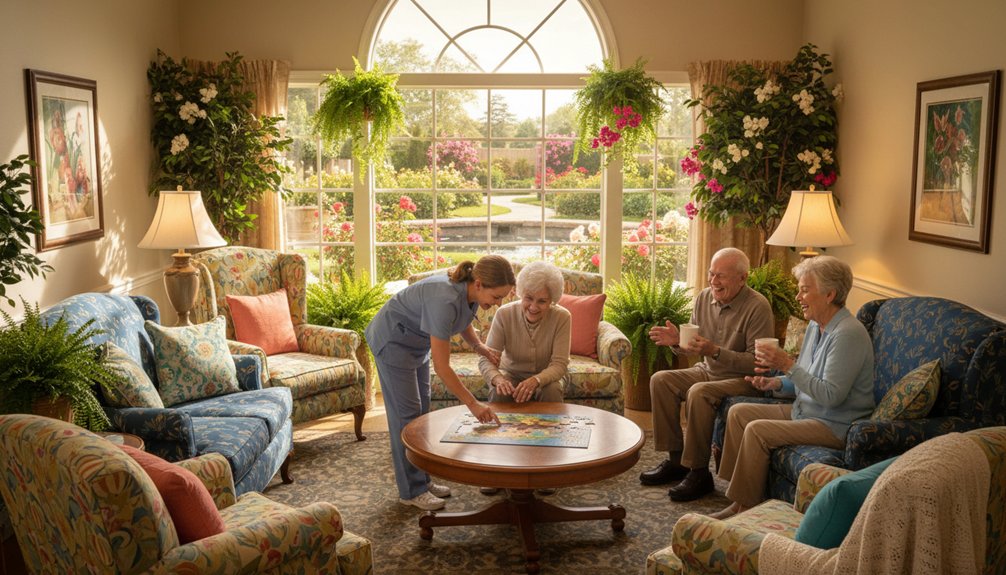
Social connections are vital for daily life, especially for older adults residing in senior living communities. Regular engagement with others can significantly reduce the risk of health issues such as cardiovascular disease and diabetes, which can affect daily activities. By nurturing social ties, residents can also promote cognitive health, lowering the risk of dementia and enhancing memory and judgment. Furthermore, addressing loneliness and social isolation is crucial, as these factors are linked to increased mortality risk among older adults. Maintaining friendships is important for emotional well-being, as it can help alleviate feelings of loneliness that may lead to depression. Participating in organized activities or community events can’t only enhance mood but also encourage mobility and independence among seniors. When considering a senior living community, it’s essential to evaluate how the environment supports social interactions. A community that fosters connections can greatly improve the quality of life for its residents, ensuring that individuals don’t face isolation.
Creative arts and hands-on hobbies, such as gardening and bird-watching, are excellent ways to engage residents in meaningful social interactions.
Here are some factors to consider when researching options:
- Social Activities: Inquire about the types of organized activities available and how often they occur.
- Community Engagement: Look for communities that encourage resident participation and interaction.
- Support Services: Understand the services offered that facilitate social connections, such as transportation for outings or group events.
- Staffing and Support: Check the level of staff support in organizing social activities and assisting residents in participating.
Frequently Asked Questions
How Can Families Participate in Care Decisions for Residents?
Families can play a crucial role in the care decisions for residents in a senior living community. Here are some ways to actively participate:
- Engage in Care Conferences: Regular meetings with care teams can provide families with insights into their loved ones’ needs and preferences. These discussions are an opportunity to share any observations or concerns.
- Share Personal Histories: Understanding a resident’s background, interests, and routines can help staff create a more personalized care plan. Families are encouraged to provide information that reflects their loved one’s values and lifestyle.
- Advocate for Preferences: Families should feel empowered to speak up about their loved one’s wishes regarding care. This advocacy can help ensure that the care provided aligns with the resident’s desires and enhances their quality of life.
- Maintain Open Communication: Keeping lines of communication open with staff is essential. Families should regularly provide updates on any changes in health or needs, which can impact care decisions.
- Collaborate with Care Teams: Working together with caregivers and healthcare professionals helps create a comprehensive care plan. This collaboration ensures that all aspects of a resident’s well-being are considered.
Your involvement as a family member is vital for ensuring that care isn’t only effective but also tailored to the individual needs of the resident.
What Training Do Staff Receive for Personalized Care?
Staff members in senior living communities receive comprehensive training to ensure they can meet the unique needs of residents. This training typically covers several key areas:
- Core Training: Staff learn foundational skills such as personal care, safety protocols, and health monitoring to provide a safe and supportive environment.
- Dementia Care: Specialized training is often provided for staff to understand Alzheimer’s disease and effective communication strategies, which are crucial for interacting with residents experiencing cognitive decline.
- Daily Living Skills: Techniques for assisting residents with daily activities, including meal preparation and mobility support, as well as fall prevention strategies, are emphasized to enhance residents’ independence and safety.
- Emergency Preparedness: Training includes protocols for managing medical emergencies and conducting safe evacuations, ensuring staff are equipped to handle unexpected situations calmly and effectively.
By focusing on these training areas, staff can offer compassionate, individualized support tailored to the needs of each resident.
When researching senior living options, it may be beneficial to ask about the specific training programs that staff undergo, as this can impact the quality of care and support your loved one will receive.
How Are Emergencies Handled in Smaller Facilities?
In senior living communities, emergencies are addressed with well-defined protocols and staff who are trained to respond effectively. Here’s what you can typically expect:
- Staff members are familiar with the community’s emergency plans, allowing for prompt and coordinated action during a crisis.
- Regular drills are conducted to prepare everyone for various situations, such as fire evacuations or severe weather events.
- Emergency plans prioritize the safety of residents, staff, and personal belongings, ensuring that everyone is taken care of during unexpected situations.
- Many communities keep essential supplies on hand to support residents for at least 72 hours in case of a shelter-in-place situation.
Understanding how a senior living community prepares for emergencies can help you assess the safety and well-being of potential living arrangements for yourself or a loved one.
What Activities Promote Social Interaction Among Residents?
Activities that can enhance social interaction among residents in senior living communities include:
- Group Exercise Classes: These classes not only promote physical health but also foster camaraderie among participants, helping to alleviate feelings of loneliness.
- Shared Meals: Dining together is a powerful way to spark conversations and build meaningful connections among residents.
- Hobby Clubs: Joining clubs centered around shared interests allows residents to bond over common passions, creating friendships and a sense of belonging.
- Social Gatherings and Events: Regularly scheduled entertainment and educational programs can strengthen community ties and enhance the overall social experience.
Engaging in these activities may help residents feel more valued, connected, and fulfilled in their social lives.
When exploring care options for yourself or a loved one, consider asking about the availability and variety of such activities, as they can significantly impact the quality of life in a senior living community.
How Is Feedback From Residents and Families Incorporated?
Feedback from residents and families is integral to shaping the care experience in senior living communities. This input is often gathered through structured satisfaction surveys and informal check-ins, which help identify real-time concerns and preferences.
Regular “pulse check” surveys are conducted to ensure that the voices of residents and their families are heard. This feedback is crucial for developing personalized care plans that address individual needs. Families are typically involved in care plan reviews, which helps align the care provided with their expectations and desires.
This ongoing communication fosters an environment of continuous quality improvement, where the community can adapt to the preferences of residents and enhance overall satisfaction in daily living.
Engaging families in this dialogue not only supports transparency but also builds a partnership in care, ensuring that residents feel valued and understood.
 By start